
Why Is the ATX Crypto Price Different Across Platforms? Project ATX (ATX) Explained

 Prefer us on Google
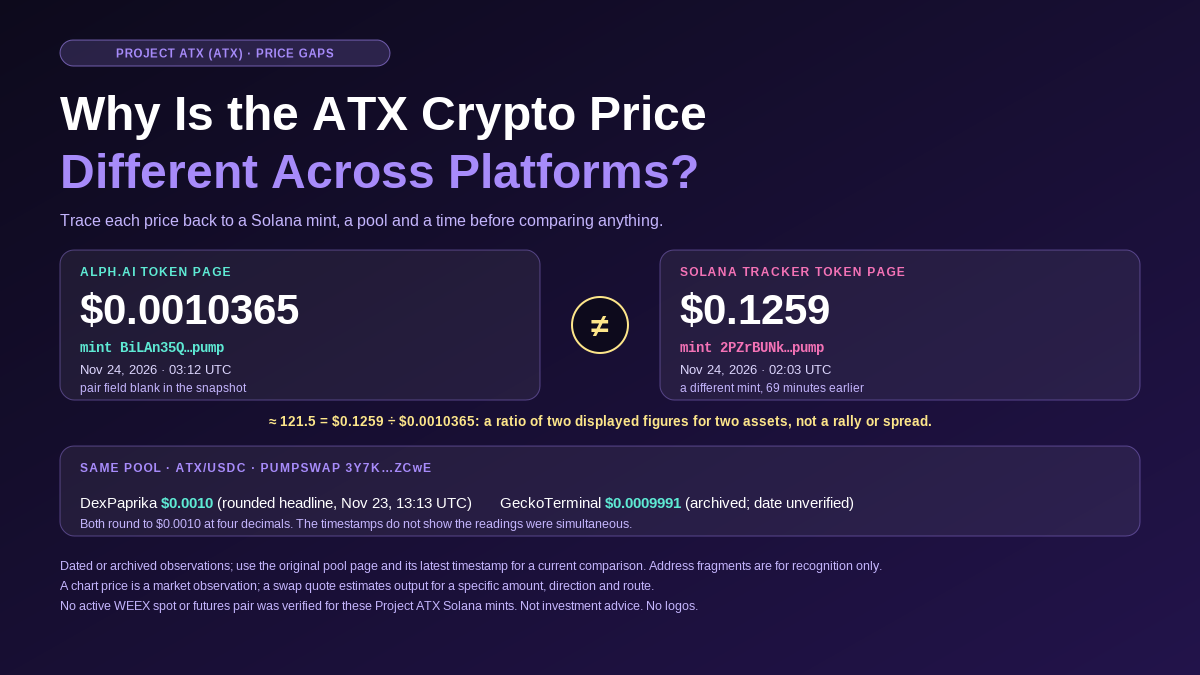
The ATX crypto price can differ across platforms because the pages may track different Solana tokens using the same ATX ticker. Even when two pages track the same Project ATX (ATX) mint, they can show different prices if they use different pools, quote assets, update times, or calculation methods. To diagnose a gap, match the full token address first, then compare the pool address and timestamp. For an actual swap, check a fresh quote for the amount and direction you intend to trade.
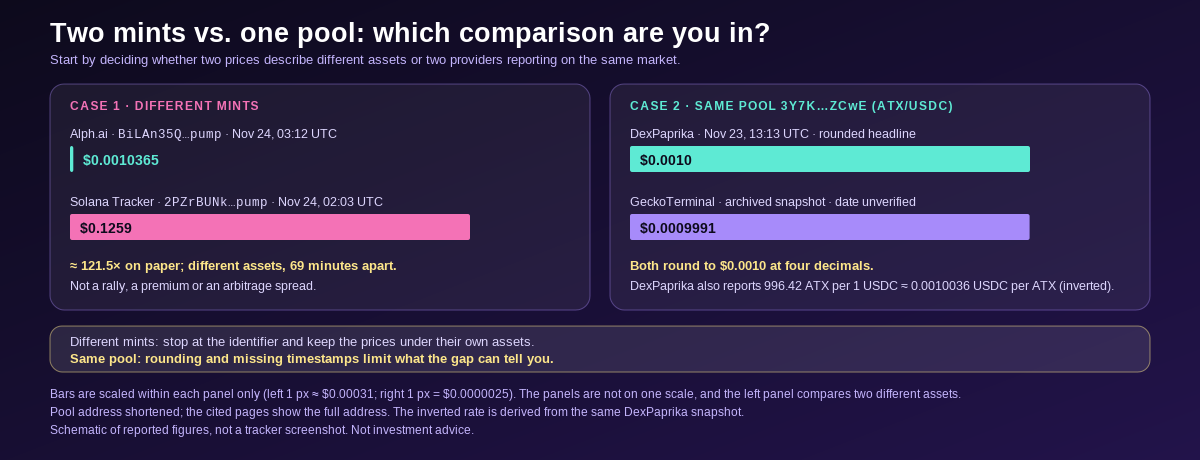
The figures we checked show why the order matters. A tracker displayed about $0.00104 for one Project ATX mint and another displayed about $0.126 for a different mint. That roughly 121-fold gap comes from comparing two assets at different times. We also found two providers reporting close prices for the exact same ATX/USDC pool, despite differences in precision and reported liquidity. A useful comparison starts by establishing which of those two situations you’re in.
Author: WEEX SEO Team
Published: November 24, 2026
Updated: November 24, 2026
Data Cutoff: November 24, 2026, 15:50 UTC+8 (07:50 UTC)
Quick Answer
- Different mint addresses mean the pages track different on-chain assets, even when both display Project ATX and the ticker
ATX. - For the same mint, compare the pool address, quote currency, and update time before calculating the price gap.
- A chart price is a market observation. A swap quote estimates the output for a specified token amount, trade direction, and route.
- The figures below are dated or archived observations. Use the original pool page and its latest timestamp for a current comparison.
What Is the ATX Crypto Price, and Which Page Should You Use?
The most useful ATX price is the one that answers your question about a specific asset. If you’re checking a report about a particular Project ATX token, start with its full mint address. If you’re checking what happened on a chart, use the exact pool and time interval covered by that chart. If you’re estimating the proceeds from a swap, use the quoted output for the same input amount and receiving asset. Each number is useful within its own context.
A platform may put Price USD next to a pair such as ATX/SOL. The pair identifies what trades in the pool. The USD figure translates the market price into a common reporting unit. For an ATX/SOL market, a USD value depends on the rate for ATX in SOL and the USD value applied to SOL. An ATX/USDC market starts with a different quote asset. To reconcile the two, put both rates in the same unit and check that their quote and conversion timestamps are close enough for the comparison.
A ticker search can also return AstroX (ATX) on BNB Smart Chain. If a page is labeled AstroX or shows the BNB Smart Chain contract ending 72242f, its price belongs to that asset record. For readers investigating one of the Solana Project ATX markets, the asset comparison ends as soon as the network and address differ.
What the Project ATX (ATX) Price Snapshots Actually Show
We compared two dated records with the same Project ATX name and ticker, then checked two market-data pages for a single PumpSwap pool. The first comparison tests whether the assets match. The second tests whether two providers are reporting on the same market. Calendar timestamps below are shown in UTC. Address fragments are included for readability, and the cited pages show the underlying records.
| Record | Mint or pool shown | Displayed price | Observation |
|---|---|---|---|
| Alph.ai token page | Solana mint BiLAn35Q…pump | $0.0010365 | Nov. 24, 03:12 UTC. The snapshot did not specify a pair in its pair field. |
| Solana Tracker token page | Solana mint 2PZrBUNk…pump | $0.1259 | Nov. 24, 02:03 UTC. This record identifies a different mint. |
| DexPaprika ATX/USDC pool page | Mint BiLAn35Q…pump, PumpSwap pool 3Y7K…ZCwE | $0.0010 | Nov. 23, 13:13 UTC. The page shows a rounded USD headline. |
| GeckoTerminal ATX/USDC pool page | Same PumpSwap pool 3Y7K…ZCwE | $0.0009991 | Archived page snapshot. The calendar date of this exact headline price could not be verified. |
Case 1. A 121-Fold Price Gap Across Different Mints
Dividing $0.1259 by $0.0010365 gives approximately 121.5. That ratio describes the two displayed figures. It does not measure an ATX rally, a cross-platform premium, or an arbitrage spread. The two records identify different assets, and their timestamps are 69 minutes apart. Even with perfectly synchronized timestamps, the mint mismatch would still rule out a same-asset comparison.
The same rule applies to market cap and trade volume. If a page with the higher unit price also shows a larger valuation, that says something about how that provider values the token it tracks. It doesn’t establish that money moved from the lower-priced mint into the higher-priced one. You would need evidence linking the markets or transactions before making that claim.
Case 2. Two Providers Reporting on the Same ATX/USDC Pool
DexPaprika and GeckoTerminal both identify the PumpSwap pool 3Y7Knabn84dpB6yy5LbCFt574E8ifTMeWkBMTPvGZCwE. Pump also links that pool from the page for the BiLAn35Q…pump mint. That shared pool address gives us a valid basis for comparing what each provider displays. DexPaprika showed a rounded headline of $0.0010, while the GeckoTerminal snapshot showed $0.0009991. At DexPaprika’s displayed precision, $0.0009991 also rounds to $0.0010. The available timestamps do not establish that the two readings were simultaneous, so the example demonstrates how precision affects the comparison without assigning the difference to a specific cause.
There’s another clue on the DexPaprika page. It also reports 996.42 ATX per 1 USDC. Inverting that ratio gives approximately 0.0010036 USDC per ATX, which is consistent with a headline rounded to 0.0010. That calculation uses the values reported for the same snapshot. Treating every trailing zero in the headline as exact would suggest more precision than the page provides.
The Alph.ai snapshot is useful as a separate observation for the same BiLAn35Q…pump mint. Its visible pair field was blank, so it cannot establish a simultaneous comparison with the identified PumpSwap pool. Matching the mint answers the asset question. A pool address or disclosed pricing method is still needed to answer the market question.
Why the Same Mint Can Still Show Different Prices
Once the full mint matches, the next question is what each number measures. A price can come from one pool, an aggregate of several markets, a previous trade, or a route computed for a particular swap amount. A platform can display any of those values in USD, even when the underlying asset trades against SOL or USDC.
| Cause | What you can check | What it can explain |
|---|---|---|
| Different pools | Compare full pool addresses and recent trades. | A trade can move one pool’s price while another pool remains unchanged. |
| Different quote assets | Identify SOL, USDC, or another quote asset and convert to the same unit at comparable times. | One USD reading can move because the quote asset’s USD value moved. |
| Different update times | Compare last-trade times, quote timestamps, or chart candle timestamps. | One view may already include trades the other has yet to reflect. |
| Different price methods | Check whether the value refers to a single pool, an aggregate, or a route. | A chart close, aggregate reference, and live order-size estimate can differ. |
| Display precision | Expand the decimal precision or compare the underlying exchange rate when available. | Two prices can look identical when rounded or appear materially different when tiny decimal values are misread. |
A pool page and a token-level page can both be useful. The DEX Screener API, for example, allows queries for a specific pair and for the set of pairs associated with a token address. CoinGecko separately documents its market price aggregation and provides on-chain endpoints for individual pools. These are examples of different data scopes. They don’t establish which calculation an unlabeled or undocumented ATX price widget uses.
Consider a hypothetical example involving the same mint in two pools. An ATX/SOL pool shows 0.000010 SOL per ATX. At an illustrative SOL price of $100, that’s $0.001 per ATX. A separate ATX/USDC pool shows 0.00102 USDC per ATX, or approximately $0.00102 if USDC is valued at $1 for this example. The second headline price is about 2% higher. If the SOL/USD reference updates to $102 and the ATX/SOL rate stays unchanged, the two USD figures converge under those assumptions. The example explains a possible mechanism. The reviewed records did not verify a simultaneous ATX/SOL and ATX/USDC comparison for the BiLAn35Q…pump mint.
Why the Chart Price and Your Swap Quote Can Differ
A chart helps you understand where a market has traded. A swap quote estimates what a route can deliver for the exact input you enter. A small and a large order can get different average execution prices even when their quotes are requested seconds apart. The amount relative to available liquidity, the selected route, and applicable fees can all affect the quoted output. Jupiter’s developer guide documents scenarios where a route has high price impact or cannot process the full input amount.
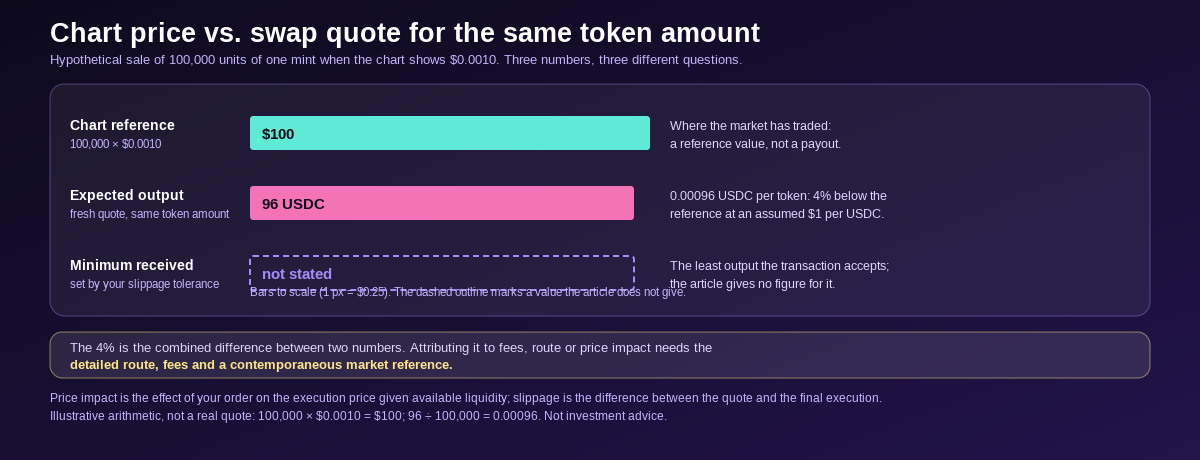
For example, assume a chart displays $0.0010 and you want to sell 100,000 units of that exact mint. The chart implies a reference value of $100. If a fresh quote shows a receive amount of 96 USDC, the quote implies an average rate of 0.00096 USDC per token. At an assumed $1 per USDC, the quoted output is 4% below the chart reference. The 4% figure measures the combined difference between those two numbers. You would need the detailed route, fees, and contemporaneous market reference to attribute it to specific costs.
Price impact describes the effect of your order on the execution price given the available liquidity. Slippage describes a difference between the quote and the price at which the trade ultimately executes. If the router displays a minimum received, that threshold helps you understand how much output the transaction can accept under the chosen tolerance. The chart value, expected output, and minimum received answer three different questions. WEEX’s exchange conversion and DEX swap guide explains how these differences affect execution costs.
How to Compare Two Project ATX (ATX) Prices
Start with the two original market links. Record the network, full mint, and price type before copying the displayed numbers. That gives you an audit trail if the page updates or if a ticker search later surfaces a different chart.
- Match the network and full mint. If either differs, record the prices under their respective assets.
- Identify the pool or data scope. A market page should identify the pair or pool. A token-level page may summarize multiple markets or omit the source pool.
- Match the quote unit and timestamps. Convert SOL and USDC values into a common currency using comparable conversion times and preserve enough decimal places to avoid rounding away the gap.
- Compare the same type of price. Compare two same-time chart readings to evaluate a chart discrepancy. Compare two fresh quotes for the same input amount, output asset, and direction to evaluate a swap.
- Mark what remains unknown. A missing pool address or update timestamp can leave you with two valid observations and too little evidence to explain their difference.
For an editorial report or price alert, a compact label makes the figure reproducible. For example, “approximately $0.0010, Solana mint BiLAn35Q…pump, ATX/USDC on PumpSwap, pool 3Y7K…ZCwE, November 23 at 13:13 UTC, via DexPaprika.” Each field gives the reader a way to confirm that the chart they open is the chart you described.
WEEX Editorial View
Project ATX price coverage should identify the mint and the market before quoting a number. In the clearest case reviewed, a roughly 121-fold gap disappeared as a pricing question once we checked the two mint addresses. For the same-pool observations, rounding and incomplete timestamp information were enough to limit the comparison. If a source cannot establish the asset, pool, or timestamp, keep the figure tied to that source and avoid presenting it as a universal ATX price. We did not verify an active WEEX spot or futures pair for the specific Project ATX Solana mints discussed here.
FAQ
1. Why Does One ATX Crypto Page Show $0.001 and Another Show $0.126?
In the November 24 examples above, the prices were rounded from two reports covering different Solana mint addresses. The two assets shared the Project ATX name and ATX ticker. The quoted gap cannot establish a change in either token’s price.
2. How Do I Know Which Project ATX Price Is Correct?
Start with the full mint address for the token you mean. Look at the relevant pool or documented reference price, then use its timestamp and quote unit to interpret the number. For a transaction, the freshest quote for your exact amount and output asset is the more relevant figure.
3. Can Two ATX Charts Track the Same Pool and Show Different Prices?
Yes. Providers can refresh at different times, show different price fields, or round to different numbers of decimal places. The same PumpSwap pool appeared as $0.0010 in one reviewed snapshot and $0.0009991 in another. Those values round to the same headline figure at four decimal places.
4. Does an ATX Price Gap Create an Arbitrage Opportunity?
A visible price gap alone establishes very little. First confirm that the same asset trades in both markets. Then compare simultaneous quotes for equal sizes in both directions and include route costs, price impact, and execution timing. A gap between two distinct mints cannot be treated as a spread on one token.
5. Is an ATX/SOL Price Directly Comparable With an ATX/USDC Price?
Once the base mint matches, convert both prices to a common unit using comparable timestamps. Check the pool addresses and whether each figure is a chart price or swap quote. The pair labels alone leave those questions open.
Sources
- Alph.ai and Solana Tracker, Project ATX token records for separate Solana mints, observed November 24, 2026, at 03:12 UTC and 02:03 UTC, respectively.
- DexPaprika, GeckoTerminal, and Pump, ATX/USDC PumpSwap pool records, accessed November 24, 2026. The DexPaprika observation is dated November 23, 2026, at 13:13 UTC. The calendar timestamp of the cited GeckoTerminal headline price could not be verified.
- Solana documentation, Create a Token Mint, and DEX Screener, API reference, accessed November 24, 2026.
- CoinGecko, Methodology and on-chain DEX data documentation, and Jupiter, Metis swap developer guide, accessed November 24, 2026.
This content is provided for general informational purposes only and doesn't constitute financial, investment, legal, or tax advice. Any events, rewards, online promotions, or related information mentioned herein should not be considered a recommendation, solicitation, or invitation to purchase, sell, trade, or otherwise deal in any crypto assets. Crypto assets are highly volatile and may result in loss. The availability of WEEX services, products, and related events may vary by region. You are responsible for ensuring that your participation is in accordance with applicable local laws and regulations.
You may also like
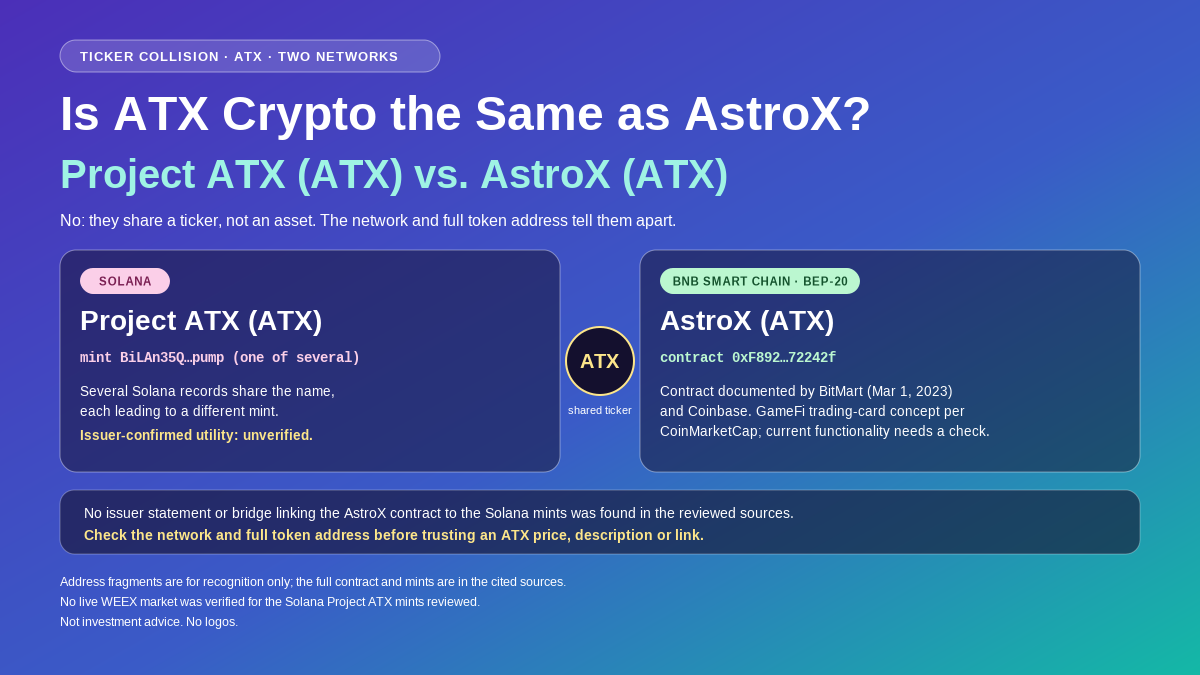
Is ATX Crypto the Same as AstroX? Project ATX (ATX) vs. AstroX (ATX)
Compare Project ATX on Solana with AstroX on BNB Smart Chain. Learn how to verify each token address before trusting an ATX price or buying guide.
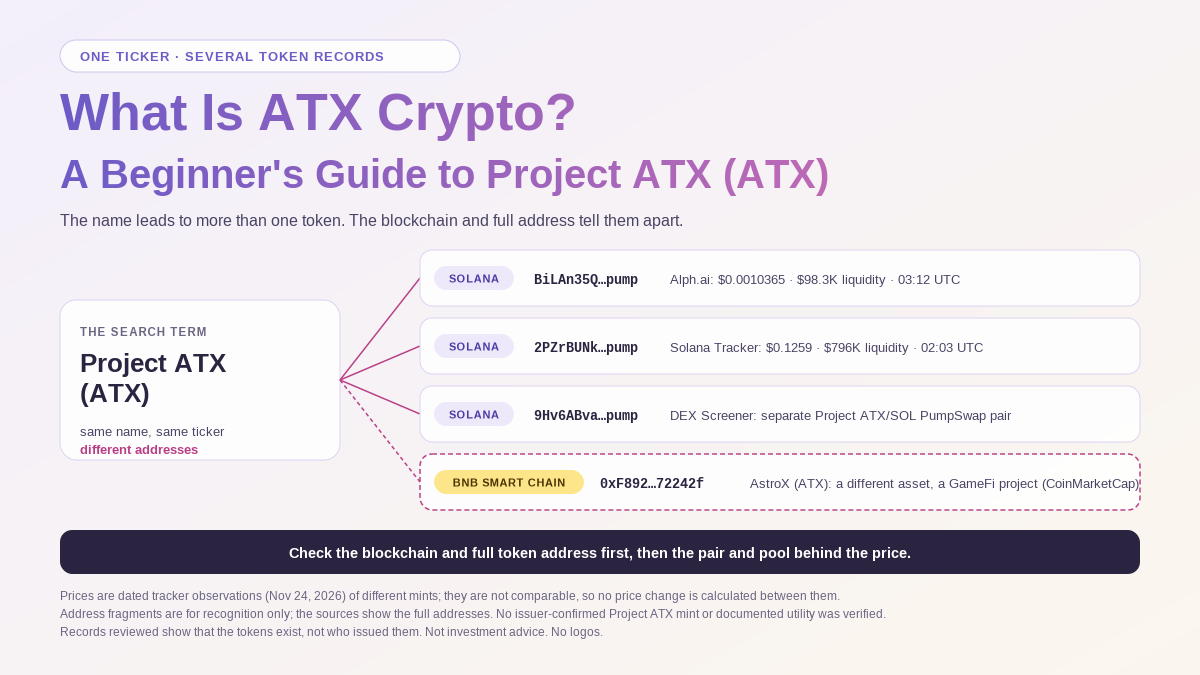
What Is ATX Crypto? A Beginner’s Guide to Project ATX (ATX)
Learn what ATX crypto means, why Project ATX appears under multiple Solana mint addresses, and how to tell those tokens apart from AstroX (ATX).
Binance Hack Recovery: UAE Court Orders Freeze on Stolen Crypto
A UAE court ordered firms to keep crypto linked to the $6.3 billion Binance hack frozen. Read what the order covers and when the next hearing is scheduled.

Zaif Hack: How $60 Million in Crypto Was Stolen in 2018
Japan’s Zaif exchange lost about $60 million in cryptocurrency in a 2018 hack. Read what happened and which assets were stolen.
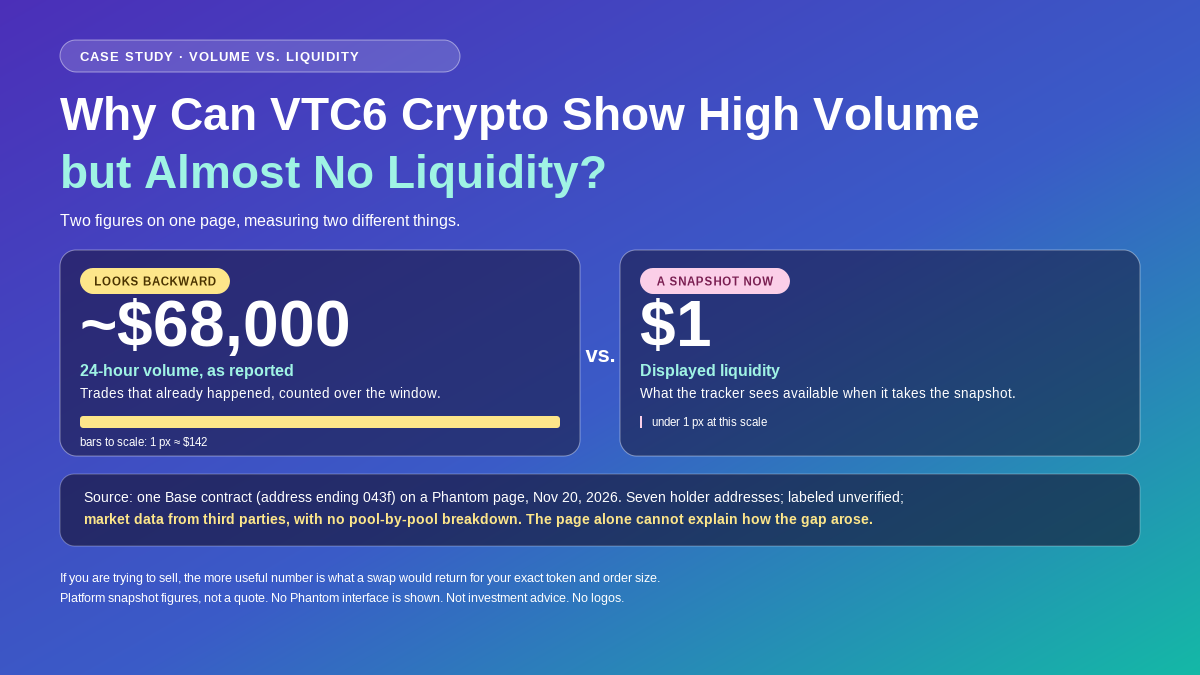
Why Can VTC6 Crypto Show High Volume but Almost No Liquidity?
Why can VTC6 crypto show $68K in volume and just $1 in liquidity? Learn what pool reserves, price impact and sell quotes reveal about a possible exit.
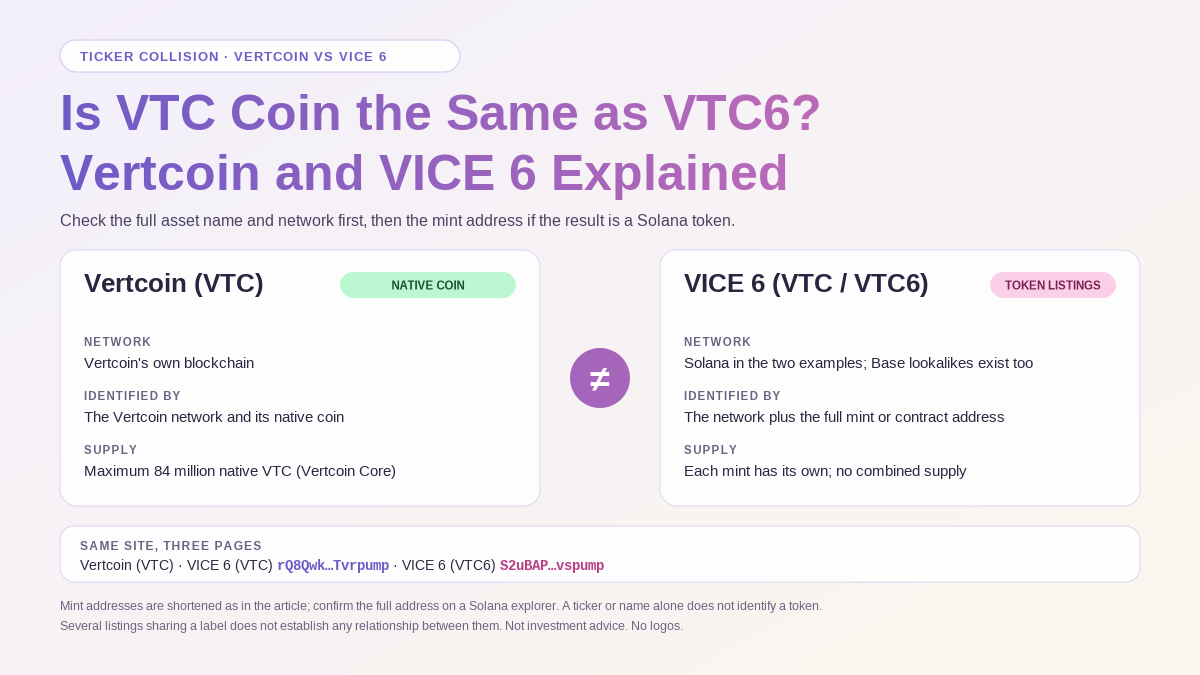
Is VTC Coin the Same as VTC6? Vertcoin and VICE 6 Explained
Is VTC coin the same as VTC6? Compare Vertcoin and VICE 6 by network, ticker and token address, and learn which details to check before transferring funds.
What Is VTC6 Crypto? A Beginner’s Guide to VICE 6 (VTC6)
What is VTC6 crypto? Learn why several tokens use the VICE 6 name and how to check the network, mint address and trading pool before comparing listings.
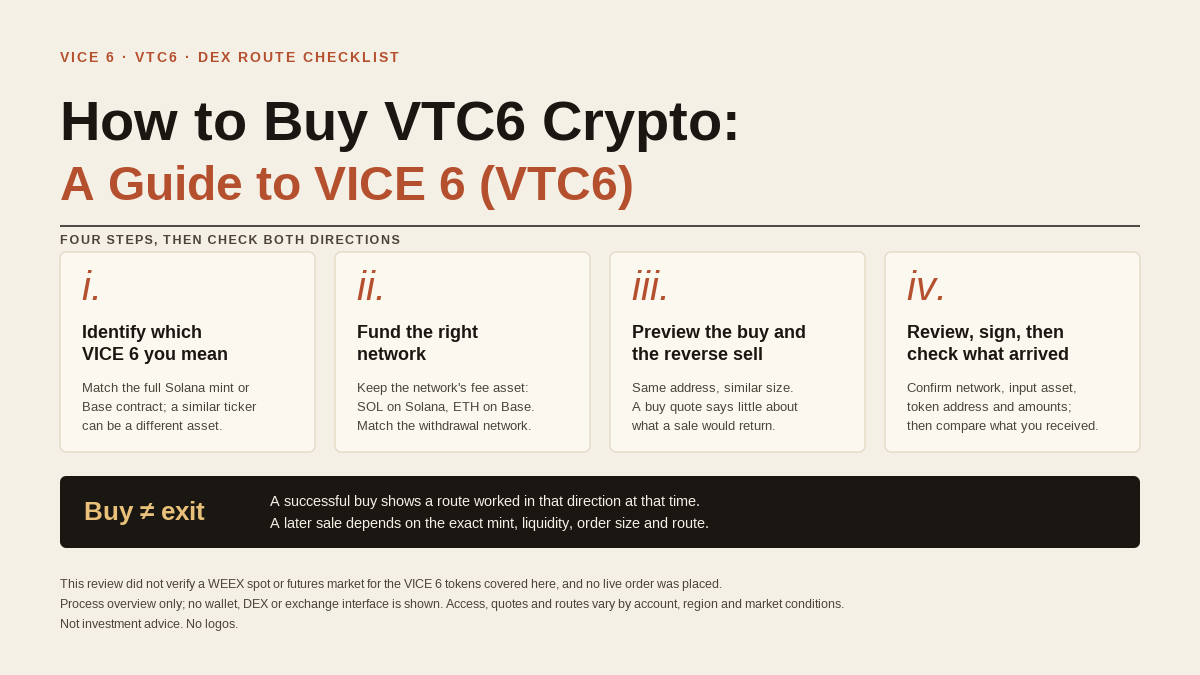
How to Buy VTC6 Crypto: A Guide to VICE 6 (VTC6)
Learn how to buy VTC6 crypto through a supported DEX route, verify the exact VICE 6 token address, and review buy and sell quotes before you swap.

VTC6 Crypto: Is It the Official GTA 6 Coin? What Take-Two Actually Proposed
Is VTC6 crypto the official GTA 6 coin? Compare Take-Two’s Sharkbux proposal, Rockstar’s release information and two same-name Solana token mints.
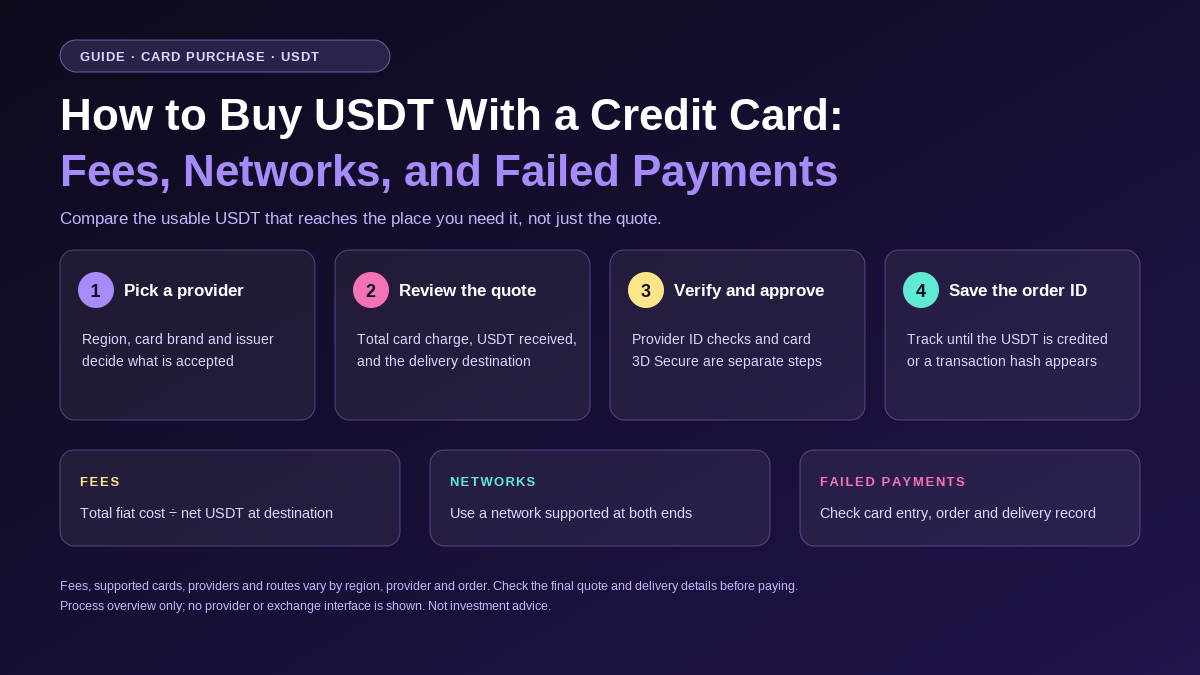
How to Buy USDT With a Credit Card: Fees, Networks, and Failed Payments
Learn how to buy USDT with a credit or debit card, compare the total cost, pick the right network, and troubleshoot declined payments or missing USDT.
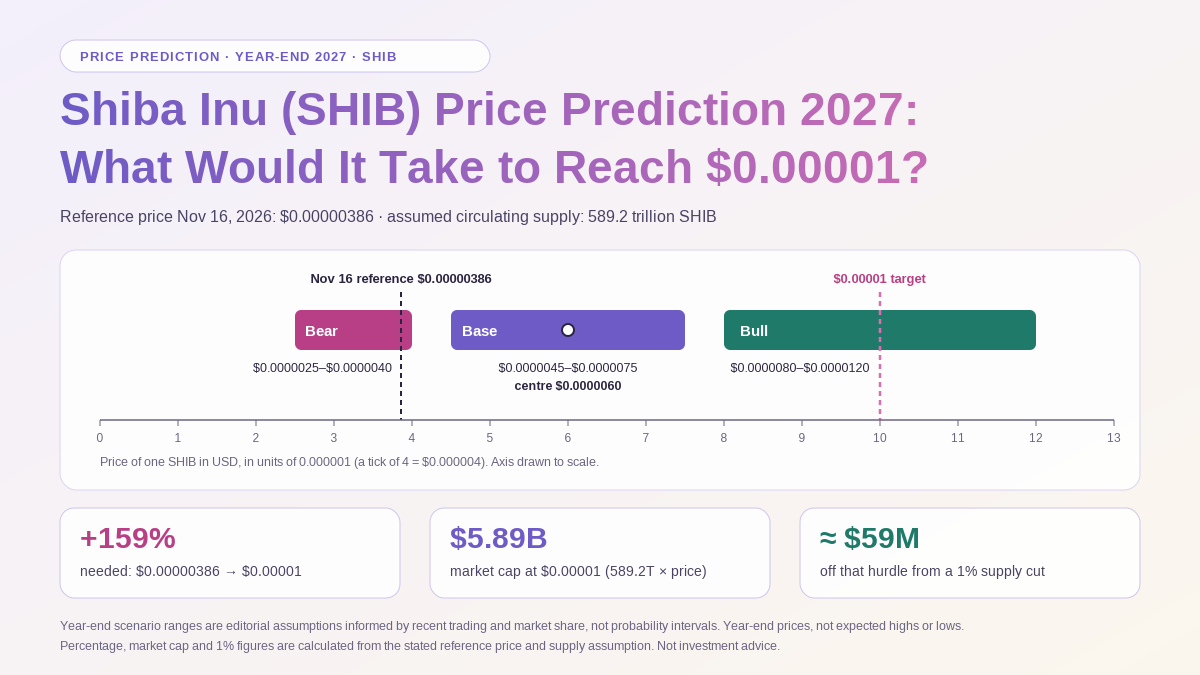
Shiba Inu (SHIB) Price Prediction 2027: What Would It Take to Reach $0.00001?
See our Shiba Inu price prediction for 2027, including the $0.000006 base estimate, the market cap needed for $0.00001, and how much burns could help.

Mercado Bitcoin Withdrawal Update: Pix Restart and Crypto Suspension
Mercado Bitcoin set November 17 for Pix deposits and withdrawals in Brazilian reais. Read the withdrawal rules and the background to the crypto suspension.
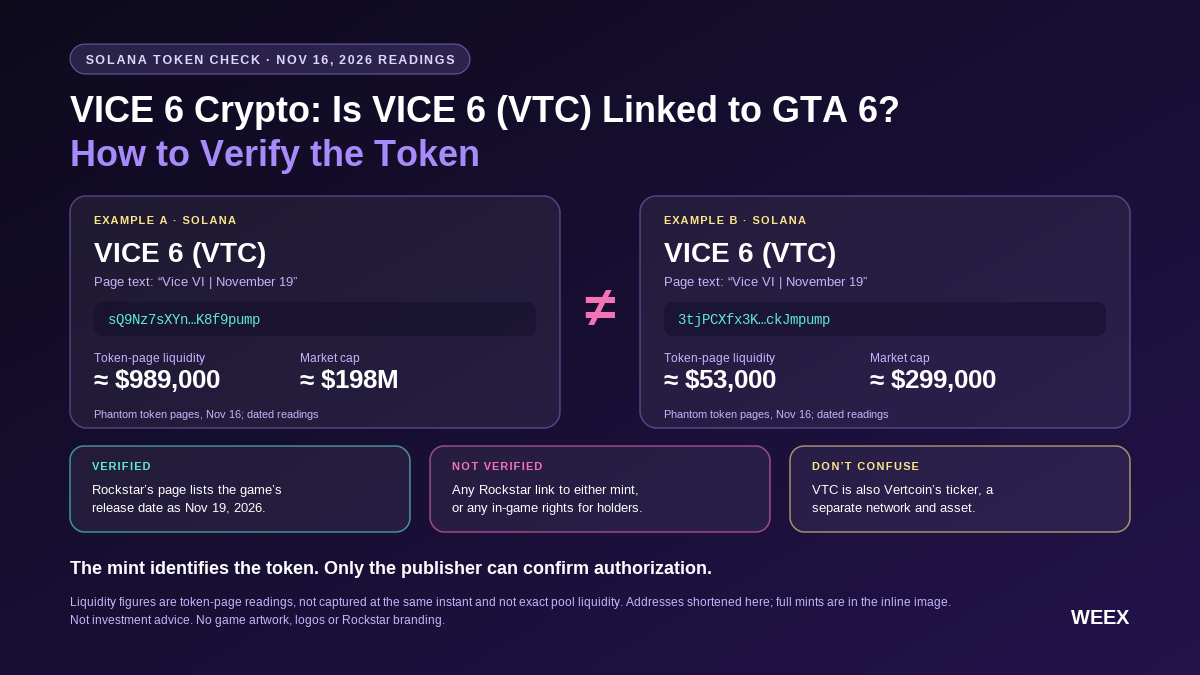
VICE 6 Crypto: Is VICE 6 (VTC) Linked to GTA 6? How to Verify the Token
Is VICE 6 crypto linked to GTA 6? Compare two Solana tokens using VTC, verify their mint and pool addresses, and see what Rockstar has confirmed.
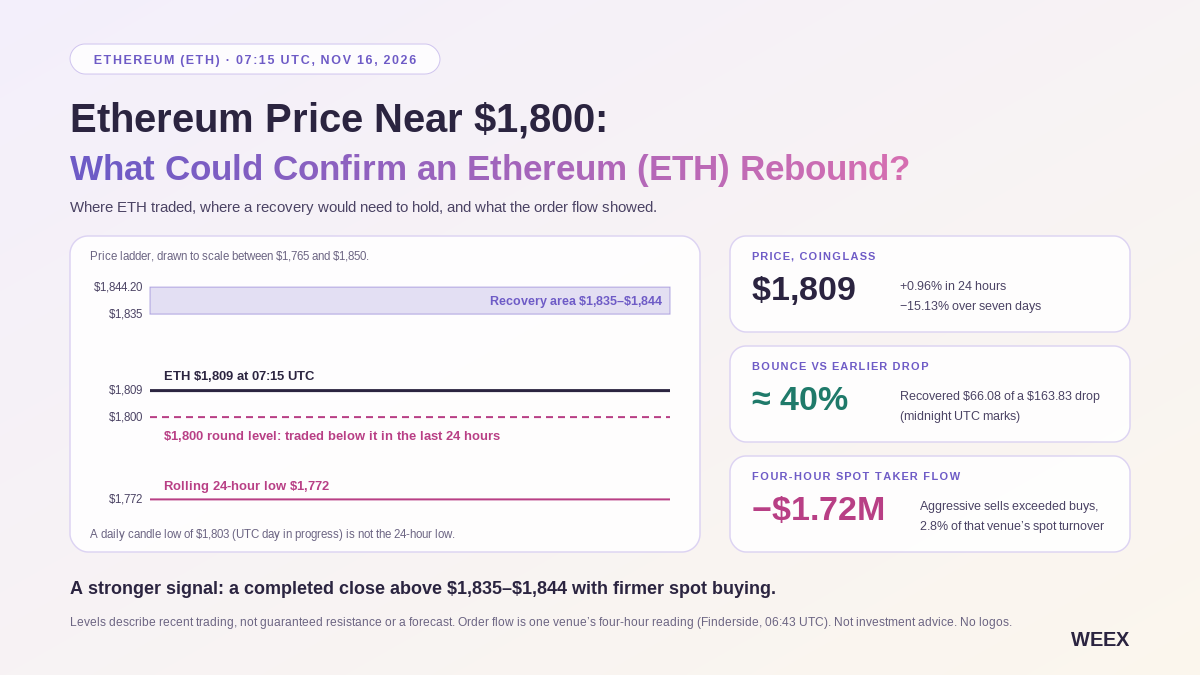
Ethereum Price Near $1,800: What Could Confirm an Ethereum (ETH) Rebound?
Ethereum traded near $1,800 on November 16. See what four-hour spot order flow, futures positioning, and Friday’s ETF flows say about an ETH rebound.
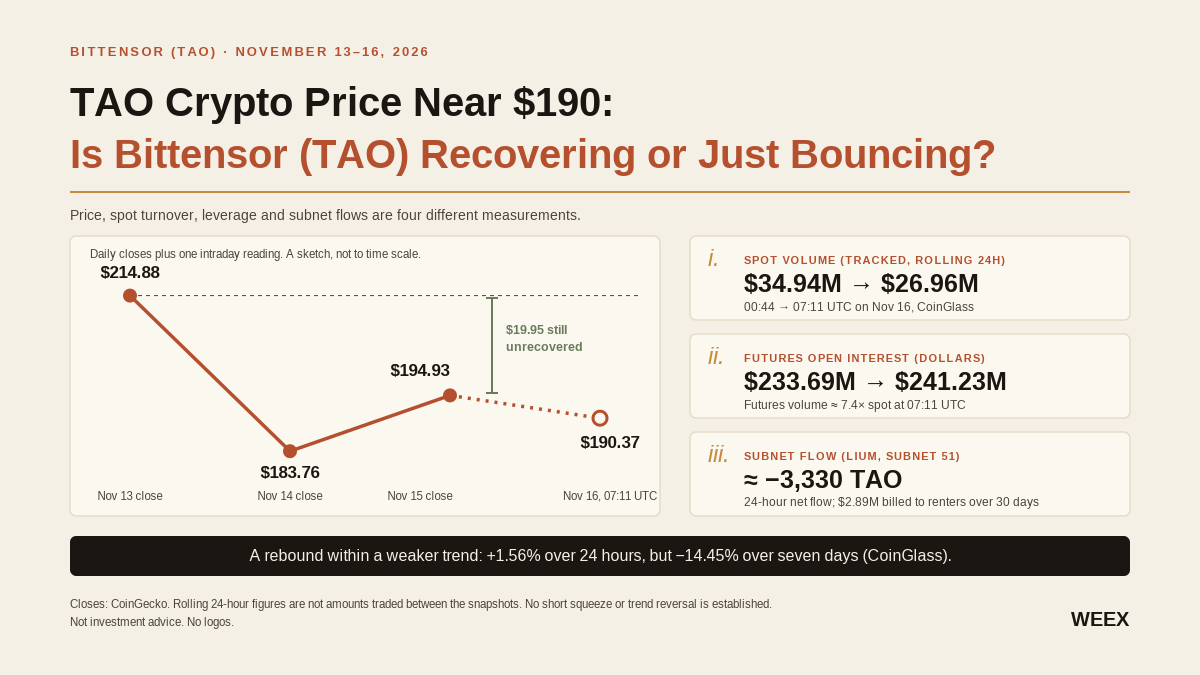
TAO Crypto Price Near $190: Is Bittensor (TAO) Recovering or Just Bouncing?
TAO bounced near $190. Compare spot volume, futures positioning, and Bittensor subnet flows to see what would confirm a more durable recovery.
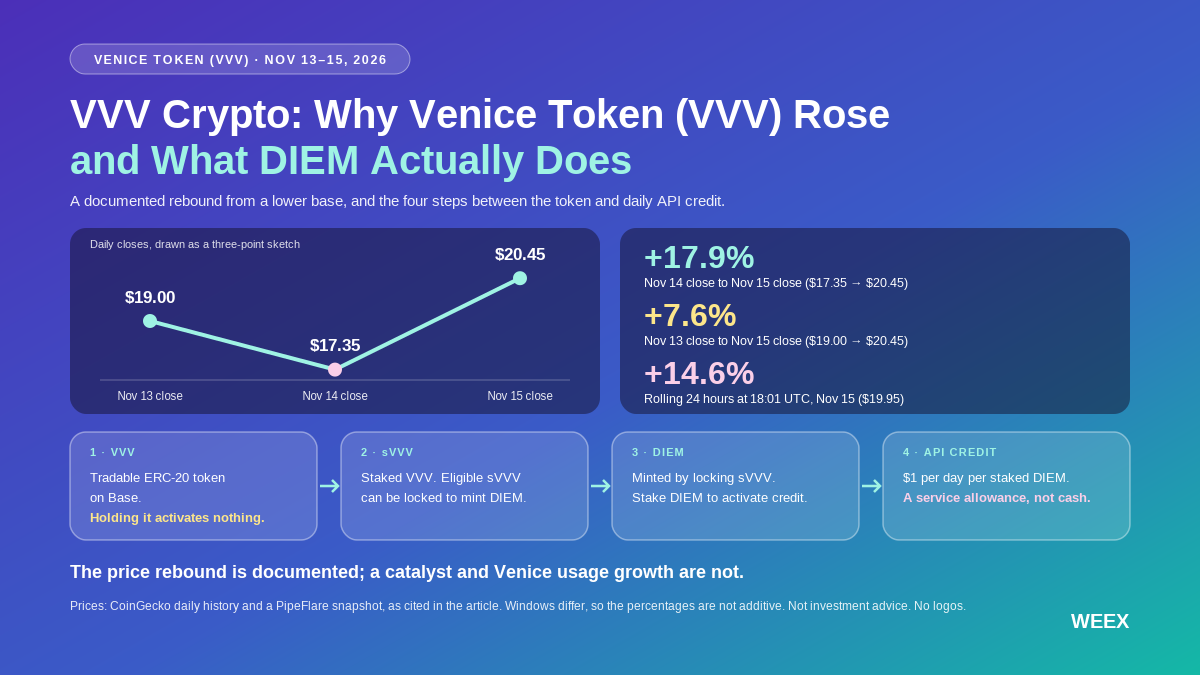
VVV Crypto: What Is Venice Token, Why Venice Token (VVV) Rose and What DIEM Actually Does
Venice Token rose about 14.6% in one November 15 snapshot. Learn what the data shows, how VVV staking works, and what DIEM’s daily API credit buys.
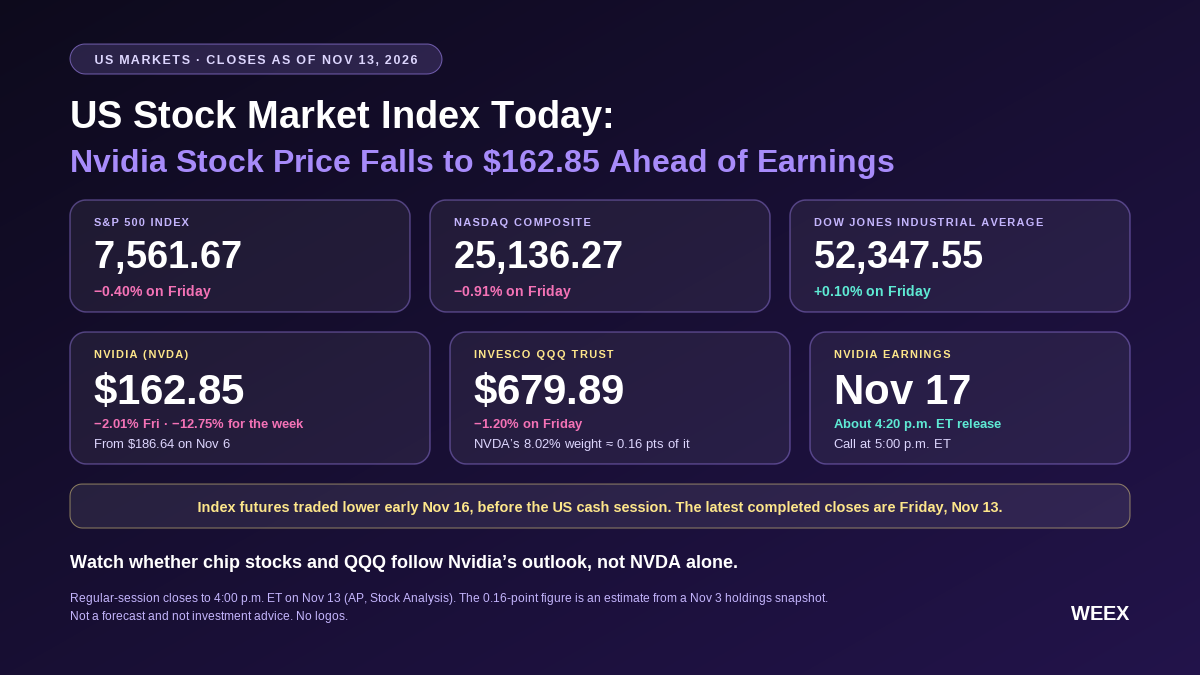
US Stock Market Index Today: Nvidia Stock Price Falls to $162.85 Ahead of Earnings(S&P 500 and QQQ )
Track US stock index futures, the S&P 500 and Dow, and see how Nvidia’s $162.85 close and November 17 earnings could shape QQQ and the broader market.
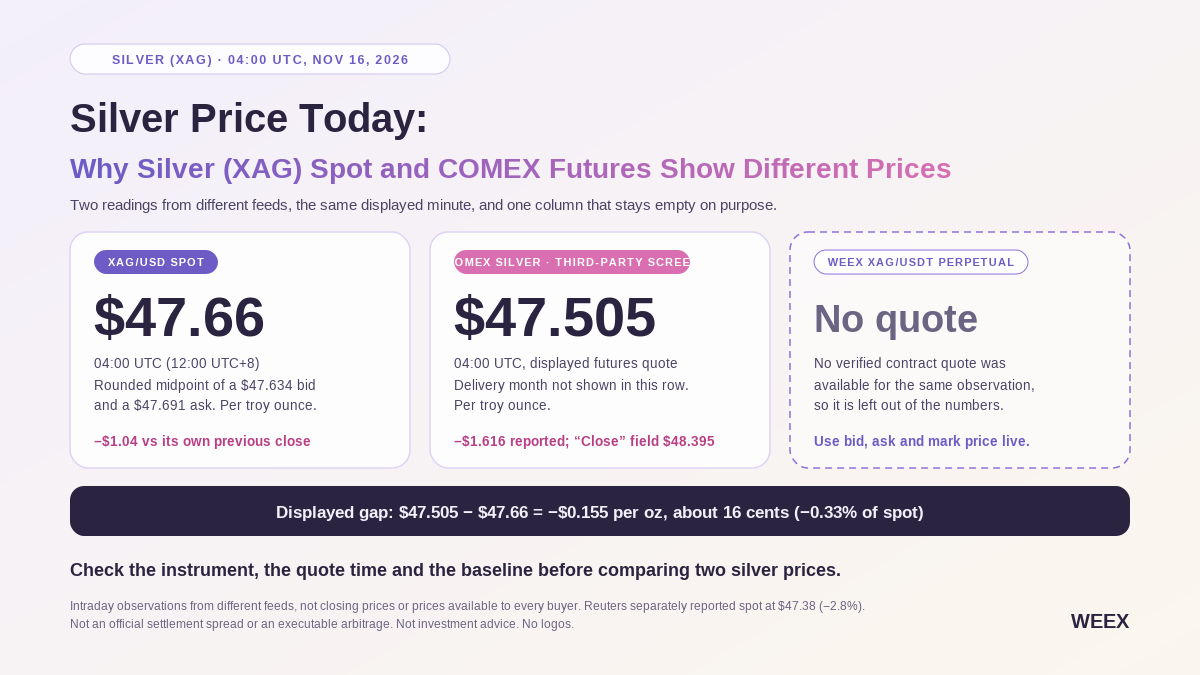
Silver Price Today: Why Silver (XAG) Spot and COMEX Futures Show Different Prices
Silver traded near $47–$48 on November 16. Compare XAG/USD spot, COMEX silver futures, and XAG/USDT perpetuals, and learn why their prices differ.
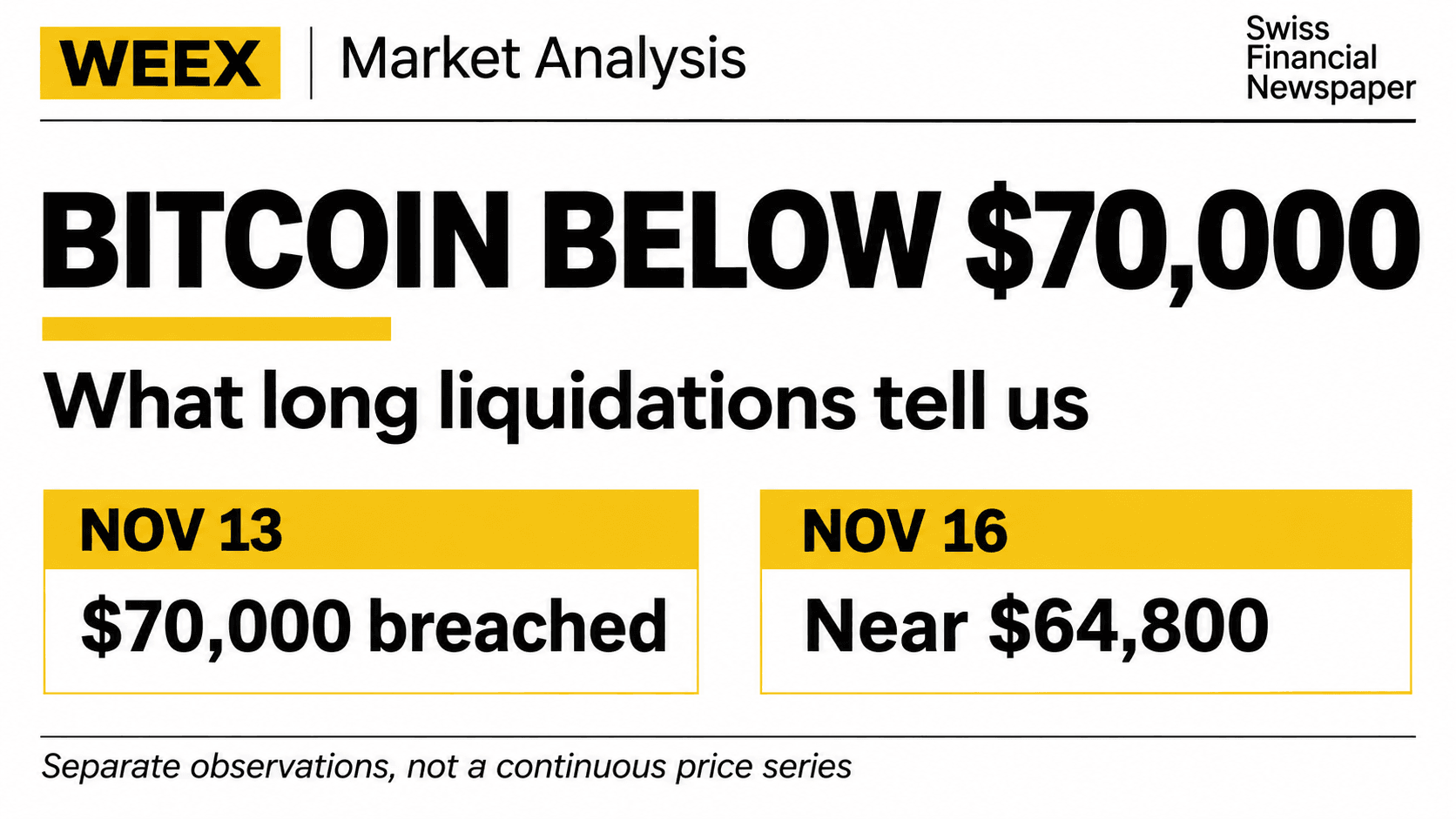
Why Did Bitcoin (BTC) Drop Below $70,000? What Long Liquidations Tell Us
See why Bitcoin fell below $70,000 on November 13, how long liquidations amplified the decline, and what to watch before calling a rebound. If you already plan to trade, you can check whether your activity qualifies for the WEEX Lucky Eggs event, scheduled to run through November 25, 2026 (UTC+8).
Binance Hack Exposes Cybersecurity Gaps at Crypto Exchanges
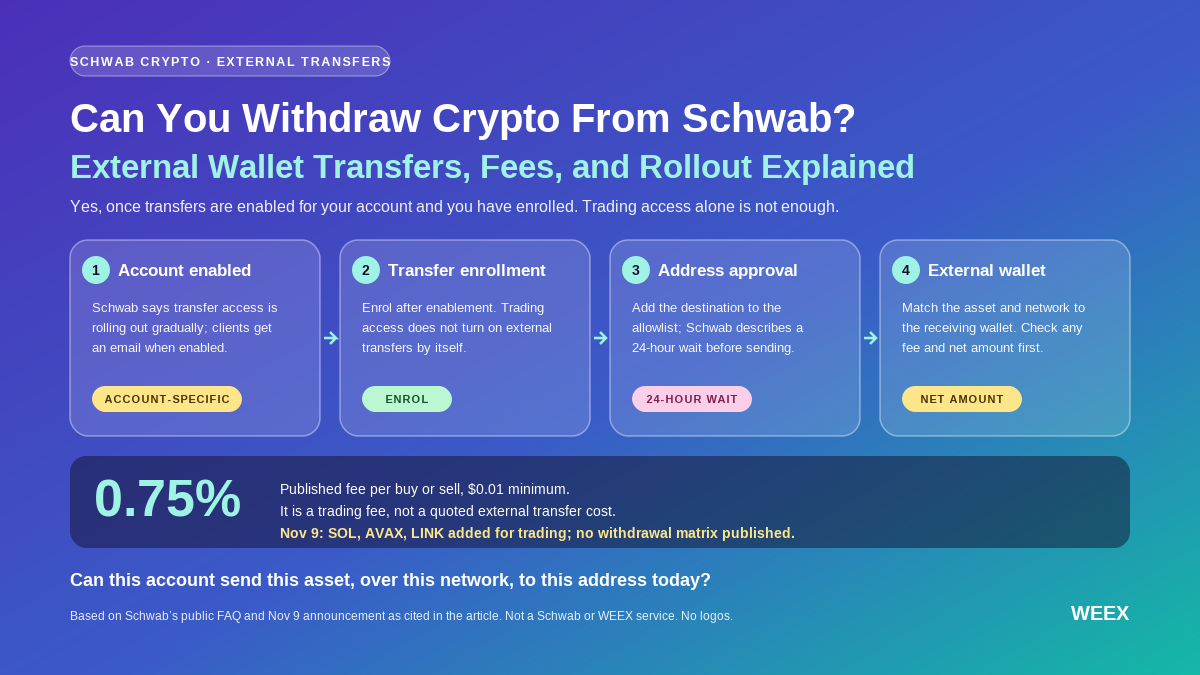
Can You Withdraw Crypto From Schwab? External Wallet Transfers, Fees, and Rollout Explained
Find out when Schwab Crypto allows external wallet withdrawals, how the 24-hour address wait works, and why the 0.75% trading fee is separate.
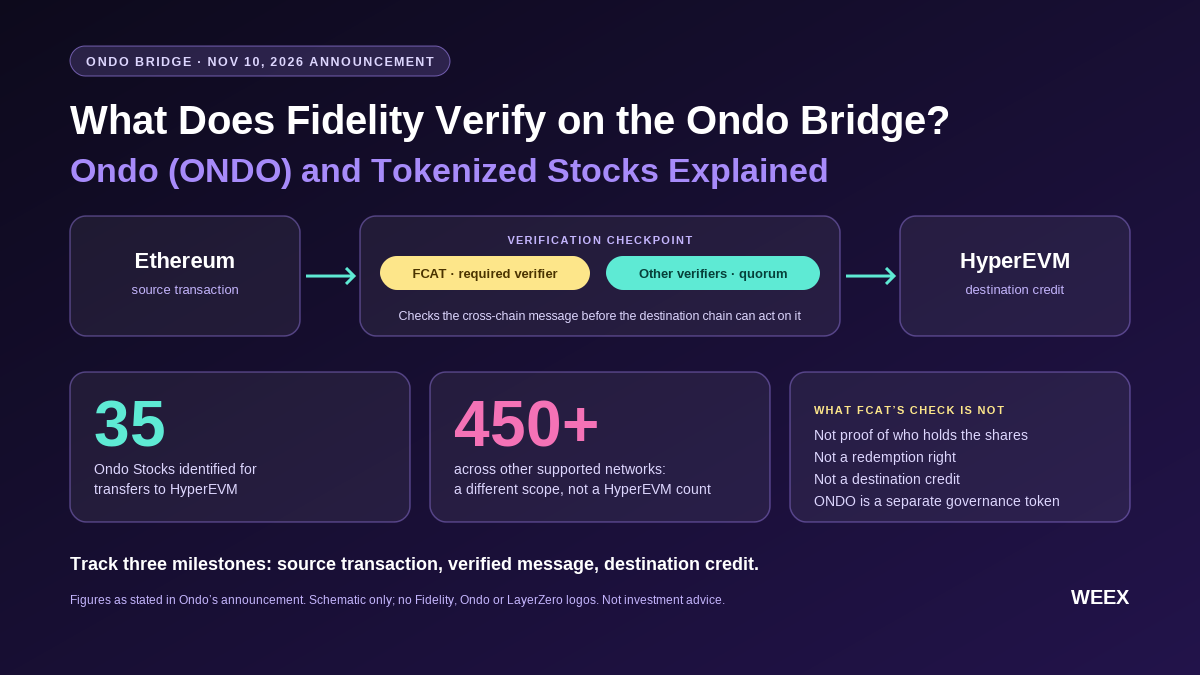
What Does Fidelity Verify on the Ondo Bridge? Ondo (ONDO) and Tokenized Stocks Explained
Learn what Fidelity’s FCAT verifies on the Ondo Bridge, how to check a tokenized stock transfer, and why Ondo Stocks differ from the ONDO token.
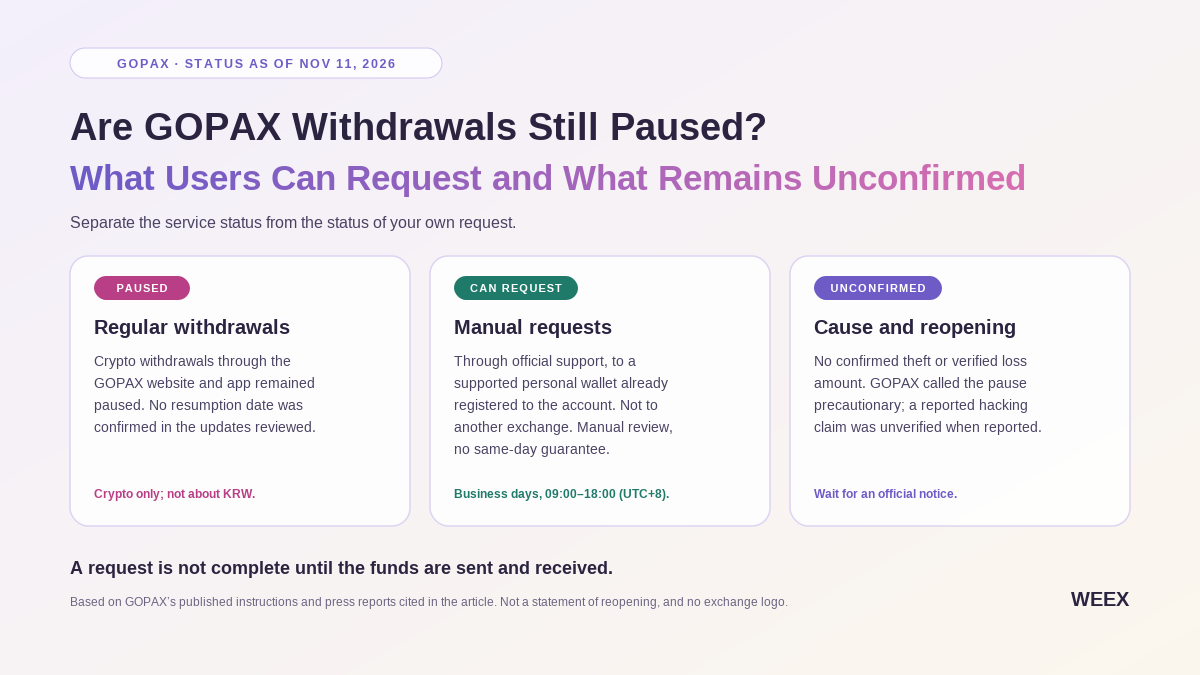
Are GOPAX Withdrawals Still Paused? What Users Can Request and What Remains Unconfirmed
Check the latest GOPAX withdrawal status, which wallets qualify for manual requests, and how to tell whether your crypto withdrawal has been sent.
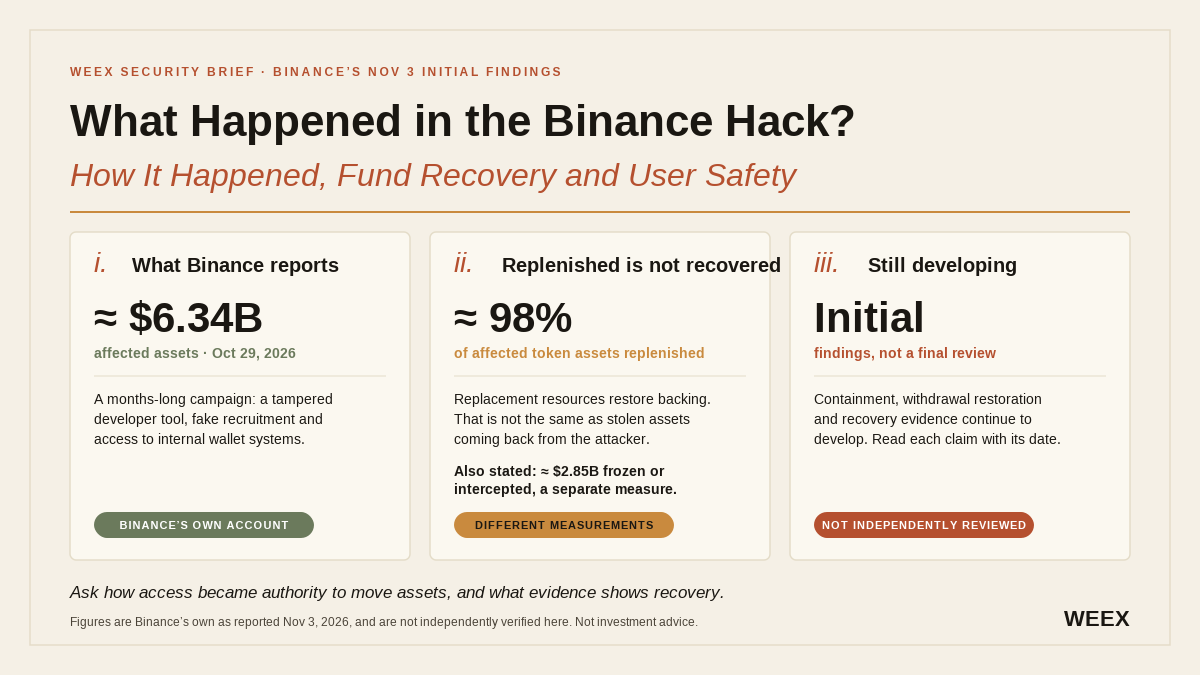
What Happened in the Binance Hack? How It Happened, Fund Recovery and User Safety
What happened in the Binance hack? Review the attack timeline, latest fund replenishment, recovery limits and practical steps to protect your account.
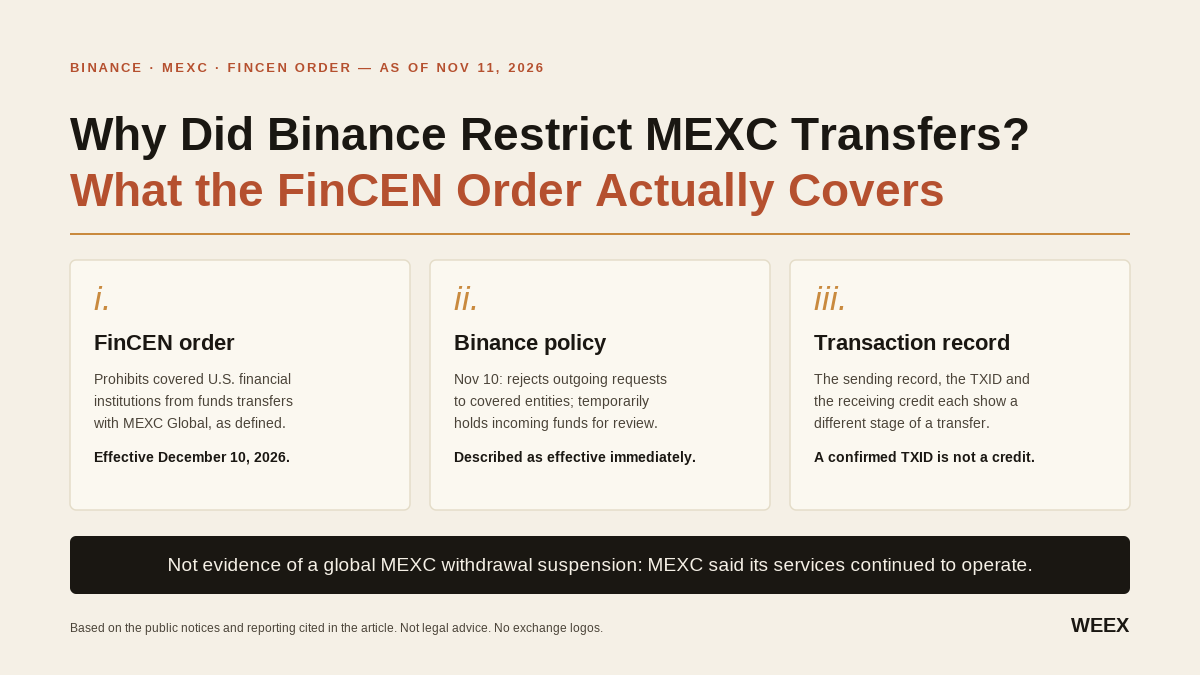
Why Did Binance Restrict MEXC Transfers? What the FinCEN Order Actually Covers
Find out why Binance restricted MEXC transfers, when the FinCEN order takes effect, and what to check if your crypto deposit is held for review.

What Is Elysium Crypto? The Hyperliquid Layer 2, Gas Fees, and Token Confusion Explained
Learn what Elysium is, why it uses HYPE for gas, how KNTQ buybacks are designed, and how to distinguish bridge TVL from actual DeFi activity.
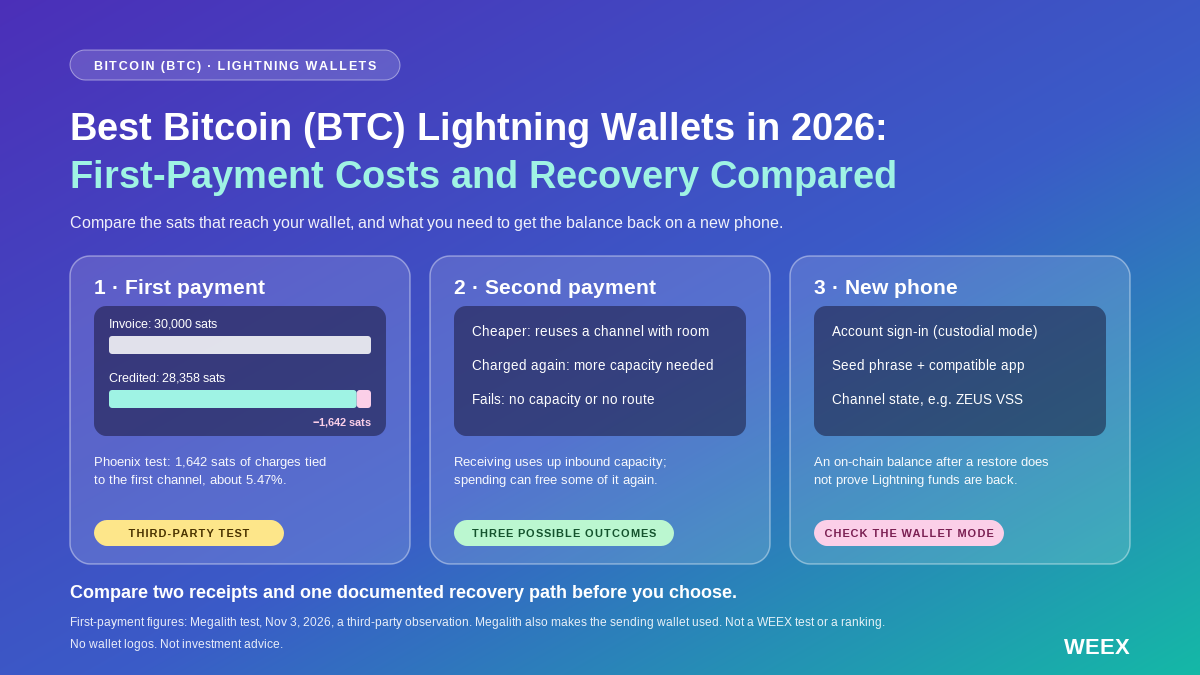
Best Bitcoin (BTC) Lightning Wallets in 2026: First-Payment Costs and Recovery Compared
Key Takeaways Lightning Network wallets enable fast and cost-effective Bitcoin transactions by using off-chain channels. A variety of…
Crypto ATM Fees: How Much Bitcoin (BTC) Do You Get for $100?
See how much Bitcoin $100 buys at a crypto ATM. Compare two sample quotes, calculate the all-in cost, and learn which fees not to count twice.
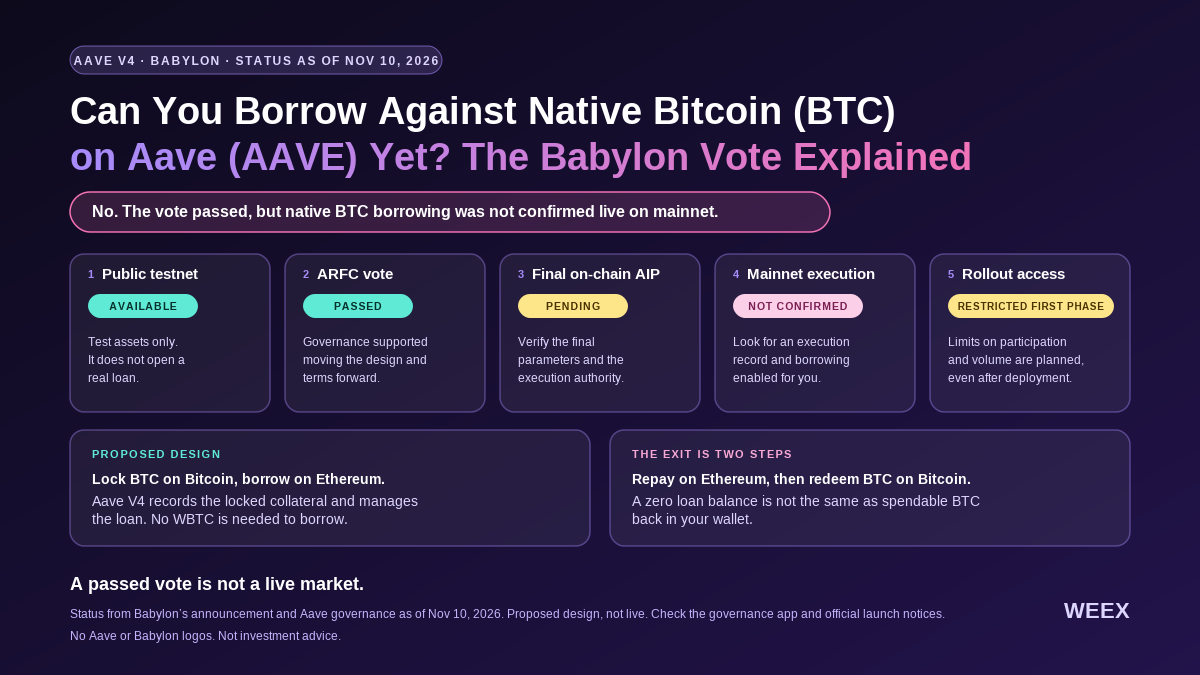
Can You Borrow Against Native Bitcoin (BTC) on Aave (AAVE) Yet? The Babylon Vote Explained
Can you borrow against native Bitcoin on Aave yet? See what the Babylon vote approved, what still needs to launch, and how BTC liquidation would work.
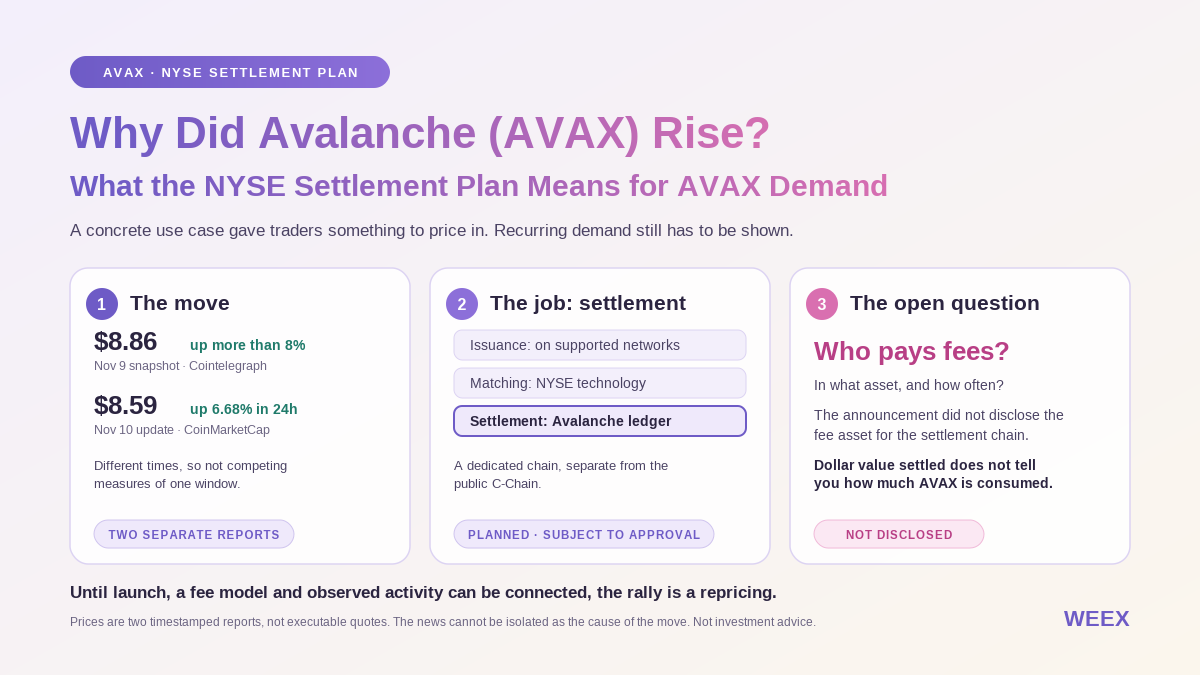
Why Did Avalanche (AVAX) Rise? What the NYSE Settlement Plan Means for AVAX Demand
See why Avalanche (AVAX) rallied after the NYSE settlement announcement, how the dedicated chain would work, and what could create demand for AVAX.
Is ATX Crypto the Same as AstroX? Project ATX (ATX) vs. AstroX (ATX)
Compare Project ATX on Solana with AstroX on BNB Smart Chain. Learn how to verify each token address before trusting an ATX price or buying guide.
What Is ATX Crypto? A Beginner’s Guide to Project ATX (ATX)
Learn what ATX crypto means, why Project ATX appears under multiple Solana mint addresses, and how to tell those tokens apart from AstroX (ATX).
Binance Hack Recovery: UAE Court Orders Freeze on Stolen Crypto
A UAE court ordered firms to keep crypto linked to the $6.3 billion Binance hack frozen. Read what the order covers and when the next hearing is scheduled.
Zaif Hack: How $60 Million in Crypto Was Stolen in 2018
Japan’s Zaif exchange lost about $60 million in cryptocurrency in a 2018 hack. Read what happened and which assets were stolen.
Why Can VTC6 Crypto Show High Volume but Almost No Liquidity?
Why can VTC6 crypto show $68K in volume and just $1 in liquidity? Learn what pool reserves, price impact and sell quotes reveal about a possible exit.
Is VTC Coin the Same as VTC6? Vertcoin and VICE 6 Explained
Is VTC coin the same as VTC6? Compare Vertcoin and VICE 6 by network, ticker and token address, and learn which details to check before transferring funds.
Latest articles
Latest coin listings on WEEX


