
Apple and Microsoft Unveil Blockchain Patents

 Prefer us on Google


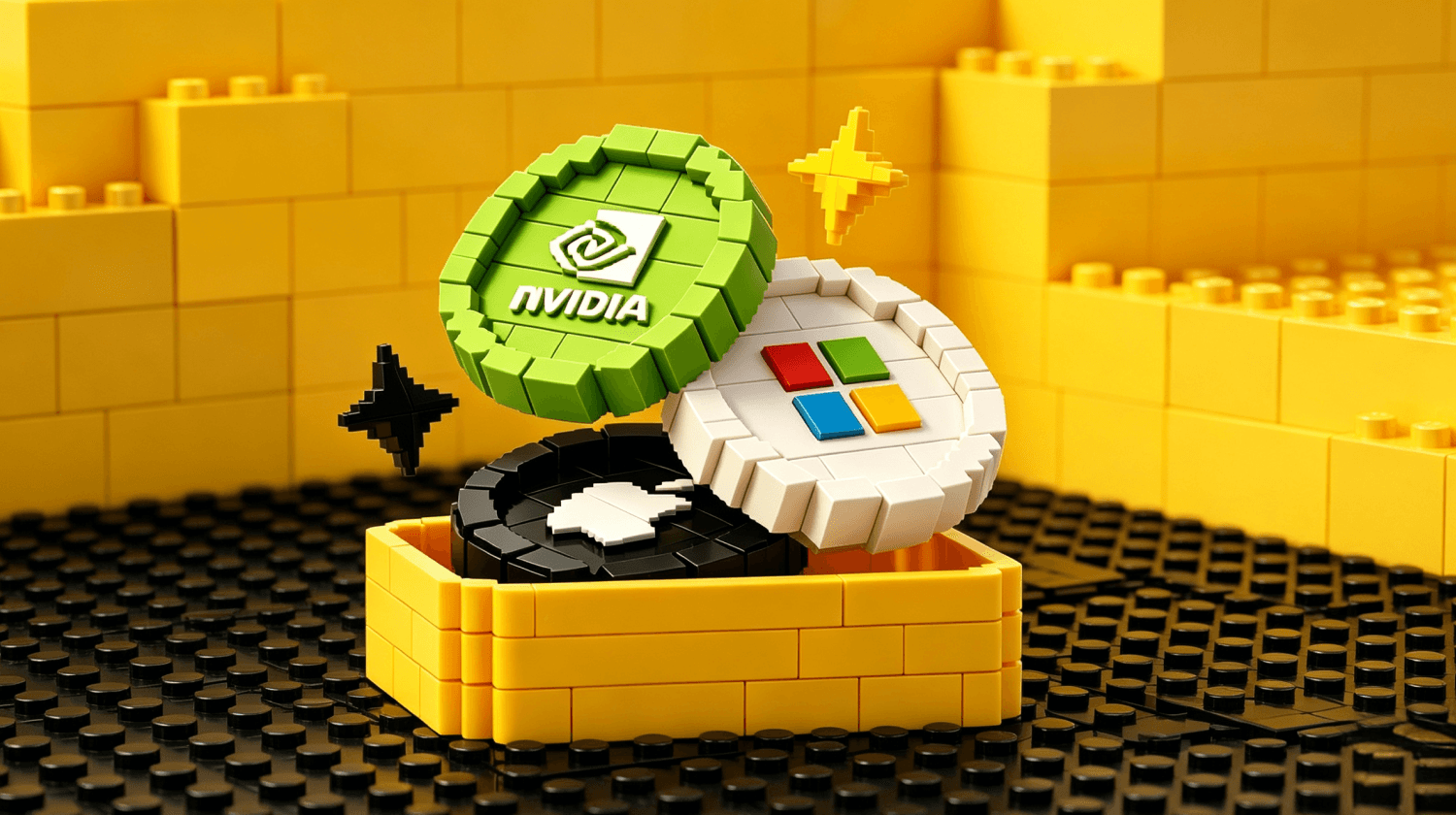
Apple and Microsoft logos. Source=ChatGPT
Apple and Microsoft (MS) have each unveiled patents aimed at enhancing the speed and efficiency of blockchain-based virtual asset (digital asset) transactions. Apple has introduced technology that can be utilized for remittances and payments between users, while MS has proposed technology that protects personal information by processing transactions in multiple stages.
On the 12th (Korean time),
The core of this technology is to support the rapid and efficient exchange of blockchain assets between users. Instead of directly recording all transactions on the blockchain, it processes transactions using a separate server.
Typically, to transfer assets on a blockchain, the transaction details must be recorded and verified on the network. This process can take time and incur fees.
To address these issues, Apple proposed a structure that utilizes a "Blockchain Interface Server." When a user deposits and locks assets on the blockchain and sets up a payment channel connected to the server, they can subsequently transfer assets to other users through the server.
For example, if user A sends digital assets to user B, the server verifies the transaction information and notifies the recipient of the asset transfer. In this process, individual transactions may not be immediately recorded on the blockchain.
Later, the results of multiple transactions can be settled on the blockchain. This is said to reduce the time and costs required for transaction processing.
A method of utilizing multiple blockchain networks through a single server was also proposed.
The patent documentation mentions examples of usable blockchain technologies and digital assets such as BTC (Bitcoin), ETH (Ethereum), USDT (Tether), XRP (Ripple), and SOL (Solana).
Notably, it also explains that the Blockchain Interface Server could operate as part of a smartphone manufacturer's service ecosystem. This would involve linking smartphone user accounts with blockchain wallet addresses to facilitate remittances and payments.
MS also unveiled technology for efficiently processing blockchain-based digital asset transactions while protecting personal information.
MS's patent management subsidiary, Microsoft Technology Licensing, disclosed an international patent application (WO2026156568A1) titled "Efficient and Private Digital Asset Transaction" on July 30.
This technology divides a single digital asset transaction into multiple sub-transactions and verifies the execution results of each.
The core technology is "Zero-Knowledge Rollup (ZK-Rollup)."
Zero-Knowledge Rollup is a technology that processes transactions outside the blockchain and verifies that the transactions have been executed correctly through cryptographic proof. It allows for the validation of transaction validity without directly recording all transaction details on the blockchain.
MS proposed a method of dividing a single transaction among participating institutions for processing.
For instance, if digital currency is remitted between users with accounts at different banks, each bank processes its related transactions and verifies the results.
In this process, the institutions participating in the transaction do not need to disclose the user's personal information or internal transaction details to other institutions. Each institution generates cryptographic proof that the transactions relevant to them were processed and executed correctly.
Subsequently, the blockchain network verifies whether individual transactions were processed correctly and aggregates this information to confirm that the overall transaction was executed as originally requested.
MS explained that utilizing this structure would enhance transaction processing efficiency while protecting the personal and transaction information of participating institutions. Central banks, commercial banks, and government regulatory agencies were suggested as institutions that could utilize this technology.
The range of digital assets proposed by MS is broad, encompassing not only digital currencies but also digital bonds, software (SW), audio-visual content, and intellectual property rights. Usable transaction types include the issuance, transfer, and trading of digital assets.
Both companies' technologies share a common goal of enhancing efficiency by processing transactions outside the blockchain, but they differ in their application methods.
While Apple focused on real user environments such as remittances and payments between smartphone users, MS emphasized foundational technologies that improve the processing efficiency and personal information protection of digital asset transactions involving multiple institutions.
Apple proposed a method of processing individual transactions through a server and subsequently settling them on the blockchain, while MS suggested a method of executing transactions in multiple parts and verifying them through cryptographic proof.
However, both patents are currently at the stage of disclosed application content, meaning that patent registration has not been confirmed, nor has it been applied in actual services.
-- Price
This content is provided for general informational purposes only and doesn't constitute financial, investment, legal, or tax advice. Any events, rewards, online promotions, or related information mentioned herein should not be considered a recommendation, solicitation, or invitation to purchase, sell, trade, or otherwise deal in any crypto assets. Crypto assets are highly volatile and may result in loss. The availability of WEEX services, products, and related events may vary by region. You are responsible for ensuring that your participation is in accordance with applicable local laws and regulations.
You may also like

TD Cowen Raises Strive's Target Price to $56, Exceeds BTC Accumulation Expectations

Sam Price Analyzes Bitcoin Trading Timing and Market Reactions

BFFS26 Denver Summit Set for October 20-22, 2026

New whales boost Bitcoin after bear market, says Spanish analyst

SEC Approves Binary Options Linked to KPIs of 23 Listed Companies

Bitcoin Price Drops 2% to 81473 Dollars Amid Inflation Concerns
Sam Price Observes Changes in Bitcoin ETF Net Inflows

How to Manage a Channel When Cryptocurrency Advertising is Banned in 2026
The session to annul the DNU allowing bitcoin contracts in Argentina failed
Sam Price Discusses the Impact of Rising PPI on the Market

Charles Schwab Launches Bitcoin and Ethereum Trading for 40 Million Customers

Unique Wealth Discloses Approximately $10.4 Million Bitcoin Exposure

SIPAP Failures in Paraguay Affect Transfers, Bitcoin Operates Without Interruptions

Bitcoin Directly or via an ETP in a Securities Account: What to Choose?
Sam Price Observes Bitcoin Price Fluctuation, Surpassing $82,000

Davy Heuts Regains Access to 0.05 Bitcoin from 2013 with AI
New Exchanges in Russia, Spy Chips in Ledger, and Cryptocurrency Market Events

France Plans to Impose 31.4% Tax on Bitcoin to Stablecoin Exchanges

Sazmining Launches Block Proto Bitcoin Mining Hash Board Sales Program
Fortitude sold $8.3 million in borrowed Zcash to fund its mining expansion

Math Professor Discusses AI Threats to Bitcoin Security

Study finds $188 billion in risky funds linked to crypto exchanges
Bloomberg analyst predicts BTC could drop to 10000 if U.S. stocks fall 20%

September Web3 Security Monthly Report: 48 Major Security Incidents, Over $760 Million in Stolen Funds
Global onshore oil inventories drop 113 million barrels, impacting Bitcoin inflation relief hopes

Pearl's Strategic Power: Not Eliminating Useless Miners, But Naturally Phasing Them Out Through Economic Principles
DWF Labs: Tokenization Drives Change in Financial Markets

Glassnode reports Bitcoin enters early recovery after Q3 bottoming

Nine Crypto Companies Form Quantum Alliance Amid Controversy Over Freezing Vulnerable Assets
Deutsche Bank to Launch Crypto Custody Service in Germany Within Weeks
TD Cowen Raises Strive's Target Price to $56, Exceeds BTC Accumulation Expectations
Sam Price Analyzes Bitcoin Trading Timing and Market Reactions
BFFS26 Denver Summit Set for October 20-22, 2026
New whales boost Bitcoin after bear market, says Spanish analyst
SEC Approves Binary Options Linked to KPIs of 23 Listed Companies
Bitcoin Price Drops 2% to 81473 Dollars Amid Inflation Concerns
Contents
Latest articles


Latest coin listings on WEEX


