
When Was Bitcoin Created and Who Is Satoshi Nakamoto?

 Prefer us on Google
Bitcoin has transformed global finance, offering a decentralized alternative to traditional banking. But when was it created, and who is behind it? The answer remains elusive. Launched by the mysterious Satoshi Nakamoto—whose true identity is still unknown—Bitcoin introduced a groundbreaking vision for digital currency. This article explores Bitcoin’s origins and the enigma of its creator.
When Was Bitcoin Created?
Bitcoin was introduced in October 2008 when an anonymous figure (or group) named Satoshi Nakamoto published the whitepaper "Bitcoin: A Peer-to-Peer Electronic Cash System." The paper proposed a decentralized digital currency, solving double-spending with cryptography and a public ledger—eliminating the need for central authorities.
The Bitcoin network went live on January 3, 2009, when Nakamoto mined the Genesis Block (Block 0). This marked the birth of the blockchain and the first step toward a trustless, transparent financial system.
The creation of Bitcoin wasn’t just a technical breakthrough—it challenged traditional banking by offering an alternative free from centralized control. Nakamoto’s identity remains unknown, adding to the mystery of this revolutionary invention.
Who Is Satoshi Nakamoto?
Satoshi Nakamoto, the pseudonymous creator of Bitcoin, remains one of tech's greatest mysteries. Despite widespread speculation, their true identity—whether an individual or a group—has never been confirmed. Multiple candidates have been proposed, but none have offered definitive proof.
Nakamoto’s anonymity appears deliberate, ensuring Bitcoin wouldn’t be tied to a single authority. This aligns with Bitcoin’s decentralized ethos, allowing it to evolve as a community-driven project rather than under one person’s influence.
The enigma of Nakamoto adds intrigue to Bitcoin’s legacy, reinforcing that its revolutionary vision was meant to transcend any individual. The mystery endures, as does Bitcoin’s independence from centralized control.
Contributions of Satoshi Nakamoto
Beyond writing the whitepaper, Nakamoto built Bitcoin's original software, establishing its blockchain and mining system. They actively contributed until 2010 before quietly fading from the project.
Though Nakamoto vanished, their work ignited a crypto revolution. Bitcoin's foundation spawned thousands of cryptocurrencies and inspired blockchain innovations far beyond digital money. The creator's disappearance only deepened their legacy as a visionary who changed finance forever.
-- Price
Impact of Bitcoin’s Creation
Bitcoin pioneered decentralized digital cash, enabling direct peer-to-peer transactions without banks. Its blockchain solved double-spending while ensuring security and transparency.
This technology now extends beyond finance, revolutionizing supply chains, healthcare, and even voting systems.
By challenging traditional institutions, Bitcoin continues to reshape concepts of trust and ownership worldwide. Its disruptive influence keeps growing across tech and finance.
Final Thoughts
Bitcoin sparked a financial revolution, proving money could exist without banks or governments—powered only by code and collective trust. Satoshi Nakamoto's mysterious disappearance only deepened its legend.
Yet Bitcoin’s evolution continues. With each innovation and challenge, its potential grows. The real question is: What role will you play in shaping its future? The next chapter is being written now.
Disclaimer: The opinions expressed in this article are for informational purposes only. This article does not constitute an endorsement of any of the products and services discussed or investment, financial, or trading advice. Qualified professionals should be consulted prior to making financial decisions.
This content is provided for general informational purposes only and doesn't constitute financial, investment, legal, or tax advice. Any events, rewards, online promotions, or related information mentioned herein should not be considered a recommendation, solicitation, or invitation to purchase, sell, trade, or otherwise deal in any crypto assets. Crypto assets are highly volatile and may result in loss. The availability of WEEX services, products, and related events may vary by region. You are responsible for ensuring that your participation is in accordance with applicable local laws and regulations.
You may also like

WEEX Convert Fees: What Zero-Fee Conversion Really Costs You

WEEX Convert Quote: How the 8-Second Price Lock Really Works
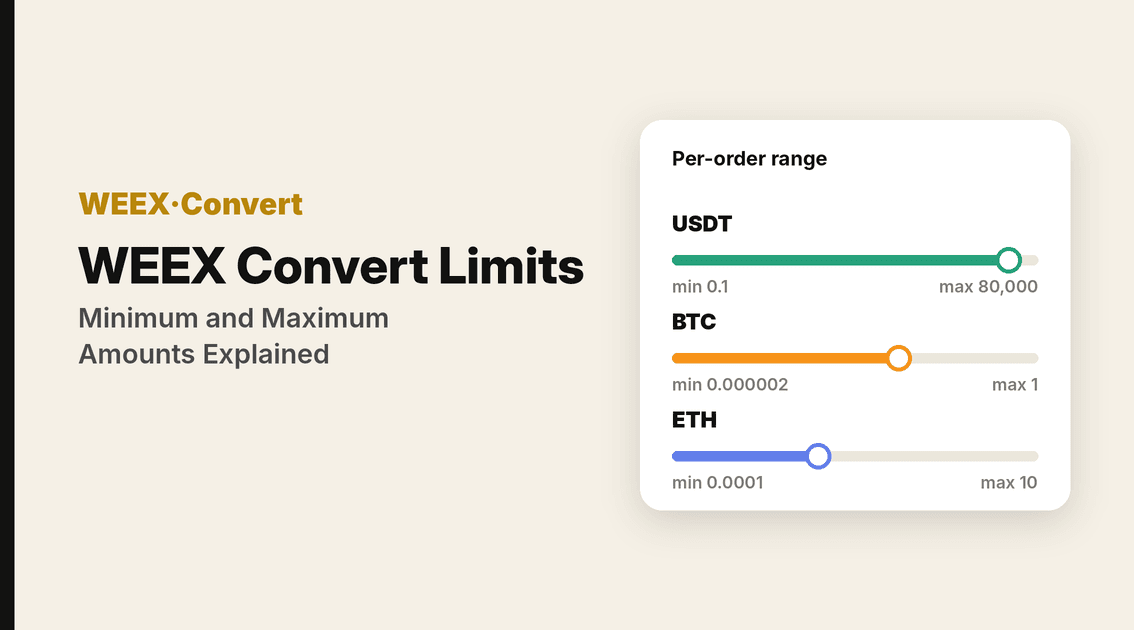
WEEX Convert Limits: Minimum and Maximum Amounts Explained
How to Check a WEEX Convert Order: History, Rate and Status

USDC Significant EMT Status in the EU: What Changes on November 12 Under MiCA
Walrus (WAL) Jumps 30%: Sui Storage Token Rallies on AI Data
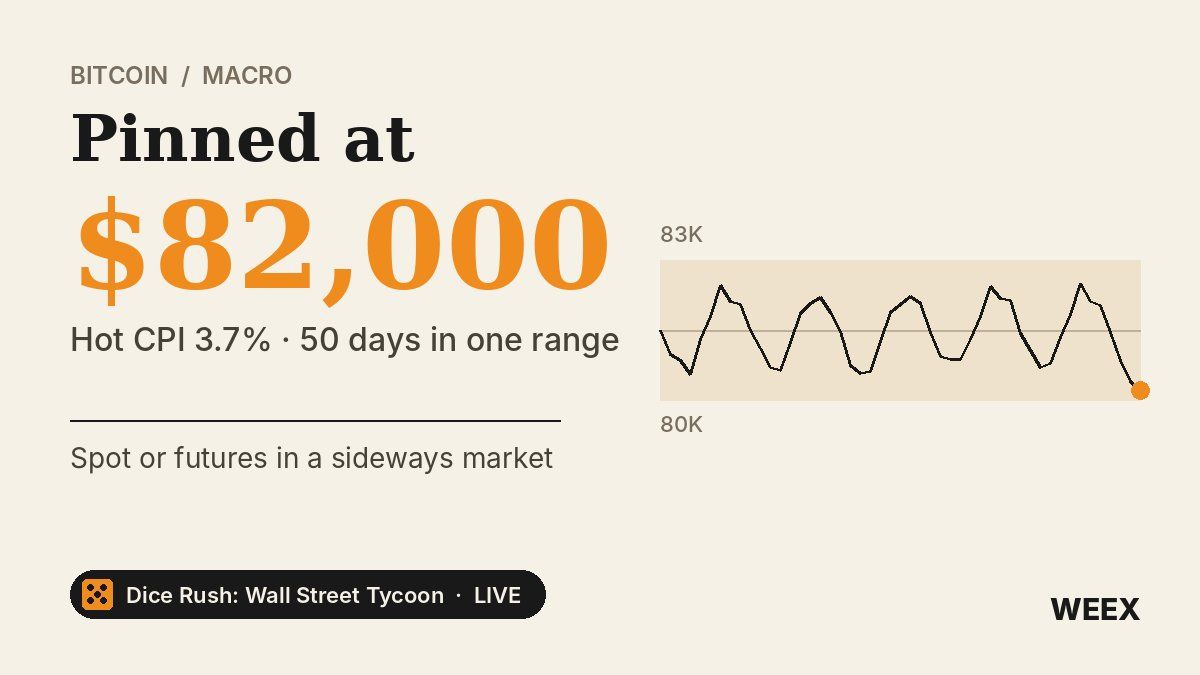
Bitcoin Price After Hot CPI: Why BTC Is Pinned Near $82,000

What Is a Limit Order? How It Works and When to Use It

Best Crypto Miner for Beginners: What to Check on Cost, Power, Hashprice and Profit Before You Buy

Limit Order vs Market Order: Which One to Use When Trading Crypto
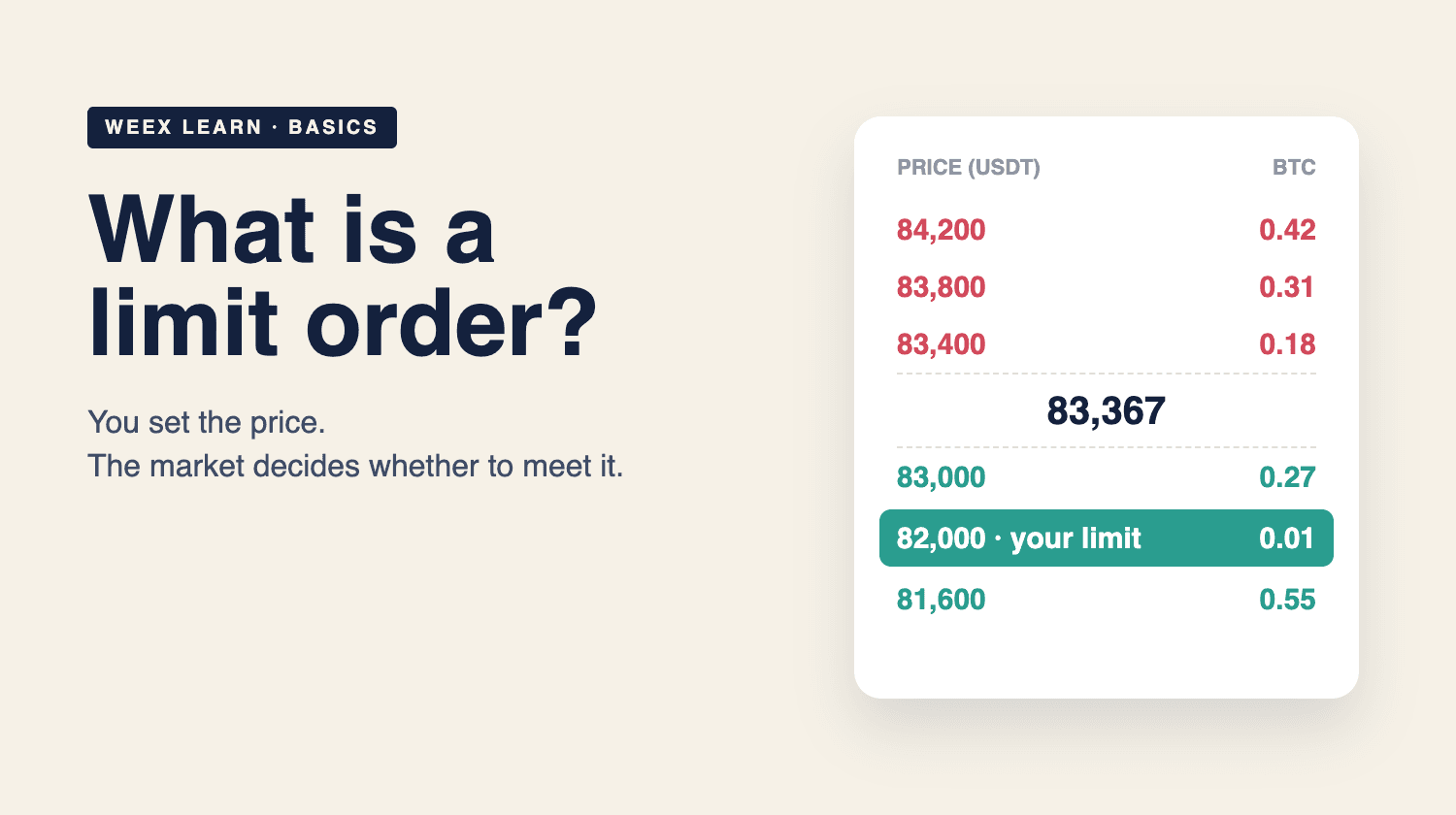
What Is a Limit Order? How It Works in Crypto With BTC Examples
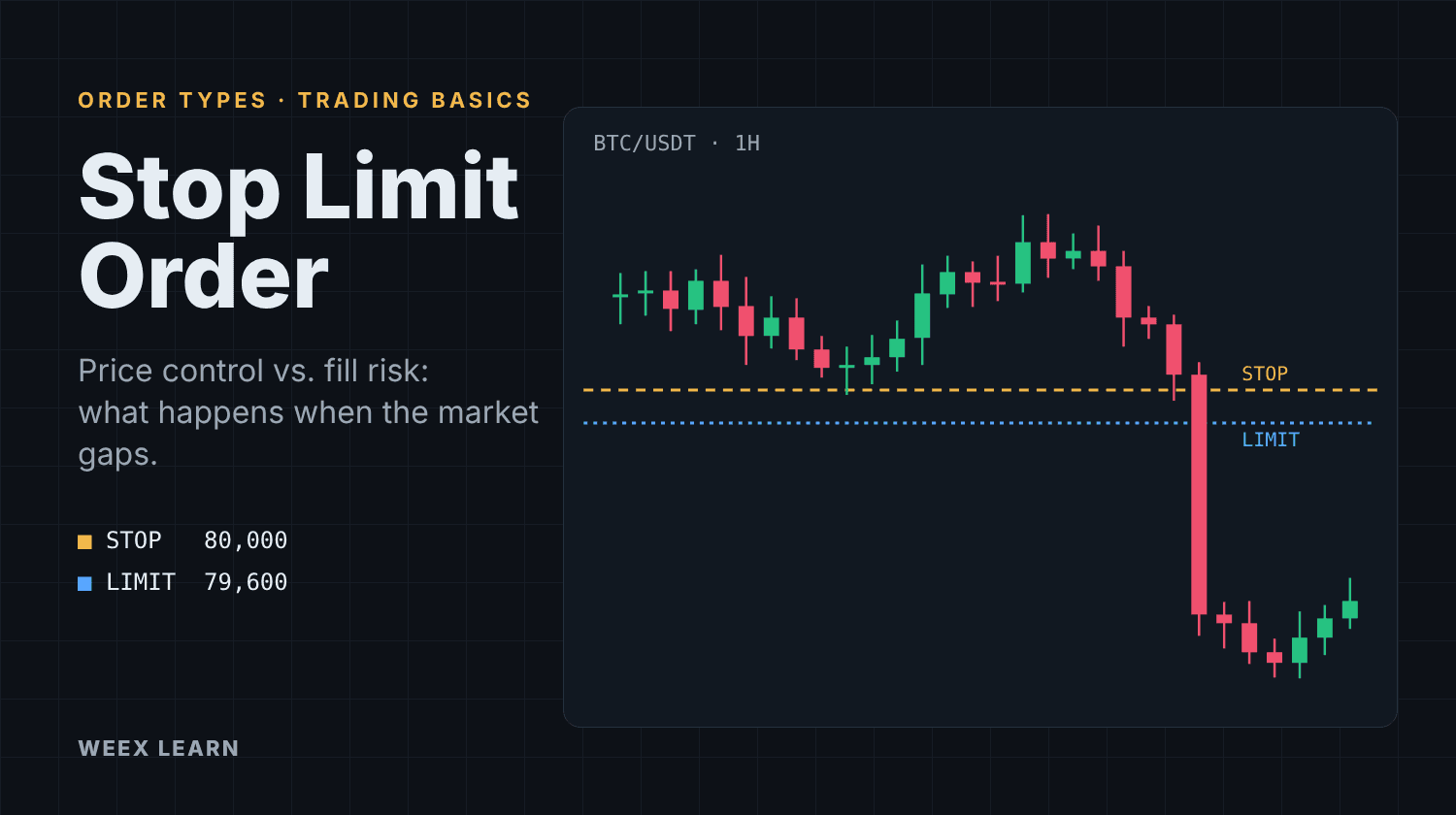
Stop Limit Order: How It Works and Why It Can Fail to Fill
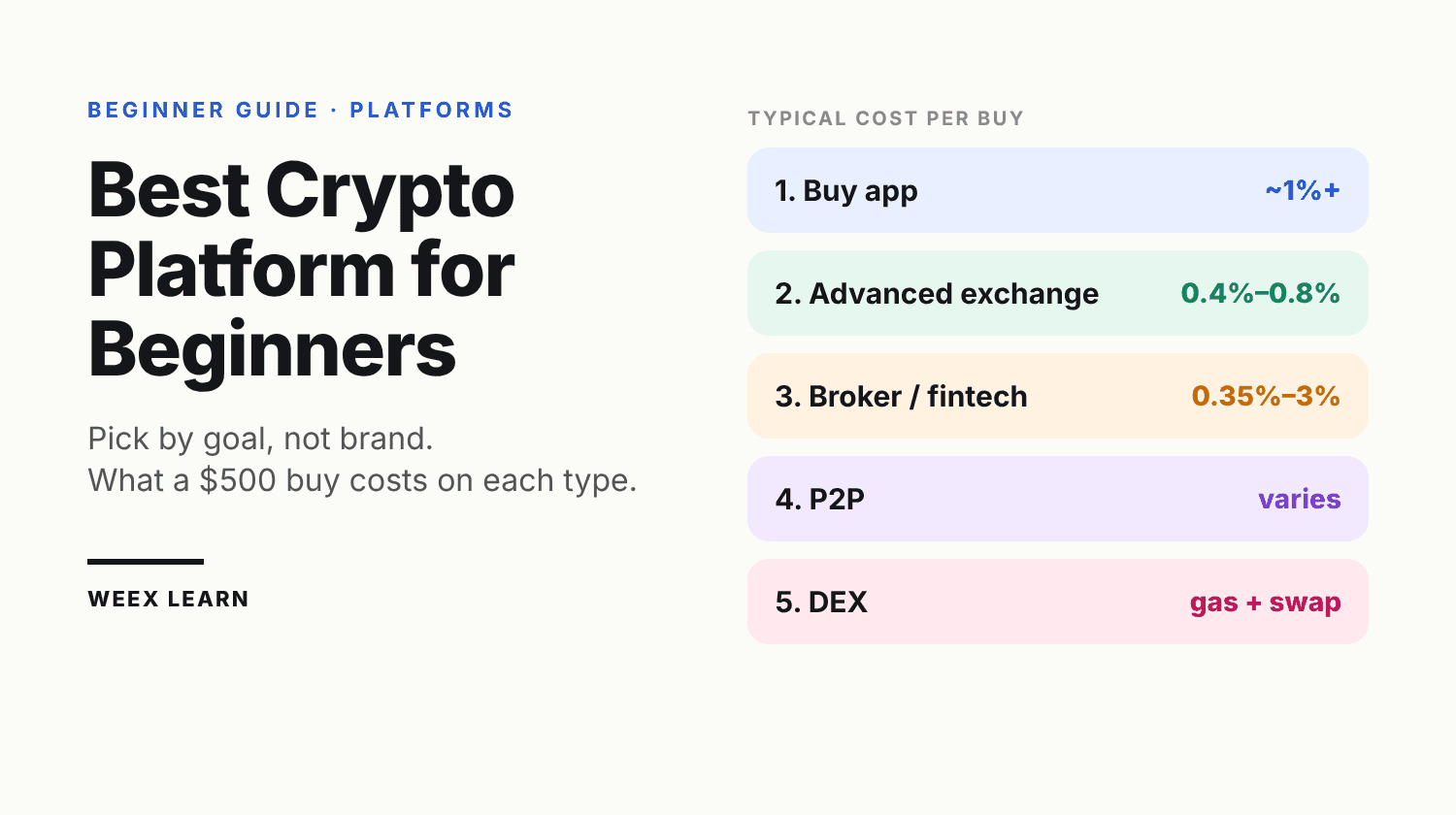
Best Crypto Platform for Beginners: Pick by Goal, Not Brand

Best Crypto Podcasts for Beginners: A 4-Week Listening Plan

How to Buy Crypto Anonymously: 5 Methods, Real Costs and Limits

Will Bitcoin Break $87,000 This Week? CPI, Fed Speakers and ETF Outflows to Watch

Conflux (CFX) Price Jumps on China's National Blockchain Network Plan: Does the Policy Actually Name CFX?
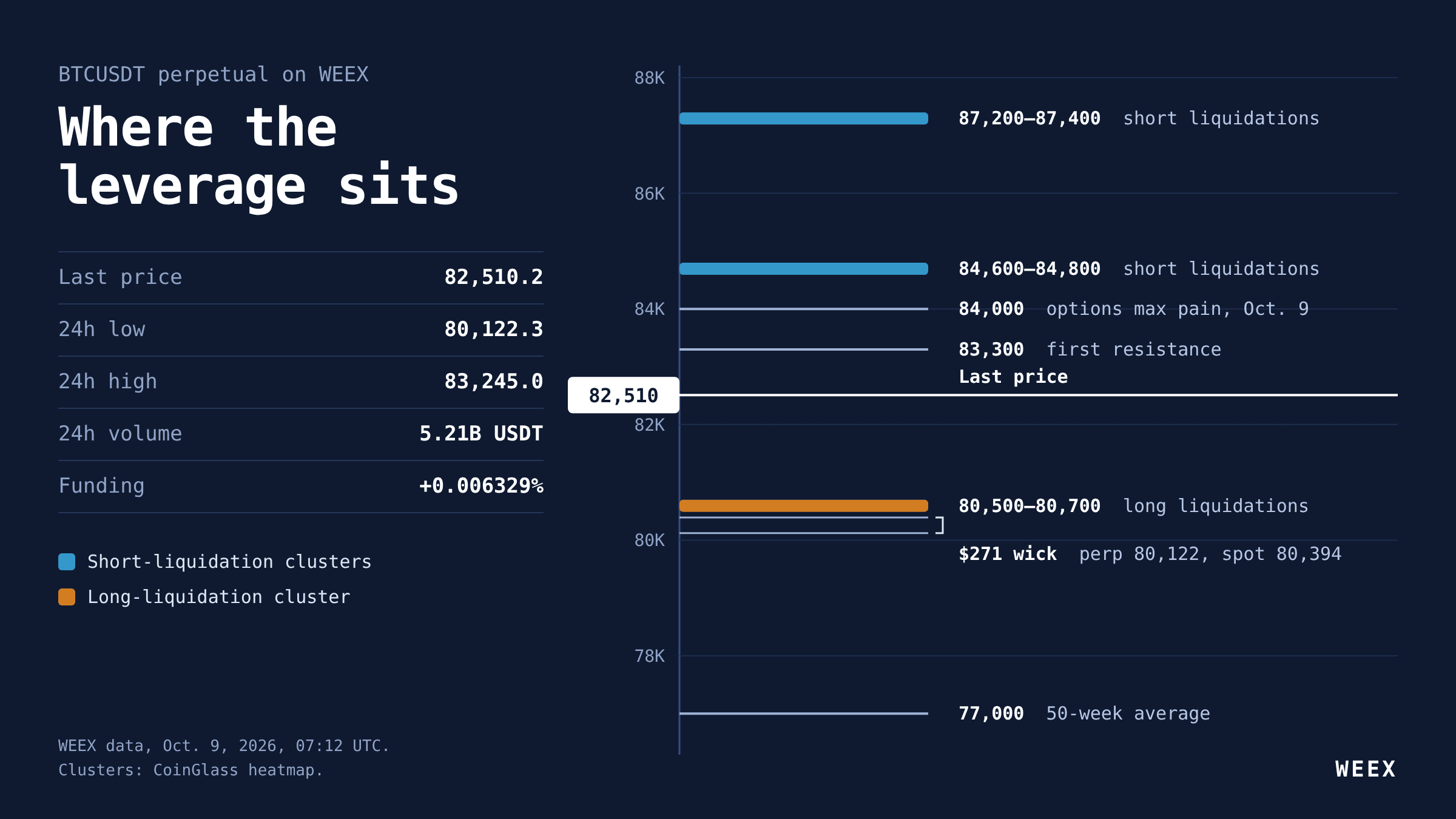
BTC Futures Analysis: $80K Held, but Longs Are Still Paying Up
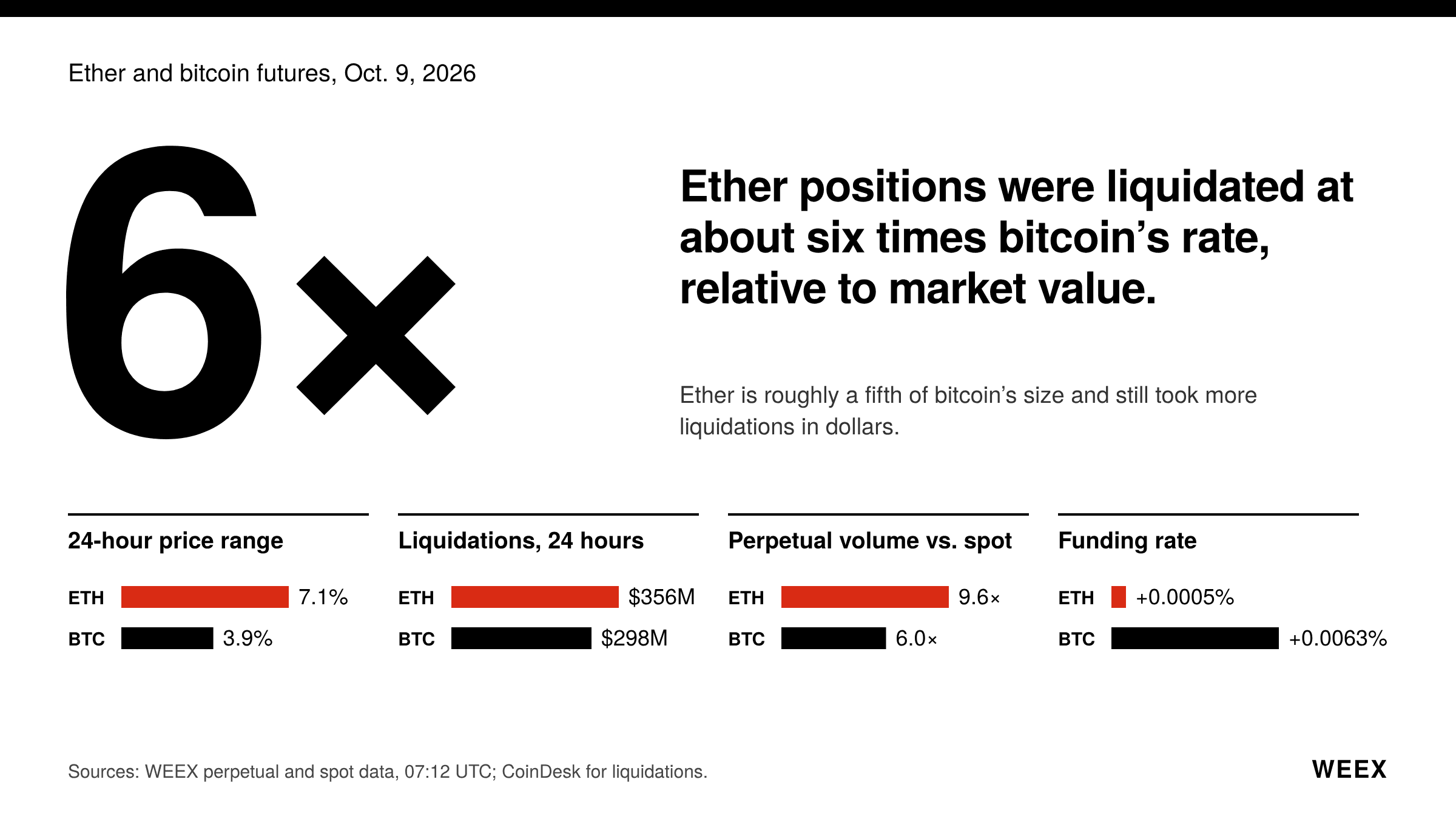
ETH Futures: Why Ether Is Falling Faster Than Bitcoin This Week
ENA Token Price Drops After October 5 Unlock: What Happened to Ethena?
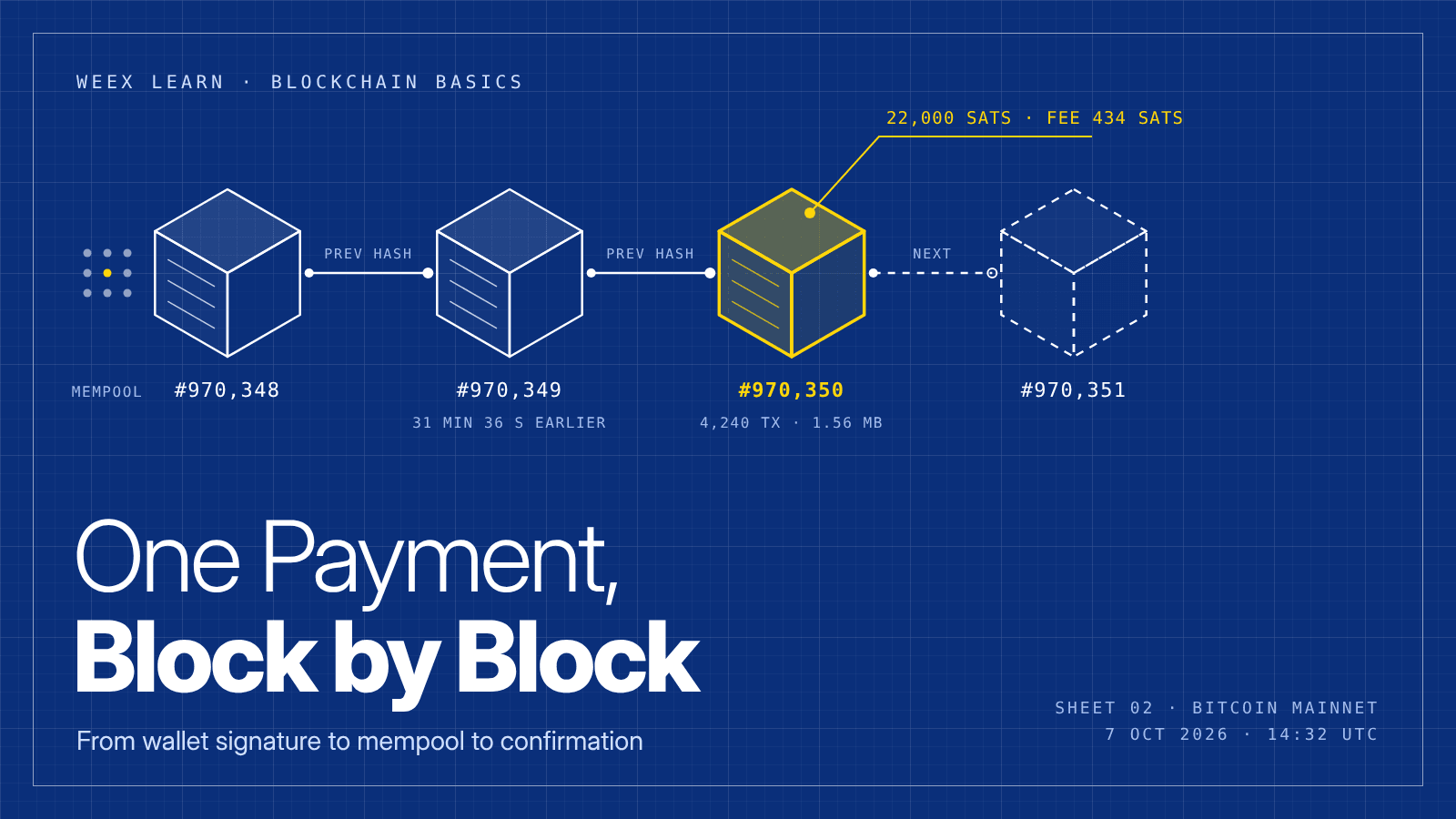
What Is Blockchain and How Does It Work? One Real Payment Traced

How to Buy Crypto With a Prepaid Card: Step-by-Step Guide
Best Crypto Trading Strategies for Beginners: What to Know Before You Trade
LayerZero Unlock October 2026: Can ZRO Hold $2 Amid Whale Inflows?
How to Buy Crypto With Apple Pay in 5 Steps: Why Your Bank May Decline the Payment

Why Does Bitcoin (BTC) Drop? How to Read a BTC Liquidation Heatmap Without Guessing the Bottom
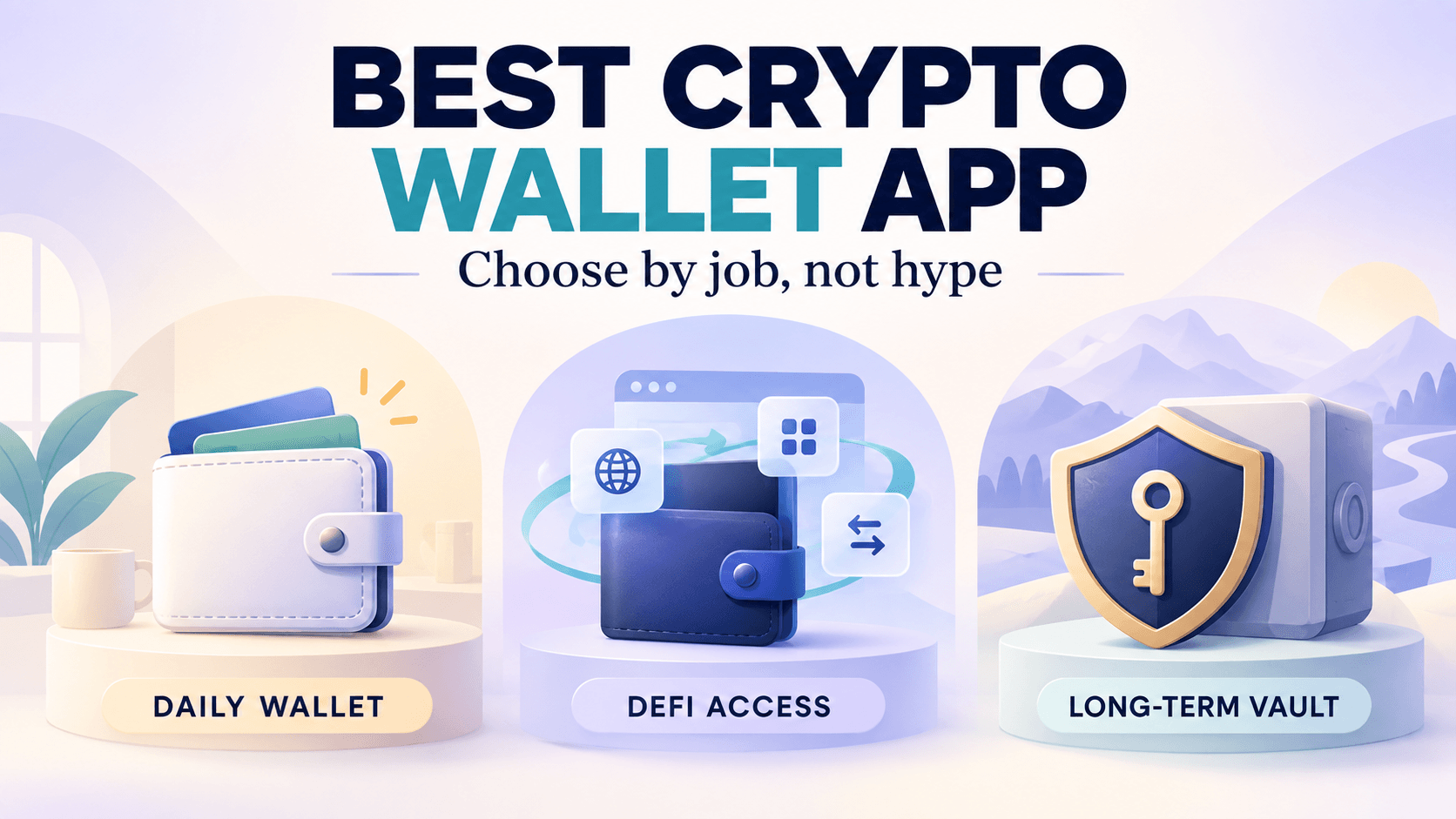
Best Crypto Wallet App in 2026: How to Choose Between Hot, Cold, Custodial, and Web3 Wallets
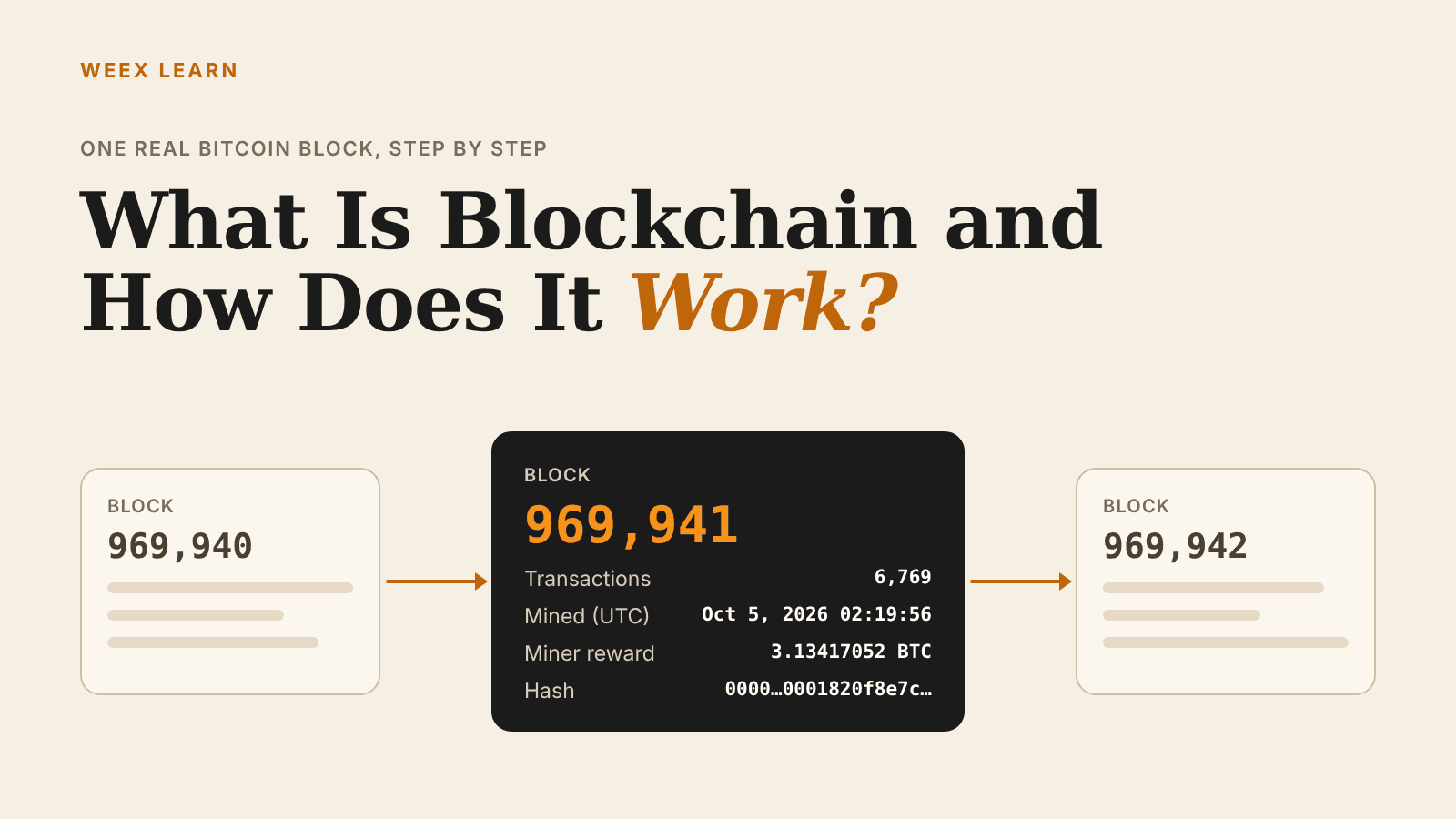
What Is Blockchain and How Does It Work? One Real Block Explained

Trading Psychology for Beginners: The Math Behind Your Emotions
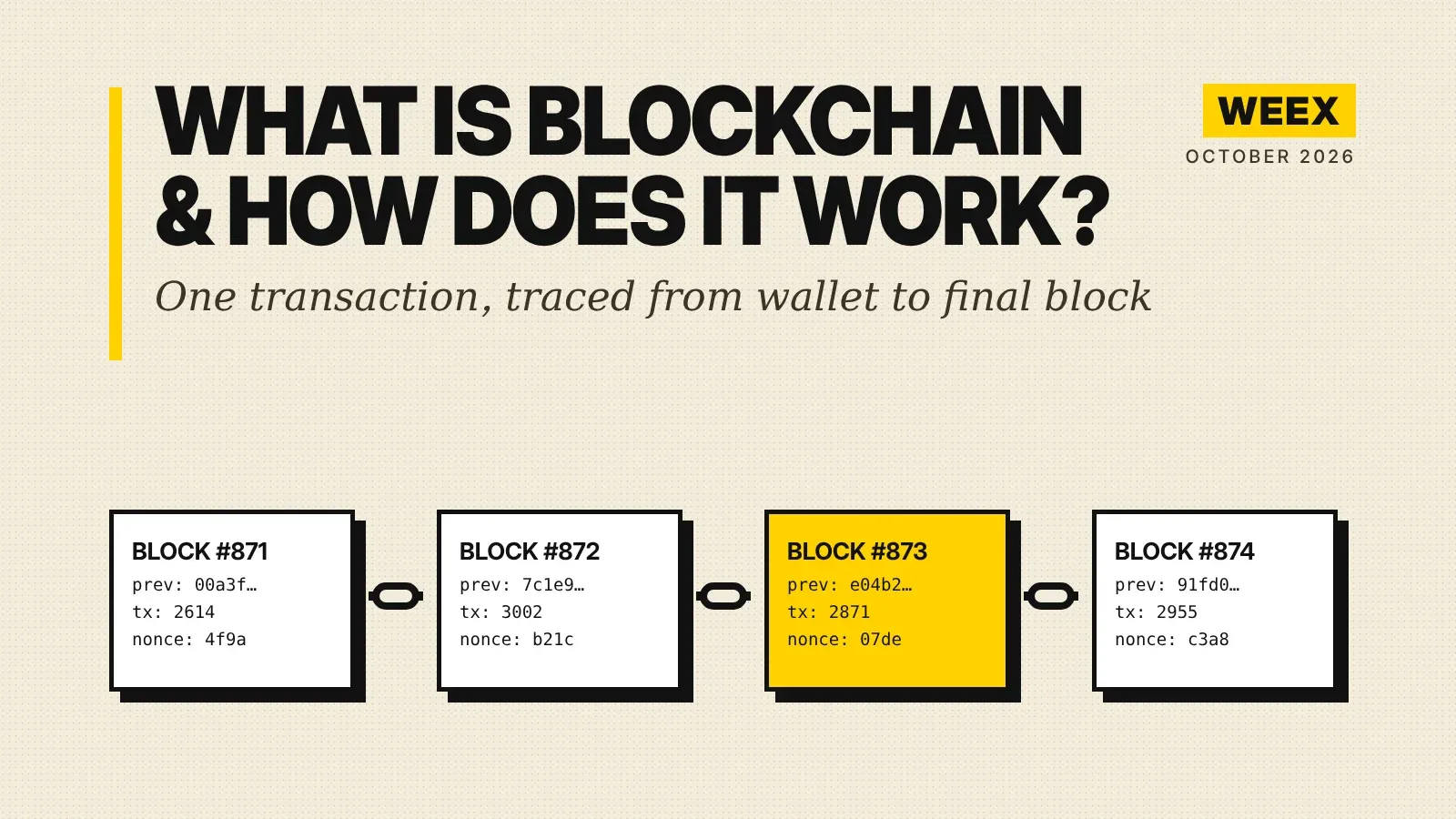
What Is Blockchain and How Does It Work? A Transaction Traced
WEEX Convert Fees: What Zero-Fee Conversion Really Costs You
WEEX Convert Quote: How the 8-Second Price Lock Really Works
WEEX Convert Limits: Minimum and Maximum Amounts Explained
How to Check a WEEX Convert Order: History, Rate and Status
USDC Significant EMT Status in the EU: What Changes on November 12 Under MiCA
Walrus (WAL) Jumps 30%: Sui Storage Token Rallies on AI Data
Contents
Popular coins
Latest articles


