
What is yesnoerror (YNE)? Everything You Need to Know

 Prefer us on Google


What is YesNoError ($YNE)?
YesNoError ($YNE) represents a pioneering initiative within the Decentralized Science (DeSci) ecosystem, merging artificial intelligence with blockchain infrastructure to critically evaluate scientific publications. The core mission of the platform is to systematically identify and help rectify computational inaccuracies, data anomalies, and procedural shortcomings present in academic research, thereby fostering greater reliability and trust in scientific literature.
How Does Yesnoerror ($YNE) Work?
Yesnoerror ($YNE) operates through a synergistic process that integrates sophisticated AI with a decentralized network of human validators. Its workflow can be summarized as follows:
AI-Powered Analysis
The platform employs specialized AI models, including OpenAI's o1, to conduct initial, automated reviews of uploaded scientific manuscripts. These systems are trained to pinpoint potential flaws in calculations, statistical analyses, and experimental methodologies.
Error Flagging
Following the AI scan, potential errors and inconsistencies are systematically tagged and cataloged within the platform. This creates a structured queue of issues requiring further investigation.
Community Verification
A global community of researchers, data scientists, and domain experts then accesses the flagged items. These contributors perform the critical task of verifying the AI's findings, providing a essential layer of human oversight and contextual understanding.
Token Rewards
Contributors who actively and accurately participate in the verification and correction process are compensated with $YNE tokens. This incentive model is designed to attract and retain a skilled community, ensuring the platform's continuous operation and high-quality output.
Integration with Decentralized Science (DeSci)
Yesnoerror is fundamentally aligned with the DeSci movement, which seeks to democratize and decentralize scientific processes. By building on blockchain technology, the platform promotes transparency, immutability of corrections, and open collaboration in scientific review.
Use Cases of yesnoerror ($YNE)
AI-Powered Scientific Paper Analysis
- Scenario Description: The platform's core function involves deploying an AI agent to conduct thorough audits of scientific manuscripts.
- Challenges: Manually identifying subtle mathematical or logical errors in dense, complex research papers is time-consuming and prone to oversight.
- Solutions: Yesnoerror's automated AI system scans papers at scale, flagging potential issues for human review with high efficiency.
- Results or Benefits: This process significantly accelerates the review cycle and enhances the overall integrity of published research.
Cryptocurrency Investment
- Scenario Description: The $YNE token is traded as a digital asset on various cryptocurrency exchanges.
- Challenges: Investors seeking exposure to the emerging DeSci sector must identify credible and functional projects.
- Solutions: By acquiring $YNE, investors can gain a financial stake in the Yesnoerror ecosystem.
- Results or Benefits: This provides a means to potentially benefit from the growth of the platform and the broader DeSci market.
Technical Analysis and Market Predictions
- Scenario Description: Market participants utilize technical analysis tools to inform their $YNE trading strategies.
- Challenges: Navigating the inherent volatility of cryptocurrency markets requires data-driven insights.
- Solutions: Traders employ charting tools and predictive analytics from platforms like CoinCodex to assess market sentiment and price trends for $YNE.
- Results or Benefits: These analyses can support more strategic and informed trading decisions.
Secure Storage of Digital Assets
- Scenario Description: Token holders secure their $YNE assets in non-custodial cryptocurrency wallets.
- Challenges: Safeguarding digital assets from potential exchange insolvencies or security breaches is paramount.
- Solutions: Utilizing hardware wallets (e.g., Ledger) or other secure, self-custody solutions provides direct control over private keys and funds.
- Results or Benefits: This practice maximizes security and ensures uninterrupted access to one's $YNE holdings.
Strategic Cryptocurrency Investment
- Scenario Description: Investors adopt structured approaches, such as Dollar-Cost Averaging (DCA), when building a position in $YNE.
- Challenges: Mitigating the impact of short-term price volatility on long-term investment goals.
- Solutions: Implementing a DCA strategy involves purchasing a fixed dollar amount of $YNE at regular intervals, regardless of price.
- Results or Benefits: This method can average out the purchase price over time, potentially reducing the risk associated with market timing.
-- Price
Pros of YesNoError ($YNE)
Innovative Use Case
YesNoError tackles a previously unaddressed niche by applying AI and blockchain to the critical task of scientific validation. Its focus on detecting mathematical and methodological flaws positions it as a unique and potentially transformative force in academic publishing.
Scalability
The platform is engineered for high throughput, with a design goal of auditing thousands of research papers each day. This capacity is essential for making a tangible impact on the vast volume of global scientific output.
Decentralized Governance
The project is committed to transitioning control to its community through a decentralized autonomous organization (DAO) model. This means $YNE token holders will ultimately have voting rights on key development and policy decisions.
Community-Driven Prioritization
The platform allows its community to influence which research areas or topics receive auditing priority. This ensures the platform's resources are directed toward the most urgent or impactful subjects as determined by its users.
Token Burn Mechanism
A deflationary mechanism is built into the tokenomics, where a portion of tokens is periodically removed from circulation ("burned"). This can create scarcity and, all else being equal, exert upward pressure on the value of the remaining $YNE tokens.
Cons of YesNoError ($YNE)
Dependence on AI Technology
The platform's core value proposition is intrinsically linked to the performance of its AI. Any inherent limitations, biases, or inaccuracies in the AI model could directly compromise the quality of its audits and undermine trust in the platform.
Market Volatility
As a cryptocurrency, $YNE is subject to significant price swings driven by broader market sentiment, speculation, and liquidity changes. Investors must be prepared for the possibility of substantial price fluctuations.
Competition in the DeSci Sector
The DeSci landscape is rapidly evolving and attracting new projects. YesNoError must continuously innovate and execute effectively to maintain a competitive edge against other platforms entering the space with similar or adjacent solutions.
Regulatory Risks
Operating at the intersection of AI, blockchain, and science places the project in a novel and uncertain regulatory environment. Future regulations concerning any of these domains could impact the platform's operations and adoption.
FAQ
Should I buy yesnoerror (YNE)?
There is no guaranteed outcome for the future price of YNE. Making an informed decision requires thorough personal research. It is crucial to evaluate your individual financial situation and risk tolerance. A comprehensive assessment should include both technical analysis (studying price charts) and fundamental analysis (evaluating the project's merits, team, and market potential).
Is yesnoerror considered a good investment?
The cryptocurrency market is inherently volatile. Therefore, independent due diligence and a clear understanding of the risks involved are indispensable before investing. We strongly recommend analyzing YNE's price history, market cycles, and overall tokenomics to determine if it aligns with your investment strategy.
Further Reading
- What Is Story (IP) and How Does It Work?
- What Is Fartcoin (FARTCOIN) and How Does It Work?
- What Is Momentum (MMT)?
Disclaimer: The opinions expressed in this article are for informational purposes only. This article does not constitute an endorsement of any of the products and services discussed or investment, financial, or trading advice. Qualified professionals should be consulted prior to making financial decisions.
This content is provided for general informational purposes only and doesn't constitute financial, investment, legal, or tax advice. Any events, rewards, online promotions, or related information mentioned herein should not be considered a recommendation, solicitation, or invitation to purchase, sell, trade, or otherwise deal in any crypto assets. Crypto assets are highly volatile and may result in loss. The availability of WEEX services, products, and related events may vary by region. You are responsible for ensuring that your participation is in accordance with applicable local laws and regulations.
You may also like
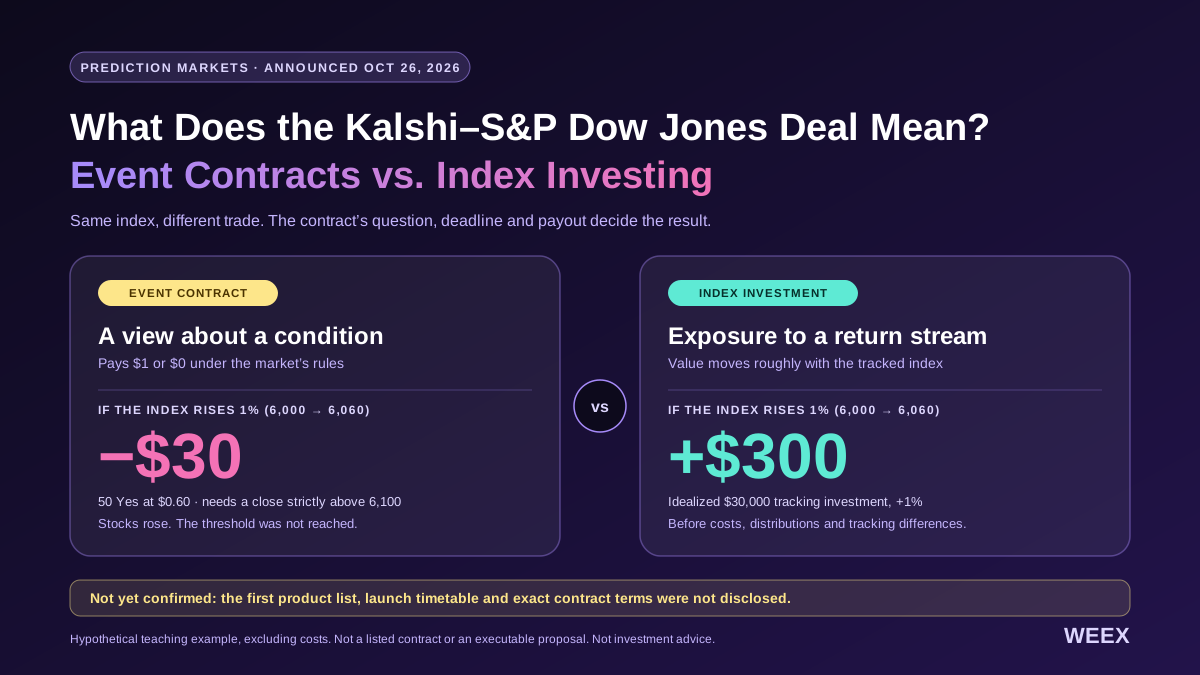
What Does the Kalshi–S&P Dow Jones Deal Mean? Event Contracts vs. Index Investing
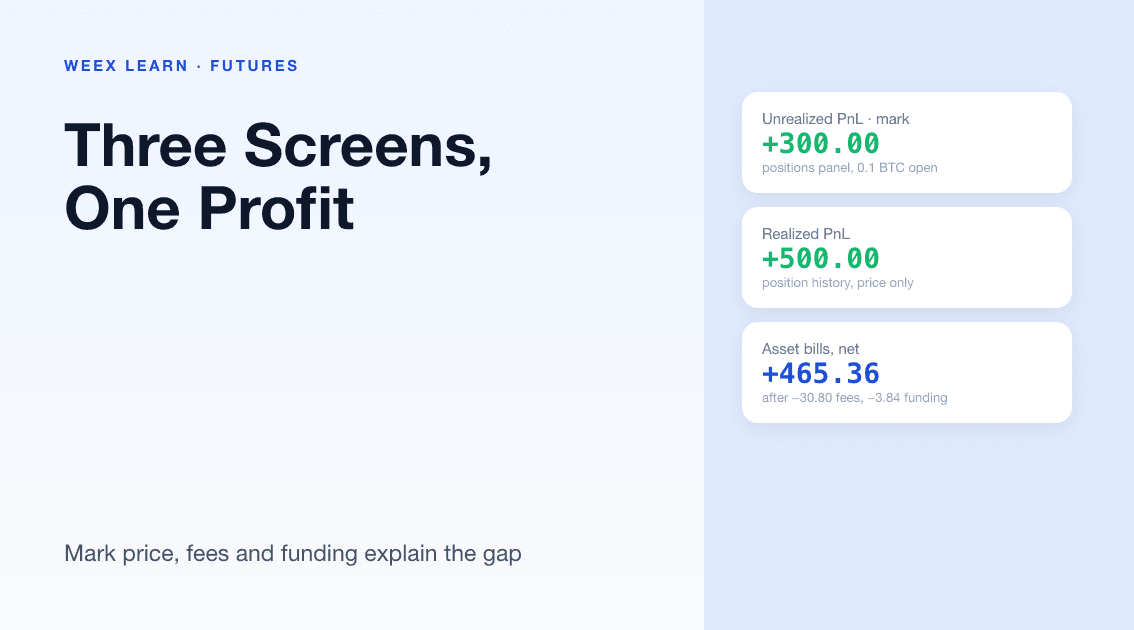
Tokenized Stocks Explained: What to Check Before You Trade
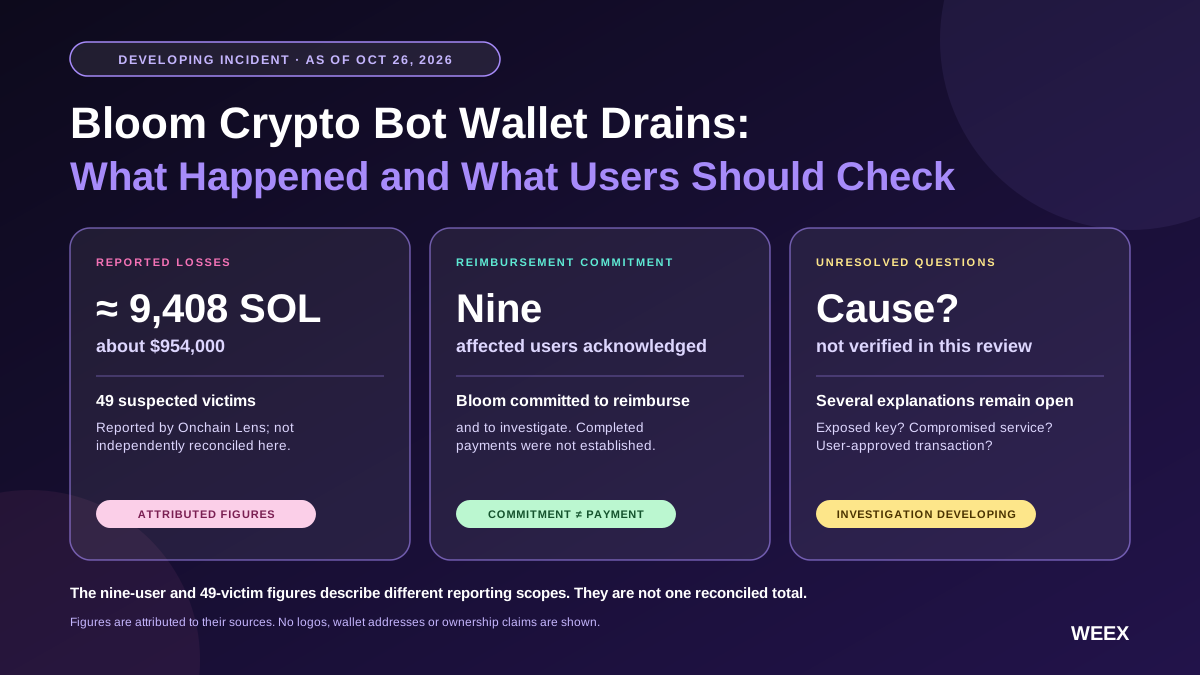
Bloom Crypto Bot Wallet Drains: What Happened and What Users Should Check
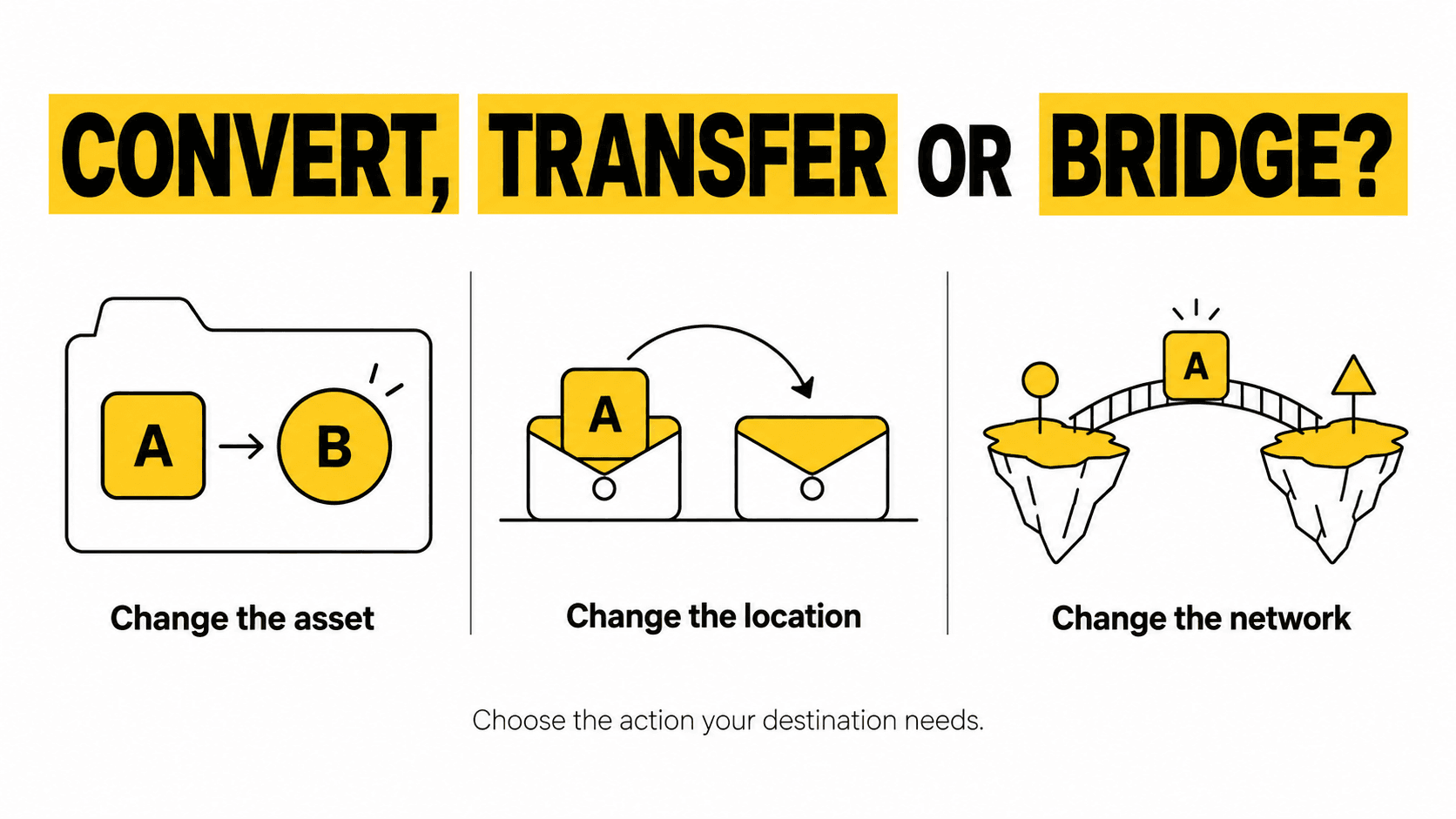
Crypto Convert vs Transfer vs Bridge: Which Action Do You Need?

Is United States Dividend Fund (USDF) Legit? What Website Checks and Reddit Actually Show
What Is Kimchi Crypto Trader’s Net Worth? Examining the $40 Million Claim

How to Trade Gold in Forex: What XAU/USD Is, How Pips and Lots Work and the Risks to Know
Is Your Crypto Wallet Safe? How to Verify Security Alerts and Spot Phishing
What Is Leverage Trading in Crypto? A Beginner’s Guide With Simple Examples
Fake Crypto Payments: What to Check Before Handing Over Goods

What Is Blockchain Interoperability? How Cross-Chain Bridges and Messaging Work

Best Crypto Trading Strategies for Beginners: What to Know Before You Trade
WEEX Broker Models: Strategy Bots, Copy Trading and Sub-Exchanges
What Is Orca (ORCA) Crypto? The Solana DEX, USDY Liquidity, and the ORCA Name Confusion
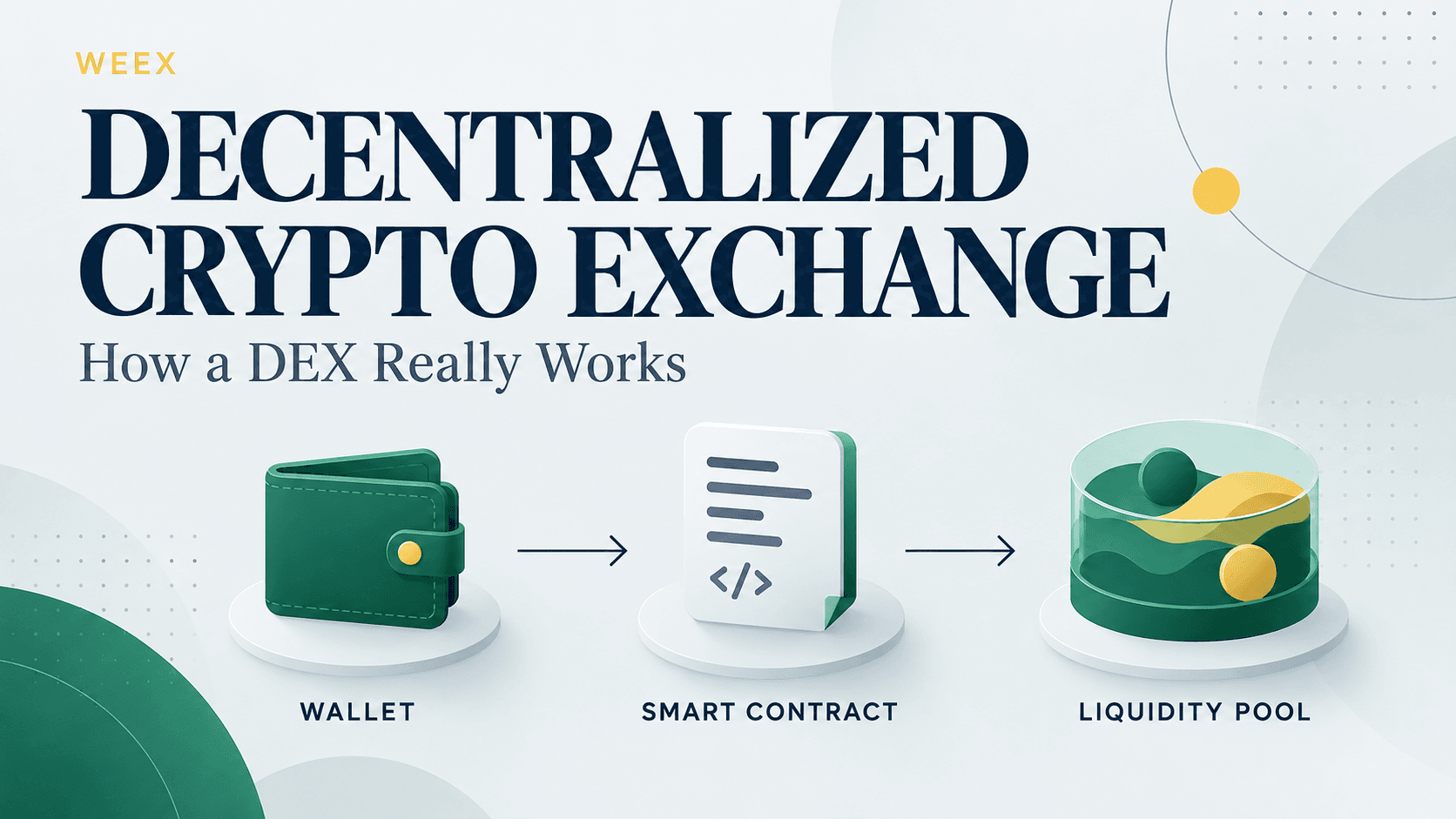
What Is a Decentralized Crypto Exchange (DEX)? How It Works, Costs, Risks, and When to Use One
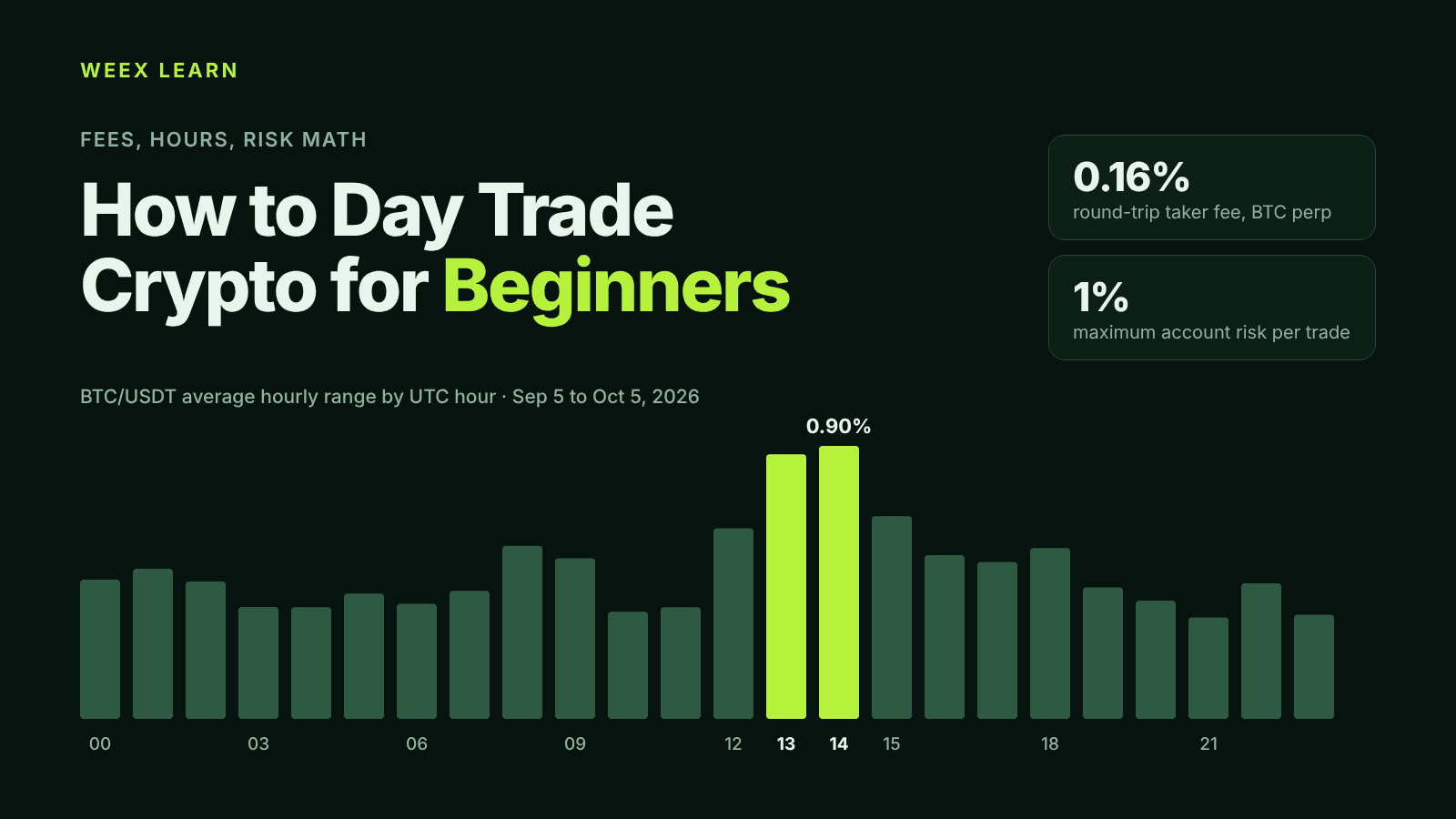
How to Day Trade Crypto for Beginners: Fees, Hours, Risk Math

Self-Custody Wallets: When a Crypto Transfer Must Be Reported to Brazil's Coaf
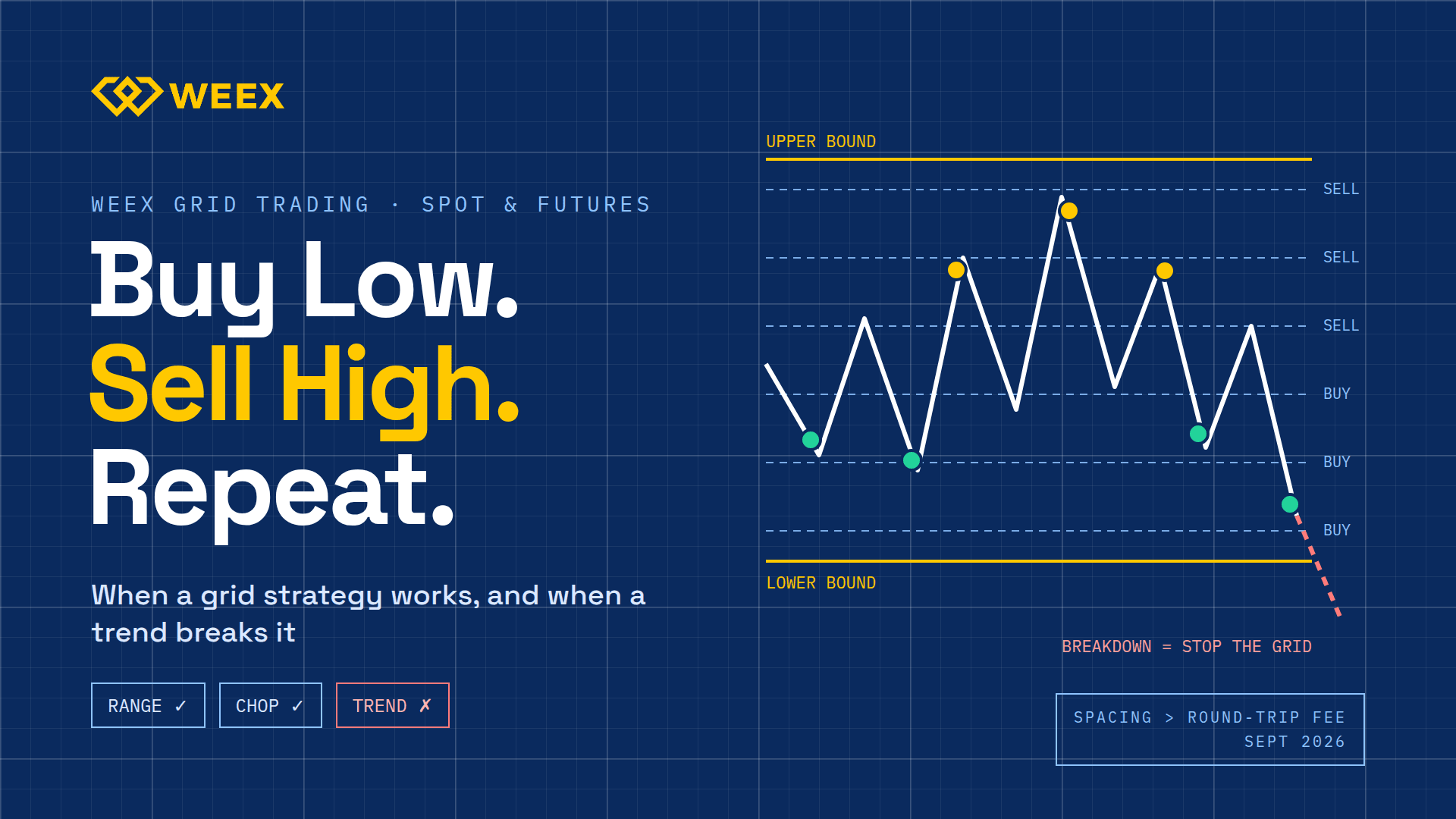
WEEX Grid Trading: When a Grid Strategy Works and When It Fails
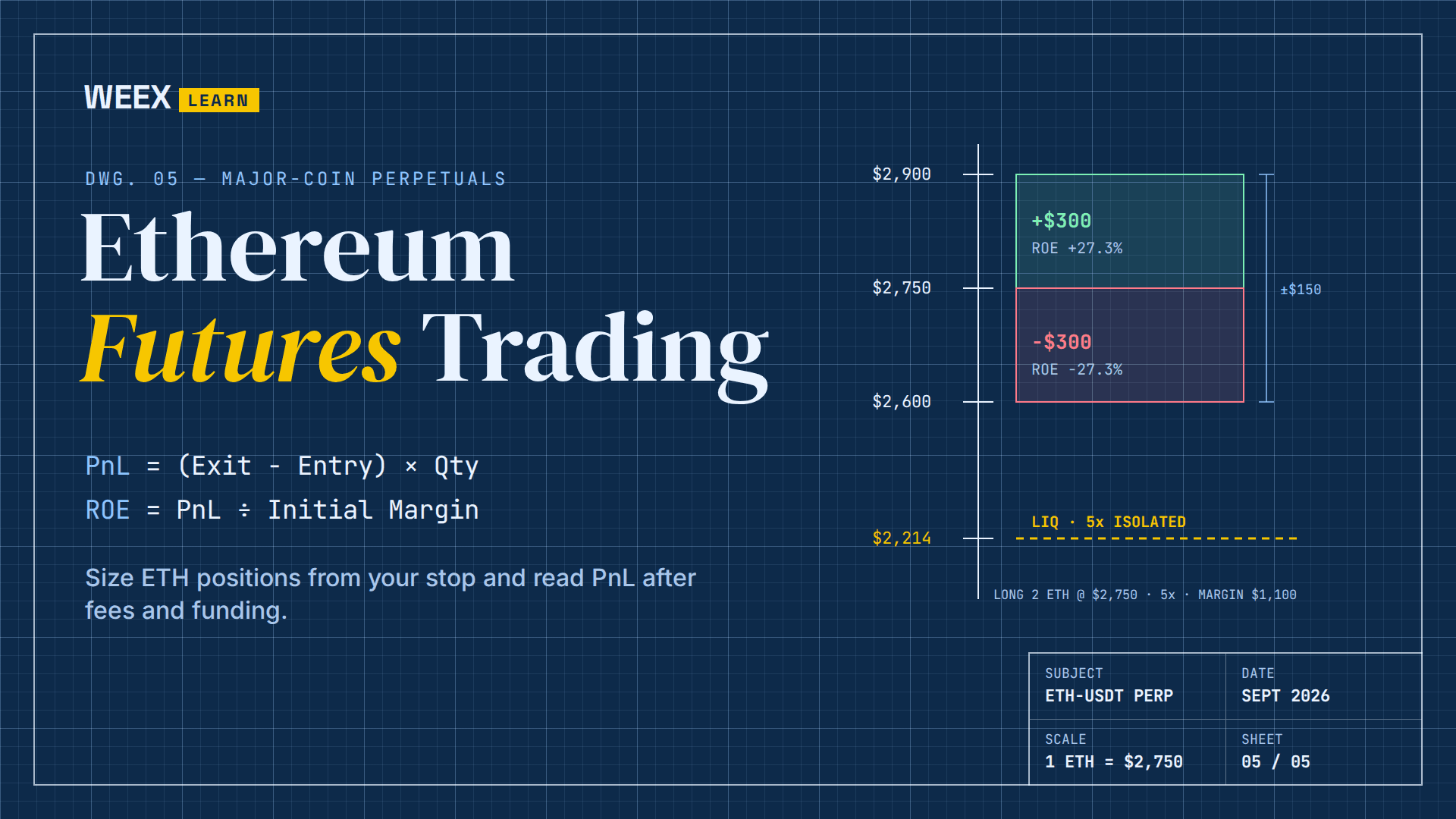
Ethereum Futures Trading: How to Size ETH Positions and Read PnL

What Is a White Label Crypto Exchange? A Complete Beginner's Guide
Is Hyperliquid Safe? Risks You Should Know Before You Trade

What a Blockchain Explorer Can and Cannot Tell You

How to Look Up a Wallet Address and Transaction History
How to Verify a Crypto Transaction With a Blockchain Explorer?
BTC Futures Trading on WEEX: Claim BTC Rewards Before Sep 25
What Is a Funding Rate? How Perpetual Futures Charge Longs and Shorts
Perpetual Futures for Beginners: Margin, Funding and Liquidation Explained
What the LUSD Attack Shows About DeFi Risk
What Is BONK? WEEX Spot and 1000BONK Futures Status and Risk Checks
What Is BRETT? WEEX Spot and Futures Status and Risk Checks
What Does the Kalshi–S&P Dow Jones Deal Mean? Event Contracts vs. Index Investing
Tokenized Stocks Explained: What to Check Before You Trade
Bloom Crypto Bot Wallet Drains: What Happened and What Users Should Check
Crypto Convert vs Transfer vs Bridge: Which Action Do You Need?
Is United States Dividend Fund (USDF) Legit? What Website Checks and Reddit Actually Show
What Is Kimchi Crypto Trader’s Net Worth? Examining the $40 Million Claim





