
Is Bitcoin a Store of Value?

 Prefer us on Google
Traditional safe-haven assets like gold have long been investors' go-to during market instability. Now, Bitcoin emerges as a potential modern alternative, sparking debate about its viability as a true store of value.
This article examines Bitcoin's case - analyzing both sides of the argument to determine if it truly belongs in the safe-haven category.
What is a store of value?
The term store of value is used to describe the property of an asset that is able to avoid depreciation over a long period of time. So to be considered a store of value, an asset should have its value either stable or increase over time - but never decreasing.
When you think of such a “safe haven” asset, gold or silver probably come to mind. There are a handful of reasons why these have traditionally held value, which we’ll get into shortly.
What makes something a great store of value?
There are several factors that make something a store of value. It’s important to note that something can still be a good store of value even though it doesn’t meet all factors.
1.Widely accepted - Accessible to everyone
Market consensus validates an asset's store-of-value status—the broader its acceptance, the stronger its value preservation becomes.
2.Durable over time - It doesn’t depreciate
A true store of value must maintain its worth consistently - whether measured in years, decades, or centuries. Precious metals like gold and silver exemplify this perfectly, having preserved wealth across millennia.
3.Scarce - Limited supply
Scarcity preserves value by preventing dilution - unlike fiat currencies that can be printed endlessly, Bitcoin's fixed 21 million supply creates digital scarcity, measurable through the stock-to-flow model.
4.Liquid - Easy to buy and sell
You should be easily able to swap the money / asset for cash quickly and easily. Essentially, there needs to be a strong market of people perpetually wanting to buy a store of value.
The case for Bitcoin as a store of value
Since its inception, Bitcoin has been championed as "digital gold" rather than just currency—a narrative embraced by growing numbers of supporters. Advocates position it as humanity's soundest asset, uniquely designed to preserve wealth against devaluation over time.
Despite notorious price swings (sometimes 20% daily drops), Bitcoin remains history's top-performing asset class. This paradox challenges traditional store-of-value definitions yet underscores its resilience.
So, why has Bitcoin been hailed as a store of value?
Scarcity
Bitcoin's 21 million hard cap makes it uniquely scarce—new coins only enter circulation via mining, which solves cryptographic puzzles (not physical digging). Halvings cut block rewards periodically (from 50 BTC in 2009 to 3.125 BTC in 2024), ensuring controlled supply growth.
Unlike fiat, owning 25% of Bitcoin’s supply today guarantees the same share forever—no central authority can dilute your holding. This programmed scarcity underpins its store-of-value case.
Decentralization
Yes, you could fork Bitcoin's code to create a version with 100 million coins—but no one would recognize it as "real" Bitcoin. The network automatically rejects modified clients, just as art experts wouldn't accept a photocopy as the Mona Lisa.
Bitcoin's governance comes from its decentralized users. Changing the 21 million cap would require majority consensus—an impossible task since holders won't vote to devalue their own assets. Even minor upgrades take years to implement.
This makes Bitcoin's scarcity more like gold's natural limits than software preferences. As adoption grows, altering its monetary policy becomes increasingly improbable—giving holders mathematical certainty against inflation.
Portability
Portability measures how easily an asset can be transported. While $10,000 in cash is manageable, equivalent value in oil or gold becomes cumbersome. Good currency must be compact for daily transactions.
Though gold coins offer decent portability (≈$1,500/oz), Bitcoin surpasses all physical assets. With no physical form, billions in value fit on a thumb-sized device. Transferring $1B in gold (20+ tons) or cash (pallet-loads) costs massively more than a Bitcoin transaction (under $1 fee).
-- Price
Closing thoughts
Bitcoin mirrors gold's key store-of-value traits: finite supply, decentralized security, and value transferability. However, its status as a proven safe-haven asset remains unconfirmed. While it could emerge as a mainstream refuge during economic crises, adoption might also remain niche. Only time will reveal Bitcoin's ultimate role in wealth preservation.
This content is provided for general informational purposes only and doesn't constitute financial, investment, legal, or tax advice. Any events, rewards, online promotions, or related information mentioned herein should not be considered a recommendation, solicitation, or invitation to purchase, sell, trade, or otherwise deal in any crypto assets. Crypto assets are highly volatile and may result in loss. The availability of WEEX services, products, and related events may vary by region. You are responsible for ensuring that your participation is in accordance with applicable local laws and regulations.
You may also like
WEEX Convert Fees: What Zero-Fee Conversion Really Costs You

WEEX Convert Quote: How the 8-Second Price Lock Really Works
WEEX Convert Limits: Minimum and Maximum Amounts Explained
How to Check a WEEX Convert Order: History, Rate and Status
USDC Significant EMT Status in the EU: What Changes on November 12 Under MiCA
Walrus (WAL) Jumps 30%: Sui Storage Token Rallies on AI Data
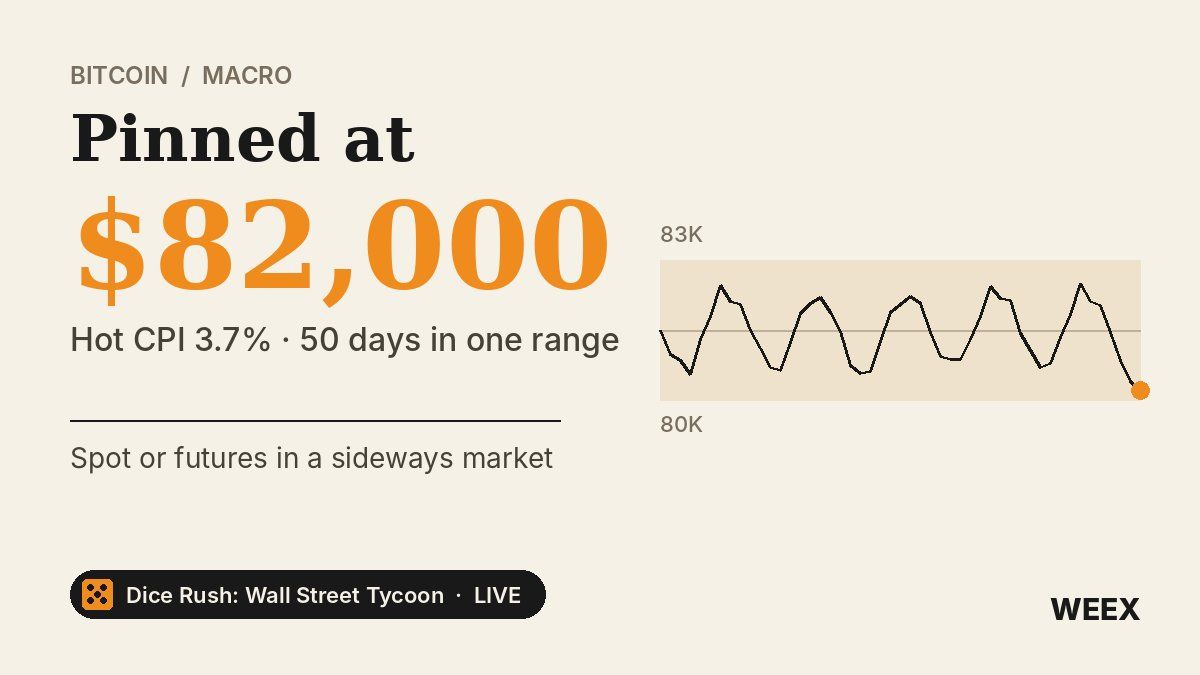
Bitcoin Price After Hot CPI: Why BTC Is Pinned Near $82,000

What Is a Limit Order? How It Works and When to Use It
Best Crypto Miner for Beginners: What to Check on Cost, Power, Hashprice and Profit Before You Buy

Limit Order vs Market Order: Which One to Use When Trading Crypto
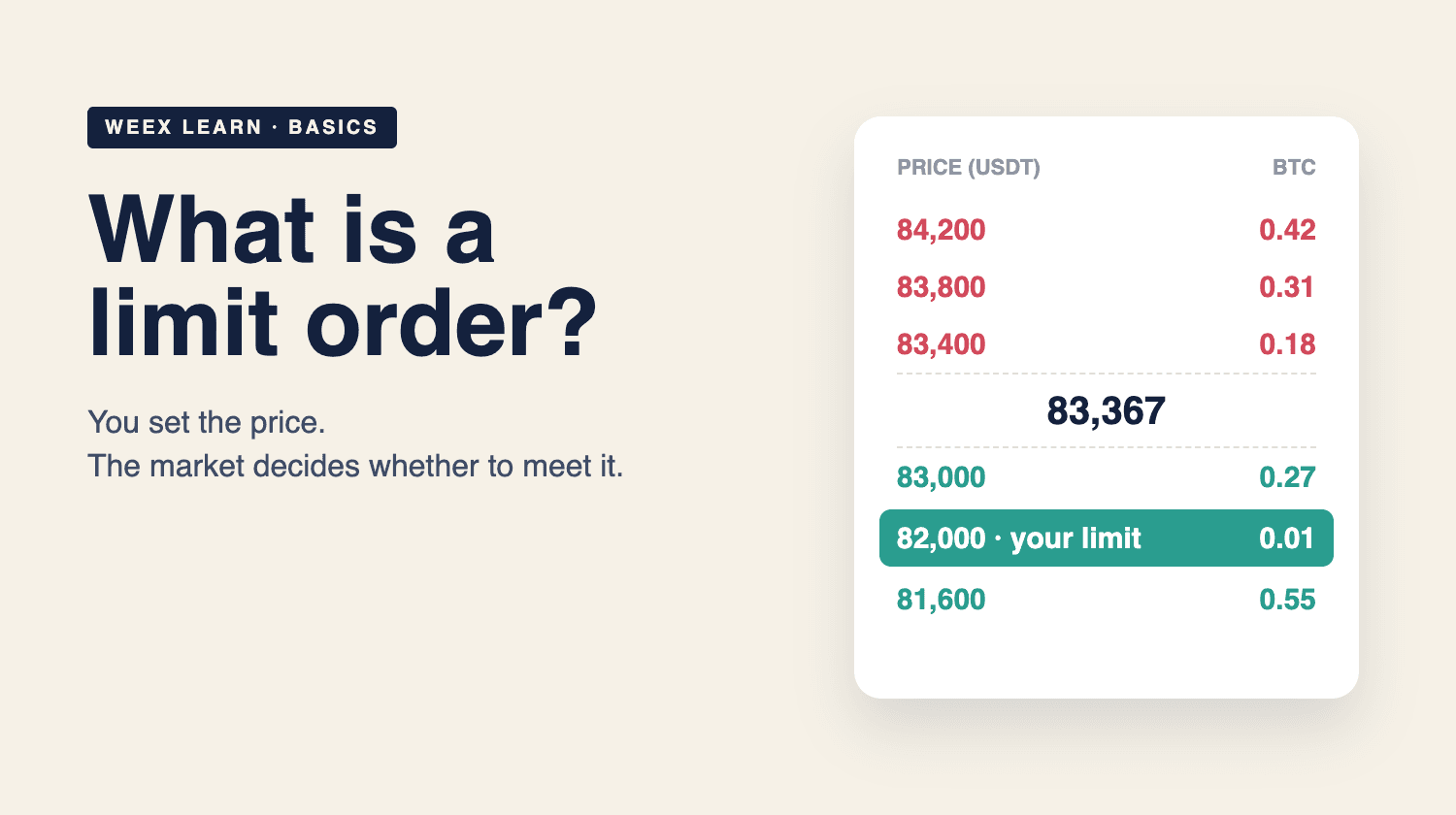
What Is a Limit Order? How It Works in Crypto With BTC Examples
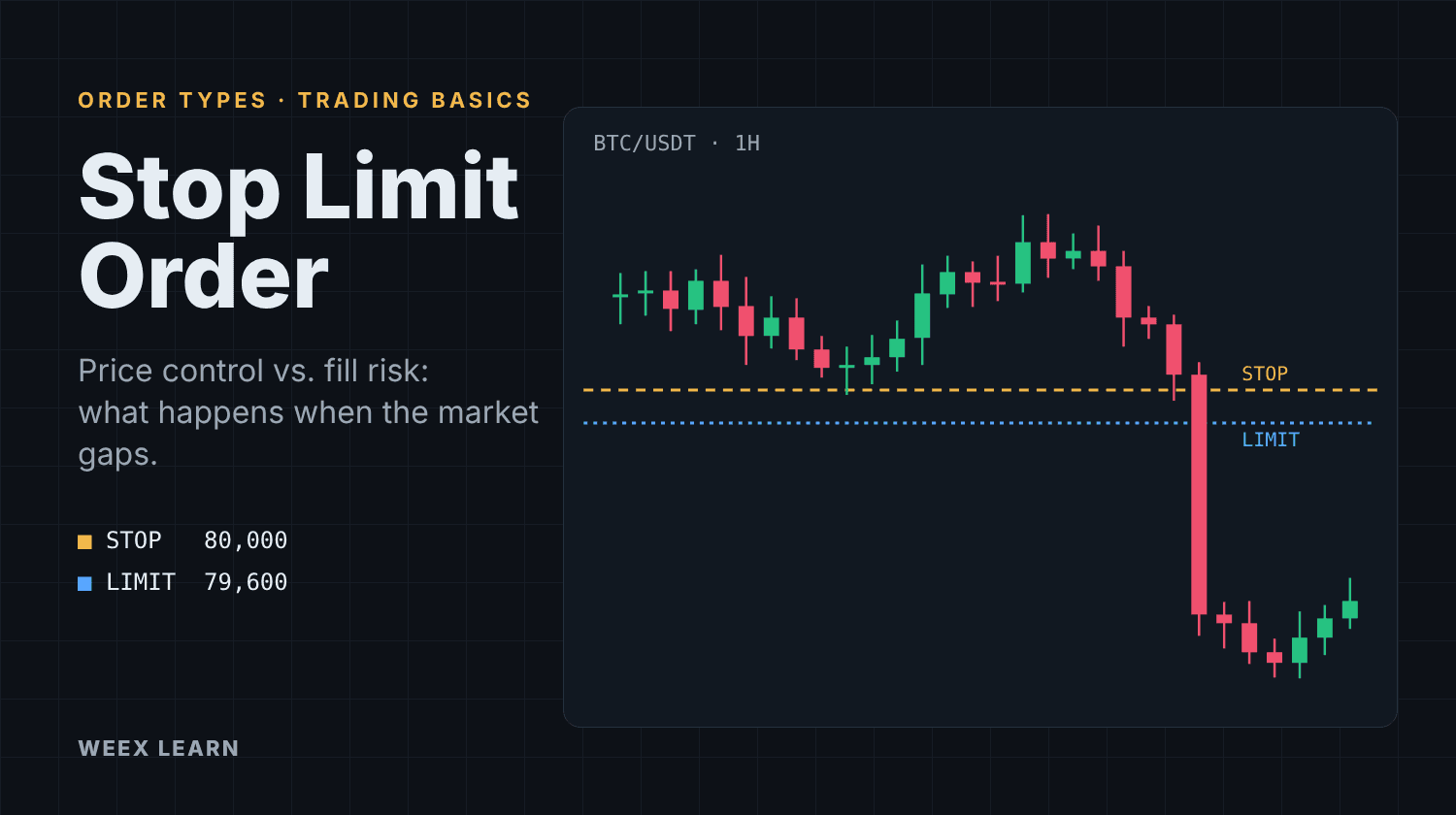
Stop Limit Order: How It Works and Why It Can Fail to Fill
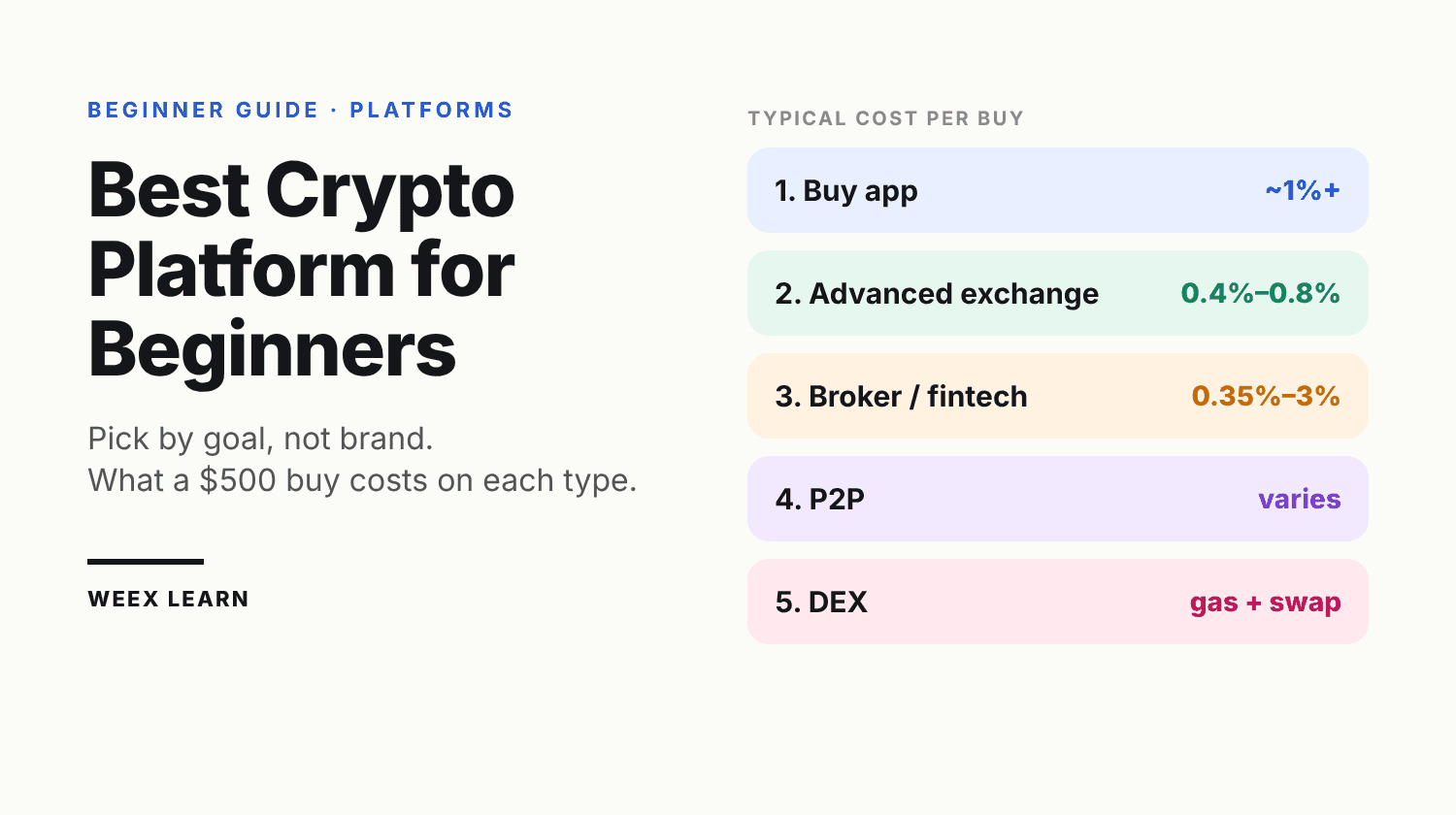
Best Crypto Platform for Beginners: Pick by Goal, Not Brand

Best Crypto Podcasts for Beginners: A 4-Week Listening Plan
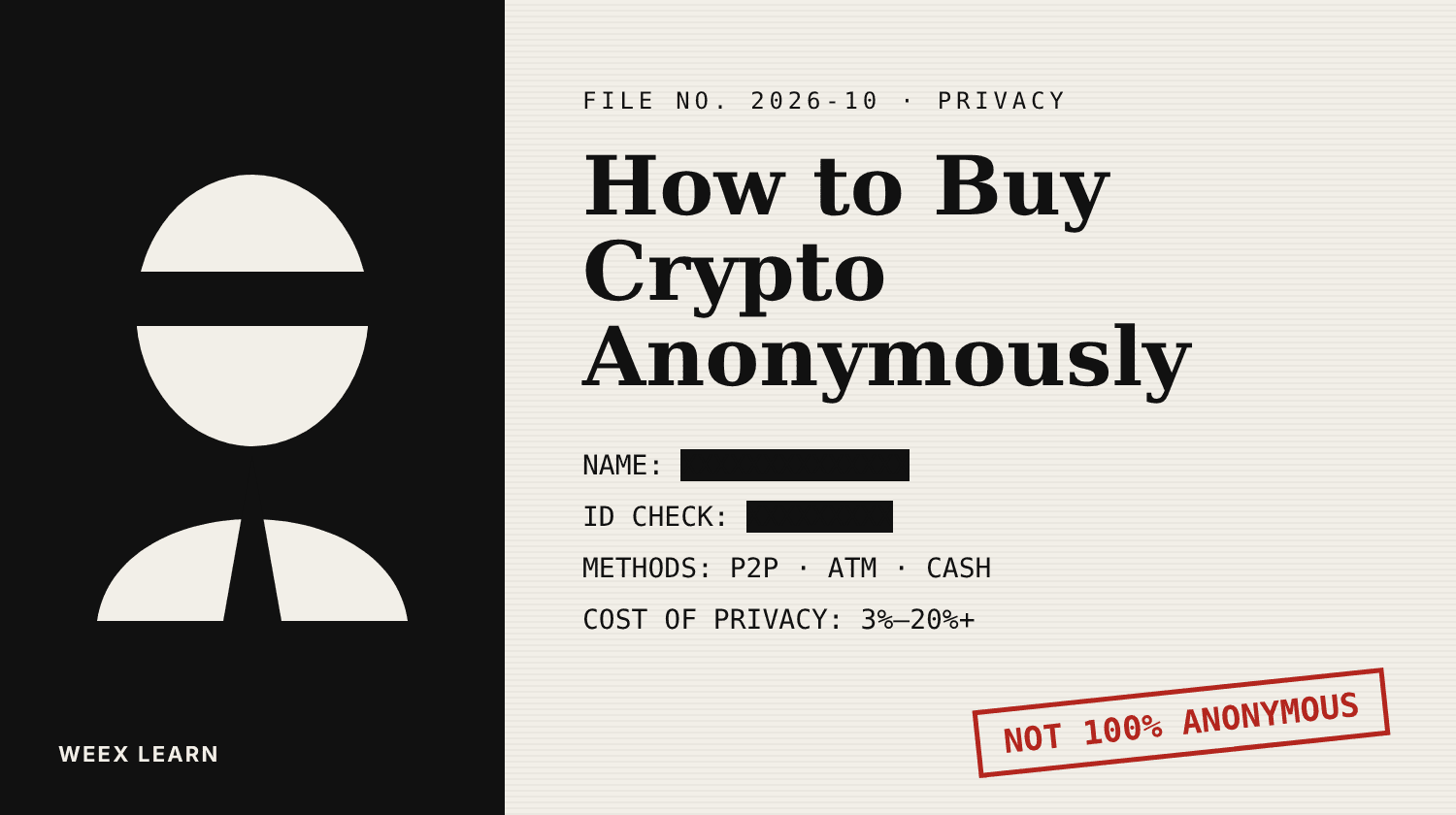
How to Buy Crypto Anonymously: 5 Methods, Real Costs and Limits
Will Bitcoin Break $87,000 This Week? CPI, Fed Speakers and ETF Outflows to Watch
Conflux (CFX) Price Jumps on China's National Blockchain Network Plan: Does the Policy Actually Name CFX?
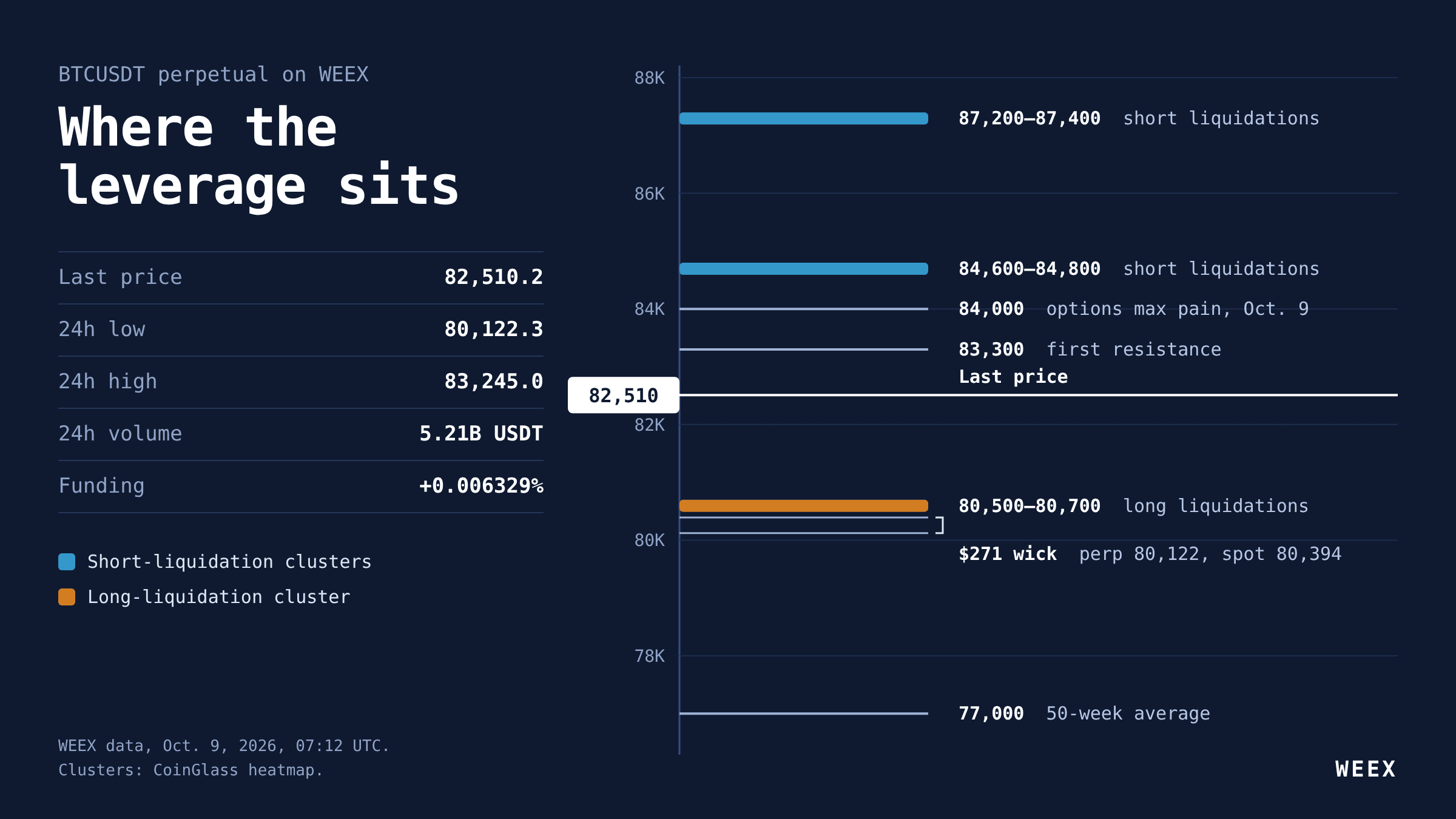
BTC Futures Analysis: $80K Held, but Longs Are Still Paying Up
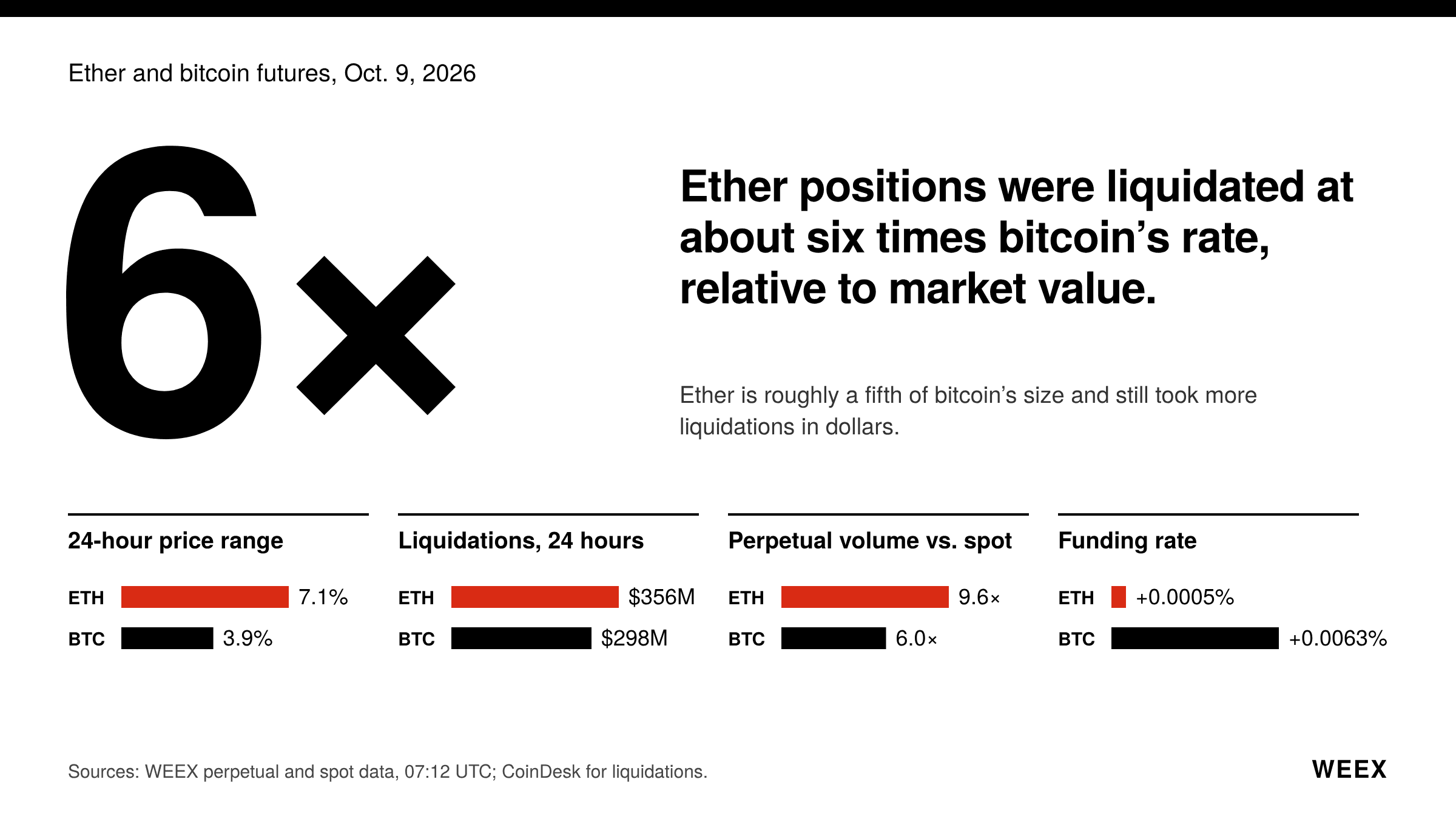
ETH Futures: Why Ether Is Falling Faster Than Bitcoin This Week
ENA Token Price Drops After October 5 Unlock: What Happened to Ethena?
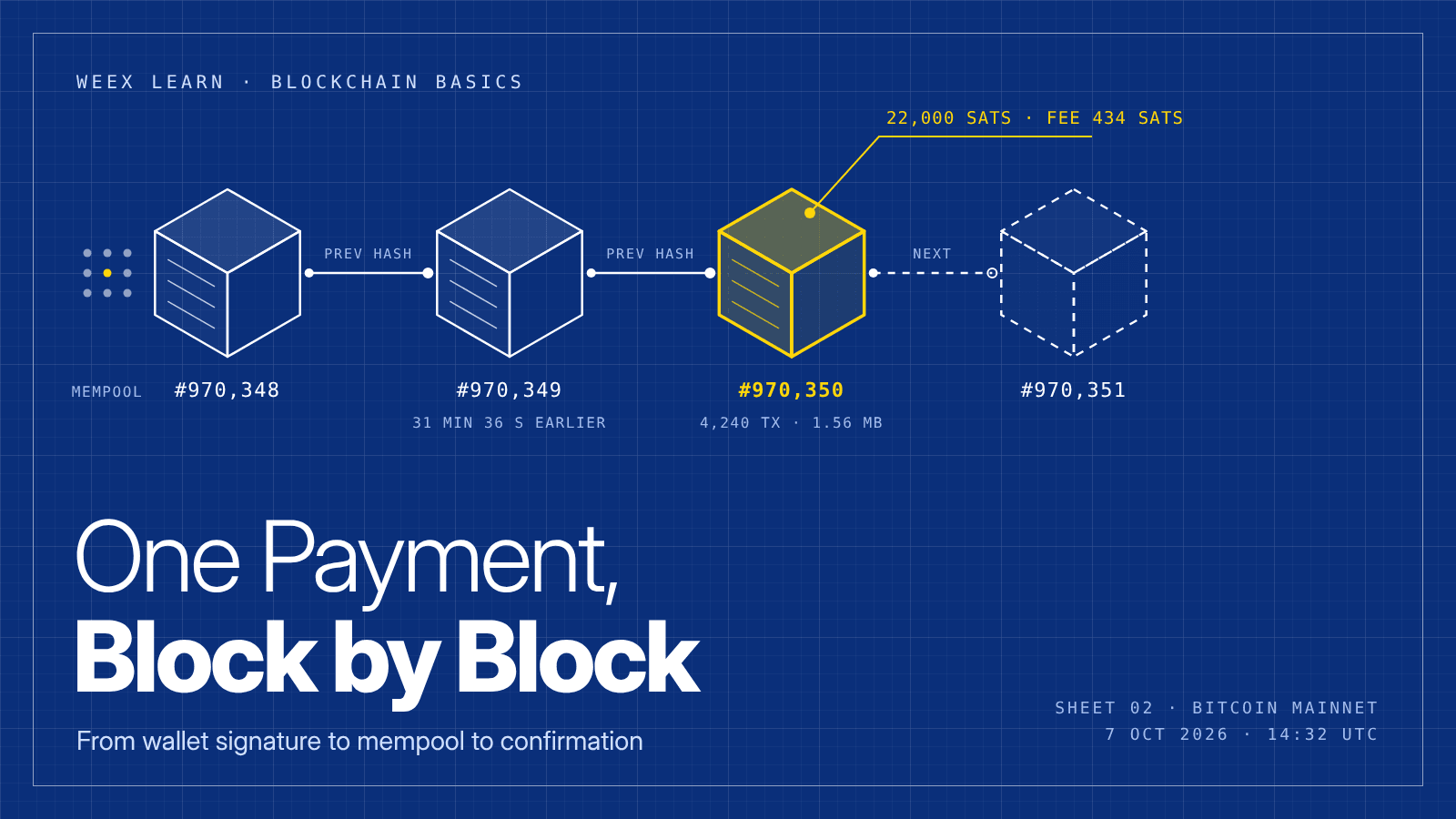
What Is Blockchain and How Does It Work? One Real Payment Traced

How to Buy Crypto With a Prepaid Card: Step-by-Step Guide
Best Crypto Trading Strategies for Beginners: What to Know Before You Trade
LayerZero Unlock October 2026: Can ZRO Hold $2 Amid Whale Inflows?
How to Buy Crypto With Apple Pay in 5 Steps: Why Your Bank May Decline the Payment

Why Does Bitcoin (BTC) Drop? How to Read a BTC Liquidation Heatmap Without Guessing the Bottom
Best Crypto Wallet App in 2026: How to Choose Between Hot, Cold, Custodial, and Web3 Wallets
What Is Blockchain and How Does It Work? One Real Block Explained
Trading Psychology for Beginners: The Math Behind Your Emotions
What Is Blockchain and How Does It Work? A Transaction Traced
WEEX Convert Fees: What Zero-Fee Conversion Really Costs You
WEEX Convert Quote: How the 8-Second Price Lock Really Works
WEEX Convert Limits: Minimum and Maximum Amounts Explained
How to Check a WEEX Convert Order: History, Rate and Status
USDC Significant EMT Status in the EU: What Changes on November 12 Under MiCA
Walrus (WAL) Jumps 30%: Sui Storage Token Rallies on AI Data
Contents
Popular coins
Latest articles


