
Crypto Coins and Tokens: What’s the Difference?

 Prefer us on Google


For those new to cryptocurrency, the terms "coin" and "token" are often used interchangeably. However, while both are digital assets, they serve distinct roles in the blockchain ecosystem. Understanding the difference between crypto coins and tokens is essential for navigating the space effectively.
What is a Crypto Coin?
A crypto coin is the native currency of its own blockchain. It operates at the base layer of the network, facilitating transactions, paying fees, and powering operations. Often referred to as Layer 1 assets, coins are fundamental to the blockchain they belong to.
Coins can function as a medium of exchange, a store of value, or be used for staking to secure the network. New coins are typically introduced through consensus mechanisms like proof-of-work (mining) or proof-of-stake (staking), where participants are rewarded for maintaining the blockchain.
Examples of crypto coins:
What is a Crypto Token?
Tokens, on the other hand, are built on top of existing blockchains. This highlights a key **difference between coins and tokens in crypto**: tokens rely on the infrastructure of established networks like Ethereum or Solana rather than having their own blockchain. They are typically created for use within decentralized applications (dApps) and serve purposes such as governance, utility, or representing assets.
Tokens are highly versatile. They can represent stablecoins pegged to fiat currencies, voting rights in decentralized organizations, or even unique digital assets like NFTs. Unlike coins, tokens are usually minted all at once via smart contracts and distributed through airdrops, token sales, or rewards.
Common types of tokens:
- Governance tokens (e.g., UNI, MKR)
- Utility tokens (e.g., LINK)
- Stablecoins (e.g., USDT, USDC)
- NFTs (non-fungible tokens)
How Tokens Are Created?
Tokens are developed using smart contracts that adhere to specific standards on their host blockchain. For example, Ethereum uses ERC-20 for fungible tokens and ERC-721 for NFTs. These standards ensure compatibility across wallets, exchanges, and dApps.
While tokens enable innovation and easier fundraising—through mechanisms like **initial coin offerings (ICOs)**—they also carry risks. The accessibility of token creation has sometimes led to scams or low-quality projects. It's important to research topics like initial coin offerings and the value of crypto tokens before participating in any launch.
Key Differences at a Glance
-- Price
| Feature | Crypto Coin | Crypto Token |
td {white-space:nowrap;border:0.5pt solid #dee0e3;font-size:10pt;font-style:normal;font-weight:normal;vertical-align:middle;word-break:normal;word-wrap:normal;}
Feature | Crypto Coin | Crypto Token |
Blockchain | Has its own | Built on an existing chain |
Primary Use | Network operations, value transfer | dApp-specific functions |
Examples | BTC, ETH, SOL | USDT, UNI, APE |
This table summarizes what's the difference between crypto coins and tokens in a simple format.
Conclusion
So, what is the difference between crypto coins and tokens**? Coins form the foundational layer of blockchain networks, while tokens expand functionality within those ecosystems. Recognizing the difference between tokens and coins crypto projects utilized can help investors and users make more informed decisions. Whether you're trading, investing, or building on web3, understanding these distinctions is crucial.
Continue learning, stay curious, and always verify project fundamentals before getting involved. For deeper insights, resources like initial coin offerings and the value of crypto tokens PDF guides can provide additional clarity.
Further Reading
- What Causes Crypto Market Volatility and How to Mitigate Risk?
- Why Diversification Is Important and How to Build the Best Crypto Portfolio?
- What Is Cryptocurrency and How Does It Work?
Disclaimer: The opinions expressed in this article are for informational purposes only. This article does not constitute an endorsement of any of the products and services discussed or investment, financial, or trading advice. Qualified professionals should be consulted prior to making financial decisions.
This content is provided for general informational purposes only and doesn't constitute financial, investment, legal, or tax advice. Any events, rewards, online promotions, or related information mentioned herein should not be considered a recommendation, solicitation, or invitation to purchase, sell, trade, or otherwise deal in any crypto assets. Crypto assets are highly volatile and may result in loss. The availability of WEEX services, products, and related events may vary by region. You are responsible for ensuring that your participation is in accordance with applicable local laws and regulations.
You may also like
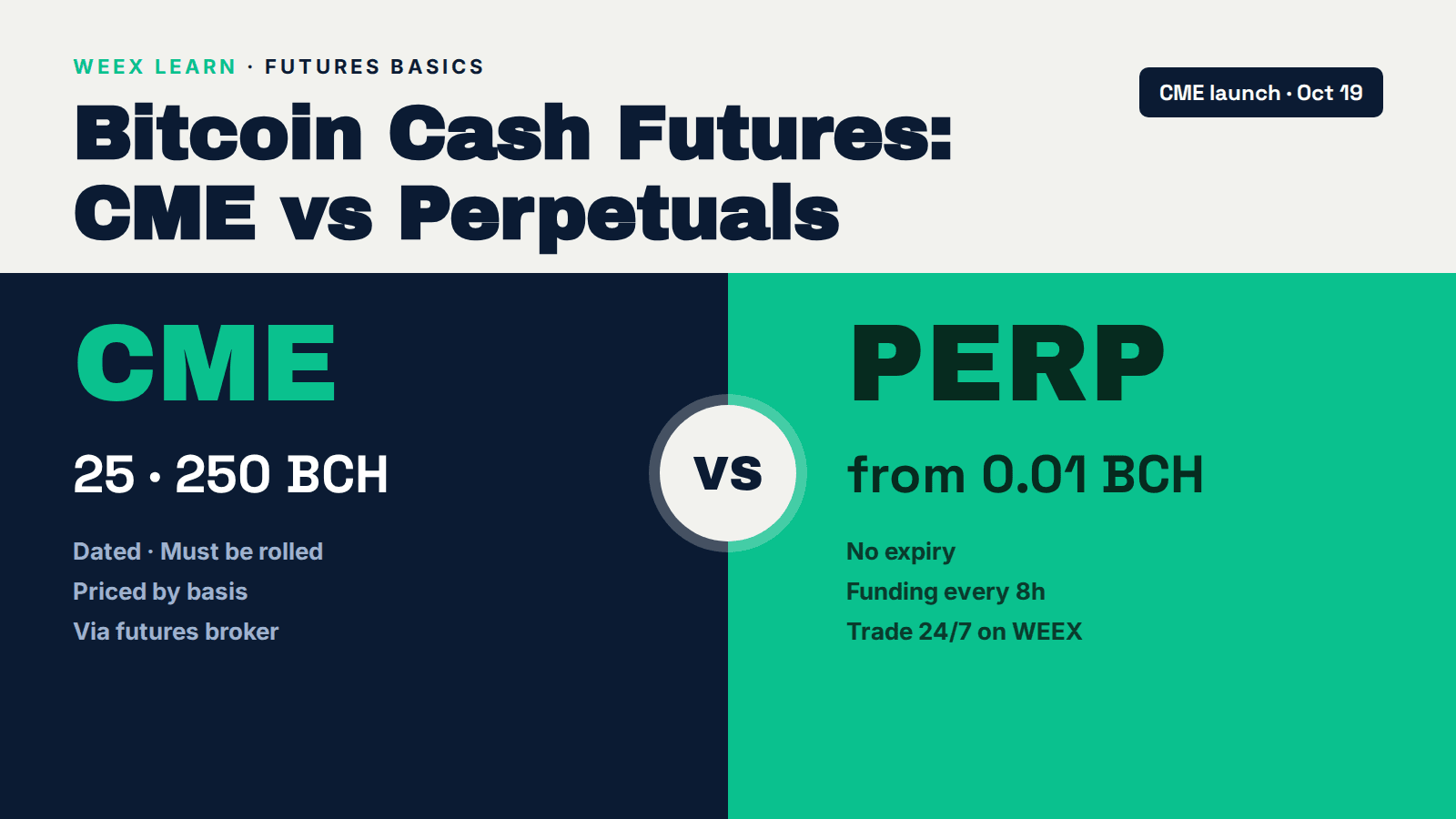
Bitcoin Cash Futures: CME Contracts vs Perpetuals Explained

New Zealand Crypto Tax 2025: A Complete Guide

What Is Minswap (MIN)? A Complete Guide
Cardano (ADA) Price Prediction: It's the Right Time to Buy Cardano (ADA)?
Cardano (ADA) Price Prediction for October 2025: Can $ADA Hit $1?
ADA Price Prediction: Where Could ADA Be by 2025, 2026 and 2030?

How To Make Money in Crypto As A Beginner In 2025?
Flying Tesla Roadster (FTR) Coin: What Is It and What to Check Before Trading a Roadster Memecoin

Tesla Roadster Performance, Thrust and Rocket Trims: Specs, Price and 2028 Production
Cyberleek Token Risks: Memecoins Tied to Leaks, Anonymous Wallets and Why Verification Matters

Staking APR vs Inflation: How Much of Your Crypto Yield Is Real?
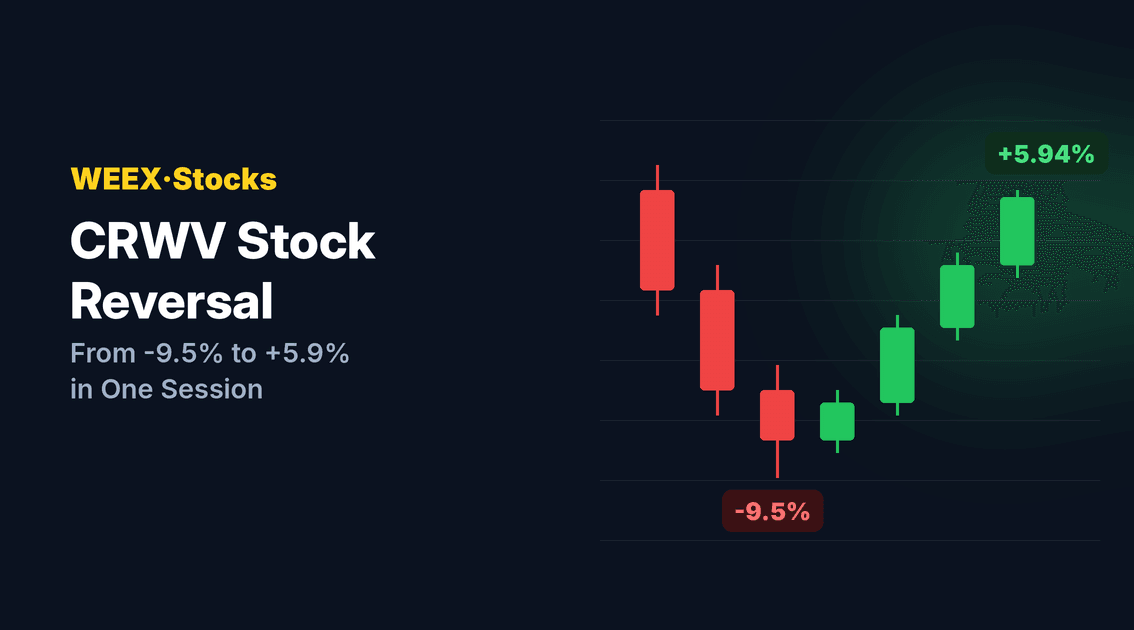
CRWV Stock Swings From -9.5% to +5.9%: Why CoreWeave Reversed
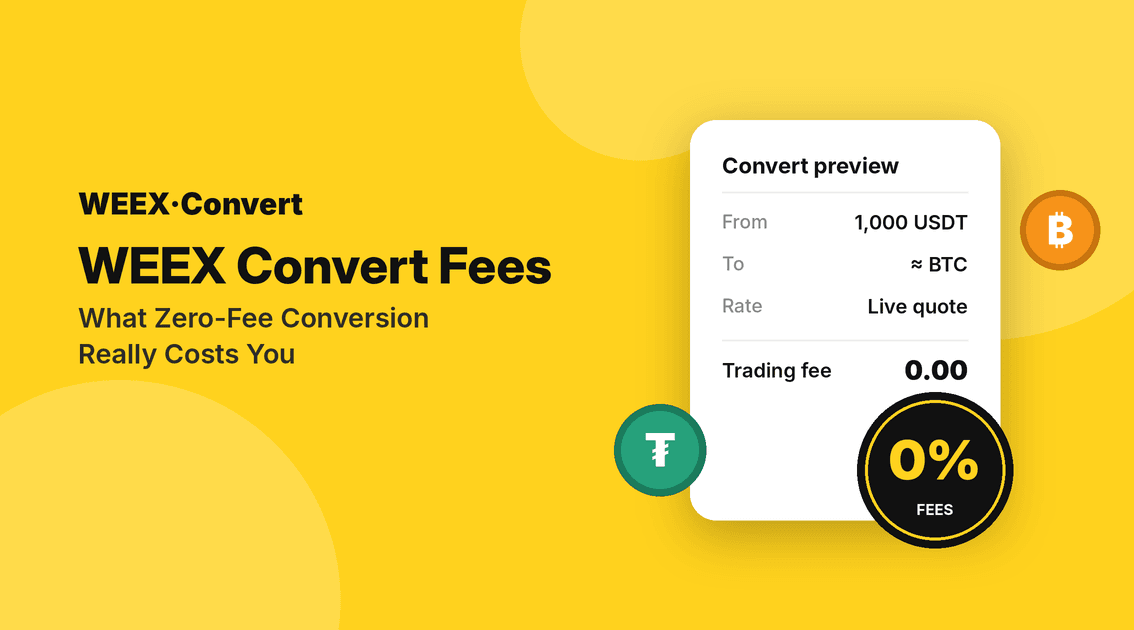
WEEX Convert Fees: What Zero-Fee Conversion Really Costs You
Starknet Independent L1 Vote: What It Really Means for STRK

WEEX Convert Quote: How the 8-Second Price Lock Really Works
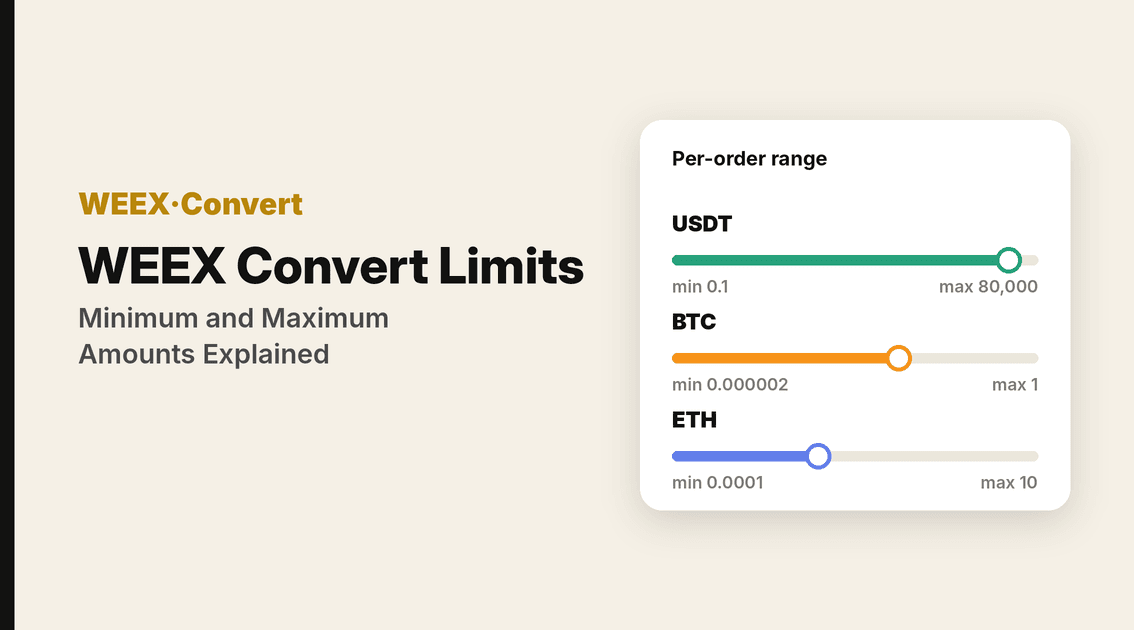
WEEX Convert Limits: Minimum and Maximum Amounts Explained
How to Check a WEEX Convert Order: History, Rate and Status

What Is Walrus Coin (WAL)? Why It Is Rising and What Is Still Unconfirmed
PYTH USDT After the 100% Rule: Buyback Mechanics, Overbought Signals and Risks Before Trading
USDC Significant EMT Status in the EU: What Changes on November 12 Under MiCA
APR vs APY in Crypto: Why the Bigger Number Can Mislead You
Walrus (WAL) Jumps 30%: Sui Storage Token Rallies on AI Data
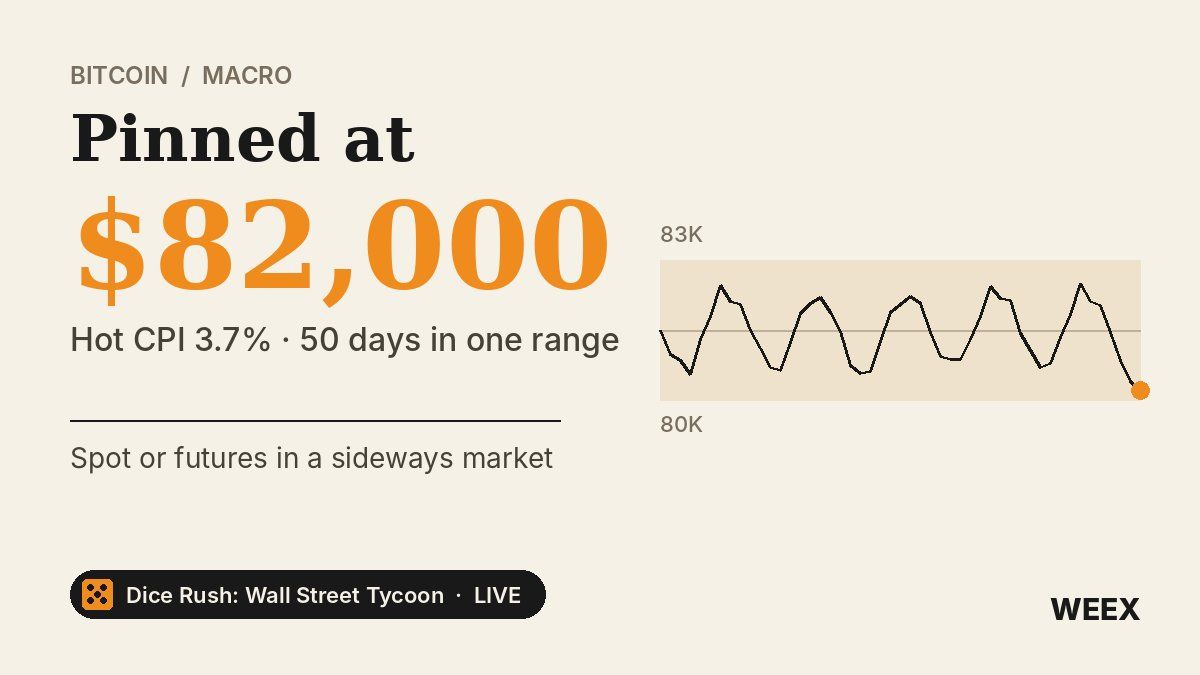
Bitcoin Price After Hot CPI: Why BTC Is Pinned Near $82,000
Sandisk Stock After a 524% Run: Why SNDK Keeps Sliding Now
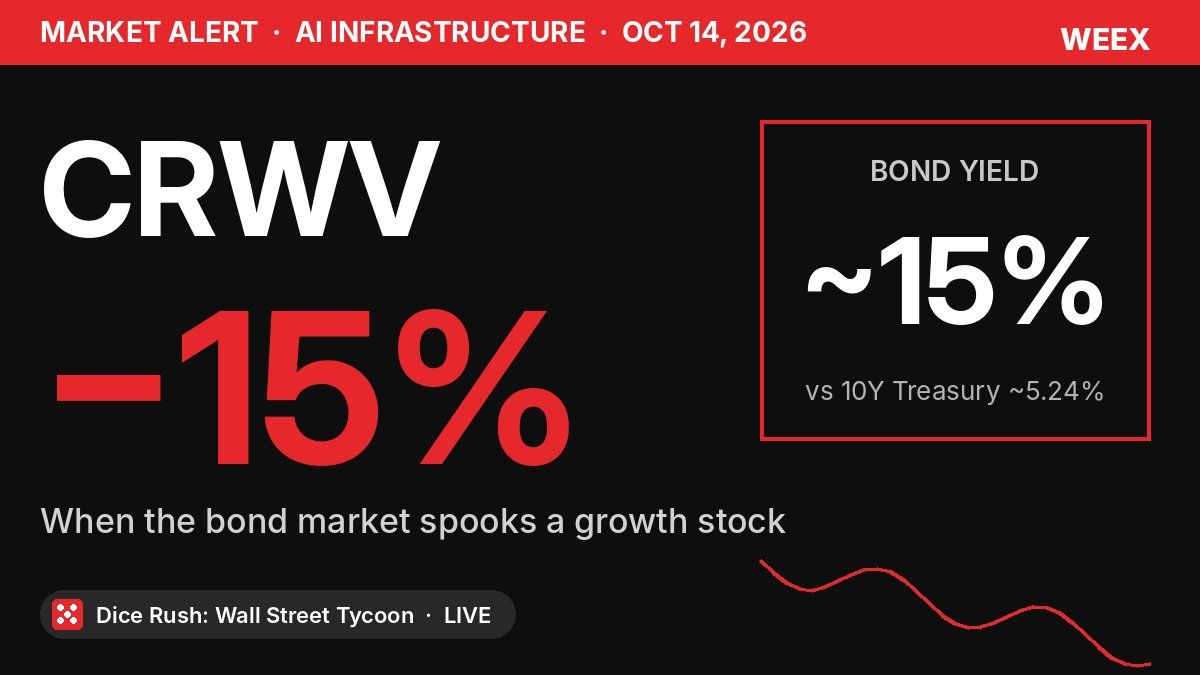
CoreWeave Stock Plunges 15%: Why a Bond Yield Spooked CRWV
PENDLE Price and FLHYon: What Franklin's Bond Token Changes
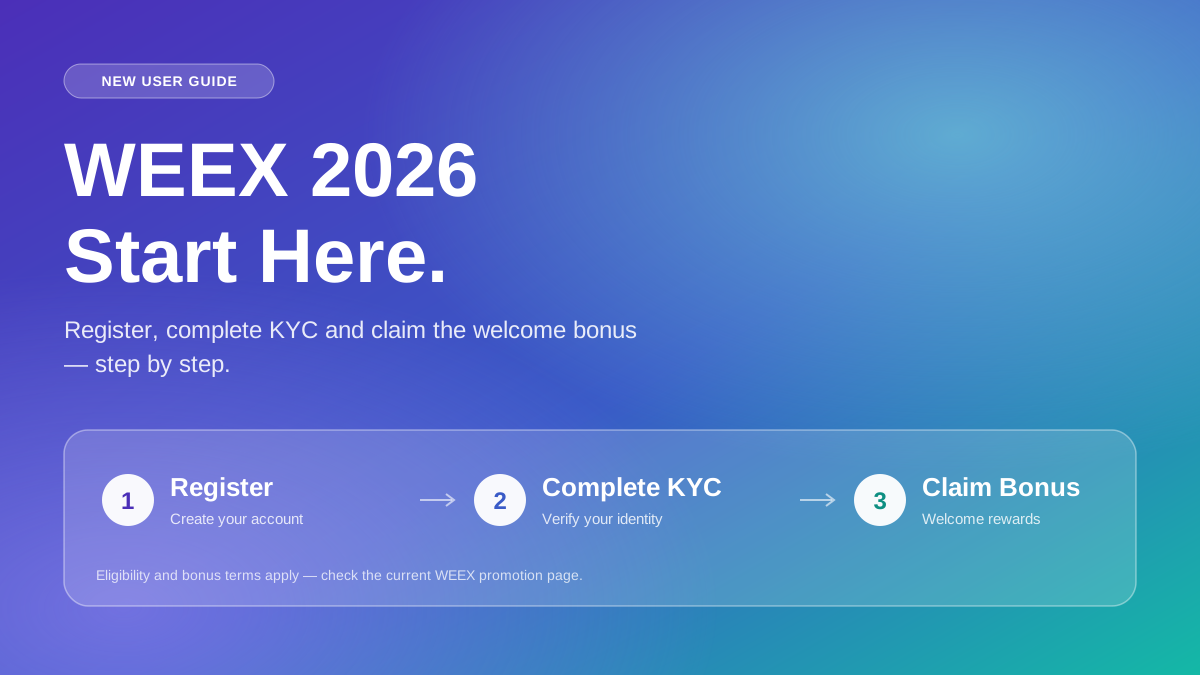
WEEX 2026 New User Guide: Register, Complete KYC, and Claim the Welcome Bonus (Step-by-Step)
WEEX Convert Guide: How to Swap Crypto on Web and App and What the Quote Really Means
ASML Stock Falls Despite a Record Q3 and Higher Outlook: Is the AI Chip Equipment Boom Already Priced In?
SKHY Stock Falls Again: Is the SK Hynix Selloff About China’s CXMT and YMTC or AI Profit-Taking?
Bitcoin Cash Futures: CME Contracts vs Perpetuals Explained
New Zealand Crypto Tax 2025: A Complete Guide
What Is Minswap (MIN)? A Complete Guide
Cardano (ADA) Price Prediction: It's the Right Time to Buy Cardano (ADA)?
Cardano (ADA) Price Prediction for October 2025: Can $ADA Hit $1?
ADA Price Prediction: Where Could ADA Be by 2025, 2026 and 2030?
Contents
Popular coins
Latest articles


